Tesla Secures First Emissions Credits Down Under as Battery Storage Outshines Electric Vehicles in Revenue
Tesla Secures First Emissions Credits Down Under as Battery Storage Outshines Electric Vehicles in Revenue
Tesla has pocketed its first emissions credits in Australia, marking a significant milestone for the company's energy business, even as battery storage revenues continue to outpace its electric vehicle (EV) operations in the region.
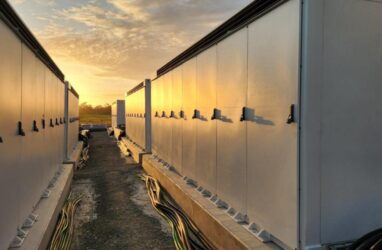
The credits, generated by Tesla's large-scale battery installations, are sold to legacy automakers struggling to meet Australia's tightening emissions targets. This move underscores the growing financial clout of Tesla's stationary storage arm relative to its core EV manufacturing.
“Tesla’s energy storage business is not just an auxiliary unit anymore; it’s becoming a primary profit center, especially in markets like Australia where the grid needs massive balancing capacity,” said Dr. Fiona Murray, an energy market analyst at the Australian Institute of Energy.
Background
Australia's stringent emissions regulations require automakers to reduce fleet-average carbon outputs. Legacy car manufacturers that fall short purchase emissions credits from companies like Tesla, which generate surplus credits through their zero-emission operations.
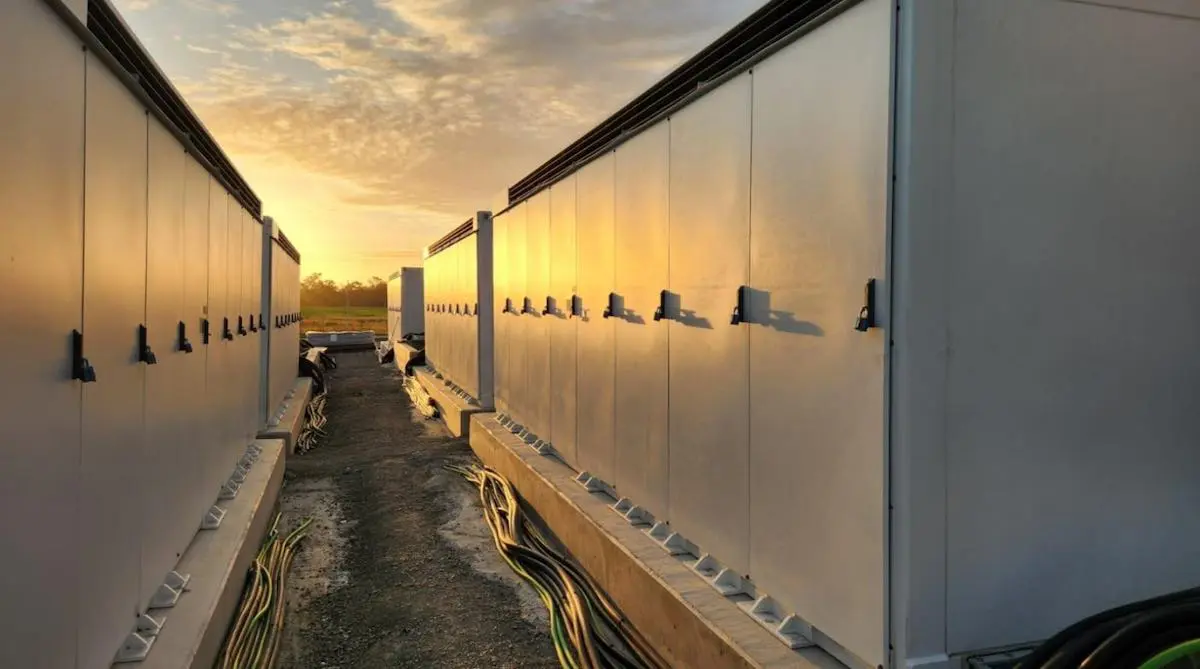
Tesla’s battery storage installations, including the Hornsdale Power Reserve and other utility-scale projects, have been instrumental in stabilizing the grid and generating consistent revenue. In contrast, Tesla’s EV sales in Australia, while growing, have not matched the profitability of its storage deployments.
What This Means
This development signals a strategic shift for Tesla: its energy division is now a formidable revenue driver, potentially influencing future investment priorities. For Australia, it highlights the increasing role of storage in decarbonizing the grid and helping legacy automakers transition.
Industry observers expect other renewable energy companies to follow suit, creating a new market for emissions credits tied to storage. However, the long-term viability depends on policy stability and grid integration.
“This is a watershed moment. Tesla is showing that storage can be as lucrative, if not more so, than selling cars—and that changes the calculus for energy investors worldwide,” added Dr. Murray.
With the first credits now in hand, Tesla is poised to expand its storage footprint, further cementing its role as a dual energy-automotive powerhouse in Australia.
Related Articles
- Trump-Xi Energy Deal as ‘Supercharged’ El Niño Risks Global Fire Disasters
- Japan's Motorcycle Titans Accelerate Electric Strategy: Honda, Yamaha Lead Charge
- Harnessing Wind at Sea: Why Philippines Must First Strengthen Its Ports
- Tesla's Unsupervised Robotaxi Fleet: Slow but Steady Expansion in Texas
- How to Assess Tesla's Ambitious Humanoid Robot Sales Target
- Unlocking AI-Assisted Flutter Development: A Practical Guide to Dart & Flutter Skills
- How to Build a Mega Solar Farm: A Step-by-Step Guide from Panel Installation to Commissioning
- BYD's Song Ultra EV Shatters Records: 60,000 Orders in First Month, 5-Minute Flash Charging