Bumble Embraces AI: The End of the Swipe as We Know It
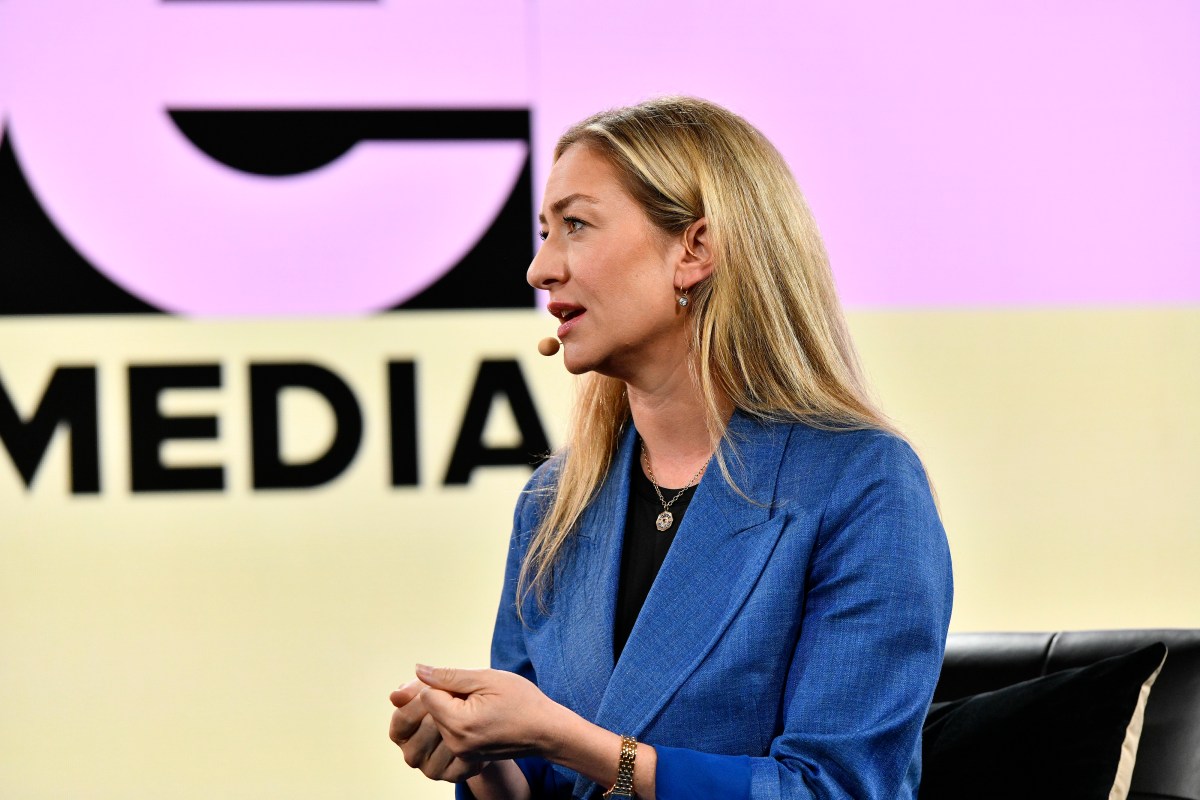
In a bold move that signals a new era for online dating, Bumble is preparing to retire its iconic swiping mechanism, according to CEO Whitney Wolfe Herd. The shift aligns with the company's deepening investment in artificial intelligence, which Wolfe Herd believes will revolutionize how people connect romantically. As Bumble pivots from swipe-based matching to AI-driven recommendations, the dating world may soon look radically different.
The Swiping Era's Sunset
For over a decade, swiping has been the dominant gesture in mobile dating apps. Tinder popularized it, and Bumble adopted it with its women-first approach. But according to Wolfe Herd, the swipe is becoming outdated. The swipe is a relic,
she stated in a recent interview, hinting that Bumble's future lies beyond this binary yes-no mechanism. The company aims to replace it with a more nuanced system powered by artificial intelligence—one that can understand user preferences, behavior, and even emotional cues.
Bumble's decision to move away from swiping is not entirely surprising. The dating industry has long criticized swiping for fostering superficial judgments and decision fatigue. Studies show that endless swiping leads to lower satisfaction and higher burnout rates. By eliminating the swipe, Bumble hopes to create a more intentional dating experience where quality trumps quantity.
CEO Whitney Wolfe Herd's Vision
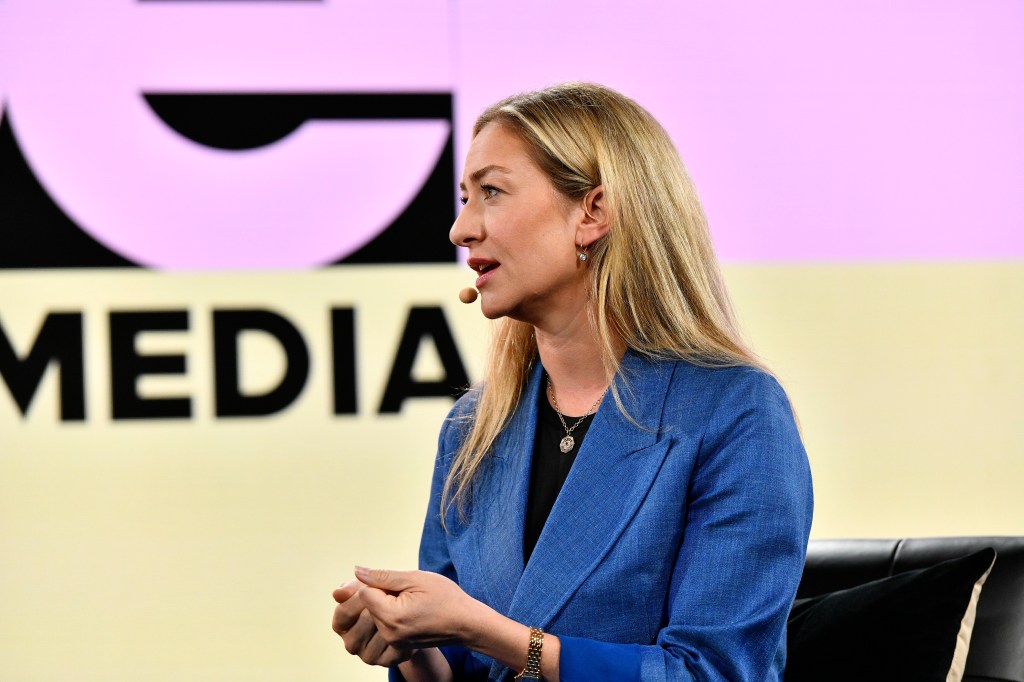
Whitney Wolfe Herd has been vocal about her ambitions for AI in dating. Over the past years, she has repeatedly described AI as a supercharger for love and relationships. In her view, AI can analyze vast amounts of data—conversation styles, interests, and even tone of voice—to suggest more compatible matches. We're moving from a world where you swipe on a photo to a world where AI understands who you really are,
she explained at a tech conference.
Wolfe Herd's vision extends beyond matching. She envisions an AI that coaches users on how to write better messages, suggests icebreakers, and even flags potentially toxic conversations. This holistic approach aims to build deeper connections while reducing the stress and frustration often associated with online dating.
AI as the Supercharger for Love
The concept of AI enhancing love might sound like science fiction, but Bumble is putting real engineering behind it. The company has invested heavily in machine learning models that go beyond surface-level compatibility. Instead of asking users to fill lengthy questionnaires, Bumble's AI will learn from their interactions over time. It will track which conversations lead to dates, which topics cause ghosting, and even what time of day people are most likely to respond.
This technology is designed to optimize the dating journey from initial connection to meaningful relationship. For instance, if the AI detects that a user frequently unmatched individuals who use emojis, it will deprioritize profiles with excessive emojis. Similarly, it can identify dealbreakers early and filter them out, saving users hours of frustrating conversations.
Furthermore, AI could help mitigate safety concerns. Bumble already has strong safety features like photo verification and block lists. With AI, the app could analyze language patterns to warn users about catfishing, harassment, or even inappropriate behavior before a conversation escalates. This proactive approach aligns with Bumble's longstanding commitment to women's safety.
Introducing Bee: Bumble's AI Dating Assistant
One of the most anticipated features in Bumble's AI arsenal is Bee, an AI-powered dating assistant. Bee is more than a chatbot—it's a personalized companion that helps users navigate the dating landscape. According to leaked details and Wolfe Herd's remarks, Bee can:
- Profile optimization: Suggest improvements to bio text and photo selection to attract more compatible matches.
- Conversation starters: Generate tailored opening lines based on a potential match's interests and previous conversations.
- Date planning: Recommend date ideas based on shared preferences and location, even booking reservations.
- Post-date reflections: Analyze the date's conversation and provide feedback on what went well or how to improve.
Bee is designed to be an empathetic assistant, not a replacement for human interaction. Wolfe Herd stressed that AI should enhance, not replace, the authentic human experience of falling in love.
The assistant learns from each user's unique style and adapts over time, becoming more attuned to their needs. Early testers report that Bee feels less intrusive than expected, often providing advice that feels natural and unobtrusive.
The rollout of Bee is expected to happen gradually, starting with a beta version in select markets. Bumble has not disclosed an exact timeline, but industry insiders predict a full launch within the next 12 months. Alongside Bee, the company is also developing AI models to curate daily matches based on emotional compatibility rather than just physical attraction.
A Brave New World for Dating
Bumble's transformation from a swipe-based app to an AI-powered matchmaker is a gamble. After all, the swipe is a deeply ingrained habit that millions of users enjoy. However, Wolfe Herd is betting that the promise of better, more meaningful connections will win over skeptics. Early data suggests that users who engage with AI features spend more time on the app and report higher satisfaction rates.
Critics worry about privacy and the creep factor
of an AI analyzing personal conversations. Bumble has assured users that all data is encrypted and used only within the app. The company also plans to offer opt-out options for those who prefer a more traditional swiping experience—at least for now.
As the dating industry evolves, Bumble's bold move may set a new standard. The question remains: Will AI truly become a supercharger for love, or will it turn dating into an algorithm-driven chore? Only time—and millions of swipes left behind—will tell.
This article was last updated on [Date]. Follow our Tech & Dating Trends section for more insights.
Related Articles
- Exploring In a first, a ransomware family is confirmed to be quantum-safe
- Swift 6.3: Cross-Platform Breakthroughs and Community Innovations – March 2026 Update
- Mastering Capacitor Live Updates: Your Essential Q&A Guide
- Google Expands Cross-Platform File Sharing: AirDrop Support Comes to More Android Phones via Quick Share
- Fwupd 2.1.3 Explained: Modular Smartphones and the Future of Firmware Updates
- Rapido's $240 Million Funding Round: Key Questions Answered
- How to Transform Your Steam Controller into a Handheld Gaming Powerhouse with the Basegrip Accessory
- Perplexity's Mac-First 'Personal Computer' Platform: Your Top Questions Answered