Lunar Diggers: Electric Excavators Set to Build on the Moon
Two innovative startups, Astroport Space Technologies and Astrolab, have taken a giant leap toward off-world construction by successfully testing the UTIPA Excavator—a fully electric machine designed to autonomously build structures on the lunar surface. This breakthrough moves us closer to a permanent human presence on the Moon, where construction will rely on local materials and robotic precision. Below, we answer common questions about this exciting development.
What exactly is the UTIPA Excavator?
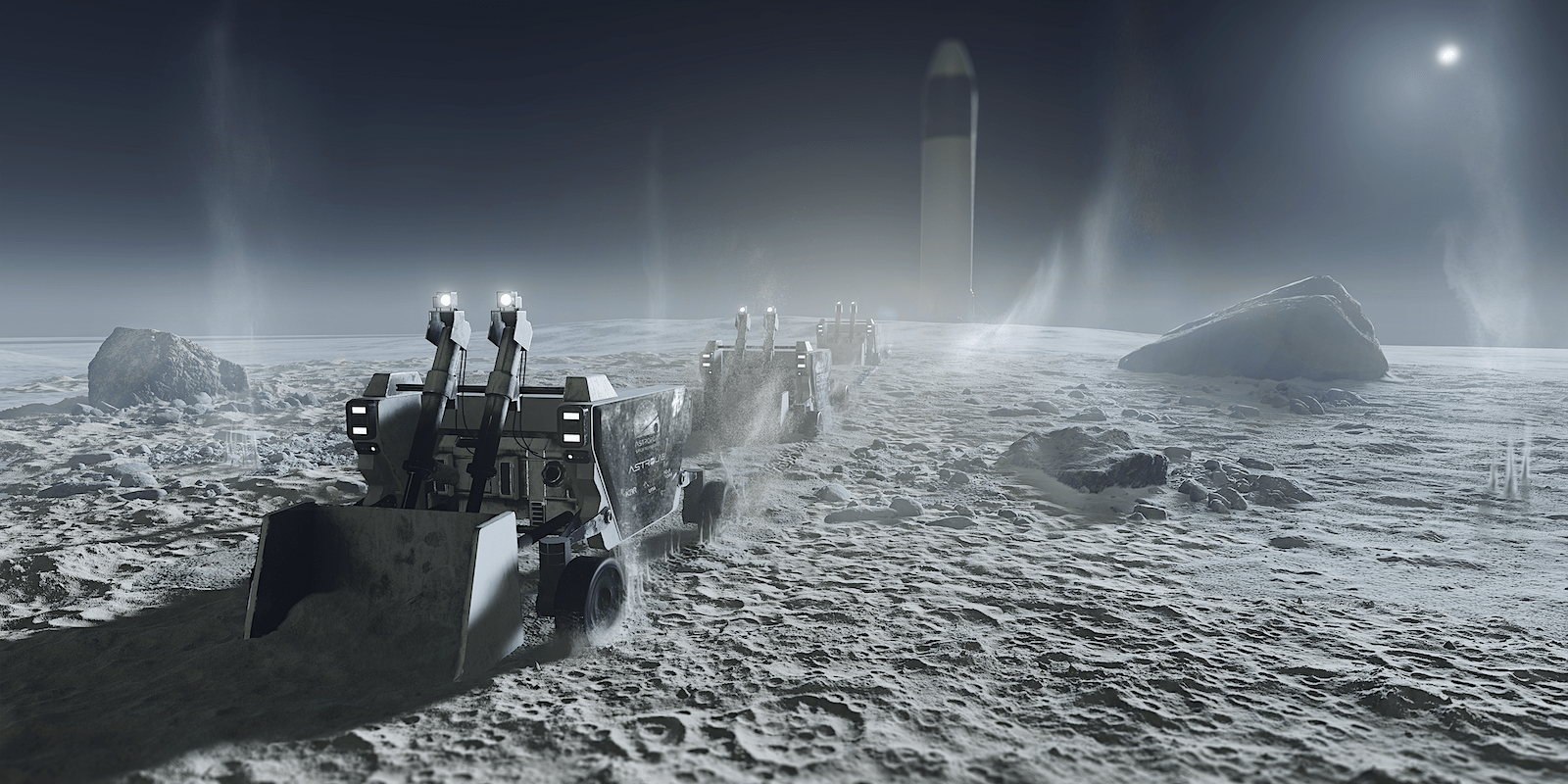
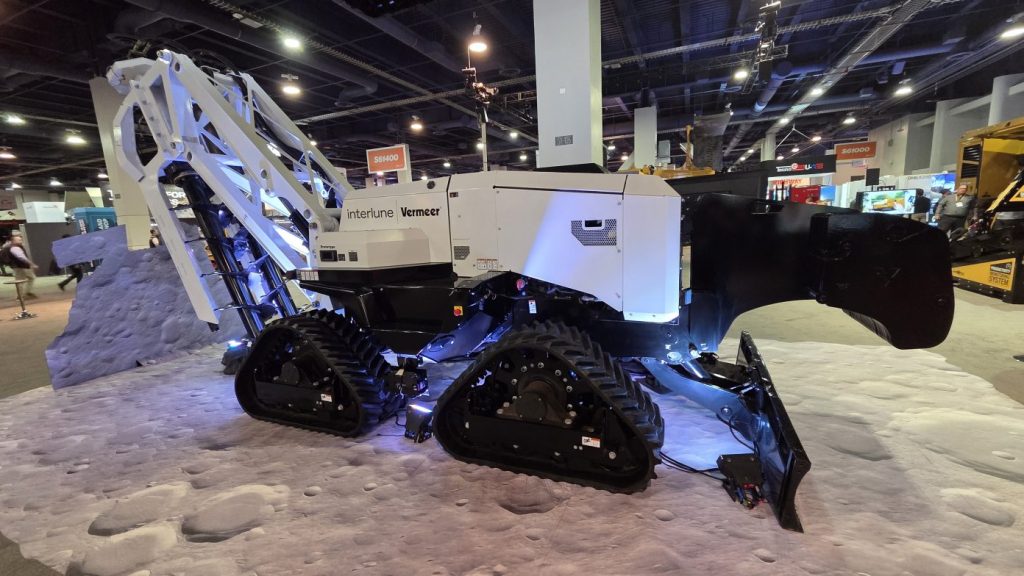
The UTIPA Excavator is an all-electric, autonomous digging machine developed jointly by Astroport Space Technologies and Astrolab. Its name stands for Universal Terrain Interface for Planetary Autonomous operations, reflecting its purpose: to handle lunar regolith—the loose soil and rock covering the Moon—and use it to build structures. Unlike traditional excavators, UTIPA runs on battery power and is designed to operate in the Moon's harsh environment, including extreme temperature swings, low gravity, and abrasive dust. The machine can excavate, transport, and compact regolith into building blocks or even 3D-print habitats directly. By being electric, it avoids the need for combustion engines that would require oxygen, making it ideal for the vacuum of space.
Why do we need electric excavators on the Moon?
Building a sustainable lunar base requires moving vast amounts of lunar soil, or regolith, to create landing pads, roads, and protective berms. Transporting construction equipment from Earth is incredibly expensive—every kilogram costs thousands of dollars. Using electric excavators like UTIPA that can run on solar power and work autonomously reduces the need for human crews and Earth-supplied fuel. Electric motors are also more reliable in the Moon's environment because they have fewer moving parts and don't rely on air intake. Moreover, lunar nights last two weeks, so the excavator must be energy-efficient and capable of storing power. By going electric, UTIPA aligns with NASA's goal of in-situ resource utilization (ISRU), using local materials to build infrastructure rather than hauling everything from Earth.
Which companies are behind this project?
The UTIPA Excavator is a collaboration between Astroport Space Technologies and Astrolab. Astroport Space Technologies, based in Texas, specializes in autonomous construction and robotic solutions for space habitats. They focus on using regolith to create landing pads and radiation shielding. Astrolab, known for its work on lunar rovers (like the FLEX rover), brings expertise in mobility and surface operations. Together, they combine excavation know-how with planetary mobility. Their first real-world demonstration took place in a simulated lunar environment on Earth, where UTIPA successfully dug, scooped, and moved regolith simulant—proving the core technology works before heading to the Moon.
What did the recent demonstration involve?
In early 2025, Astroport and Astrolab conducted a live test of the UTIPA Excavator at a facility designed to mimic lunar conditions. The machine operated autonomously, scooping up tons of a regolith simulant (a volcanic ash-like material that mimics Moon soil). It then transported the material to a designated area and compacted it—simulating the process of building a landing pad. The test validated key systems: navigation, digging force, battery endurance, and dust tolerance. The team reported that the excavator exceeded expectations in terms of efficiency and precision. This success clears the way for a flight-ready version, with a potential launch as early as 2026, as hinted by the update: "Oh, we're really doing this."
How does autonomous construction work on the Moon?
Autonomous construction on the Moon relies on robots that can perform tasks without real-time human control due to the three-second communication delay. The UTIPA Excavator uses onboard sensors, cameras, and AI to map its surroundings, plan digging paths, and avoid obstacles. It can be pre-programmed with construction blueprints—for example, a hexagonal landing pad. Once deployed, it works in phases: first, a surveying phase to create a digital terrain model; second, excavation to level the area; third, material transport and compaction. The machine can also communicate with other robots, like Astrolab's FLEX rover, to coordinate tasks. All operations are powered by solar-charged batteries. The goal is to create a fully robotic construction crew that humans can oversee from Earth or an orbiting station.
Why is this important for space exploration?
Building infrastructure on the Moon is a critical step for long-term space exploration. Landing pads reduce dangerous dust plumes that can damage spacecraft. Roads and shelters protect astronauts and equipment from radiation and micrometeorites. By proving that electric excavators can autonomously build such structures, Astroport and Astrolab are paving the way for sustainable lunar bases. This technology directly supports NASA's Artemis program, which aims to establish a permanent human presence on the Moon. Moreover, the same excavation techniques could be adapted for Mars or asteroids. The UTIPA Excavator isn't just a machine; it's a glimpse into a future where robots build our outposts among the stars.
Related Articles
- NISAR Satellite Reveals Ground Sinking Crisis in Mexico City
- Decoding the Learning Dynamics of Word2vec: A Mathematical Perspective
- Shocking Coffee: How Electrical Currents Could Revolutionize Your Morning Brew
- Satellite Analysis of Cyclone-Induced Landslides: A Case Study of Papua New Guinea
- New X-ray Method Unveils Secrets of Vitamin B12 in Dilute Solutions
- How to Understand and Appreciate the Pink Floyd Spider: A Guide to the Tiny Predator of Urban Walls
- Bridging the Gap: A Step-by-Step Guide to Combining Low-Code and Full-Code Platforms for Enterprise AI
- Mathematician Declares Infinity a Myth: Universe Runs on Finite Code