Could a Common Laxative Be the Key to Protecting Your Kidneys?
A surprising discovery has emerged from a clinical trial: a medication typically used for constipation may hold the power to slow the progression of chronic kidney disease (CKD). CKD affects millions worldwide and often leads to dialysis. Researchers studied 150 patients with moderate CKD and found that lubiprostone, a drug commonly prescribed for constipation, helped preserve kidney function. How? By altering gut bacteria to boost levels of spermidine, a compound that supports healthier mitochondria and reduces kidney damage. This article answers key questions about this breakthrough.
What is lubiprostone and why was it linked to kidney health?
Lubiprostone is a medication originally approved to treat chronic constipation and irritable bowel syndrome with constipation. It works by increasing fluid secretion in the intestines, making stool easier to pass. In a recent clinical trial, researchers tested its effects on patients with moderate chronic kidney disease (CKD). Unexpectedly, lubiprostone not only improved bowel function but also helped preserve kidney function. Scientists discovered that the drug alters the composition of gut bacteria, leading to increased production of spermidine. Spermidine is a natural compound known to enhance mitochondrial health and reduce oxidative stress, which can protect kidney cells from damage. This link between a gut-targeted drug and kidney protection opens new avenues for treating CKD.
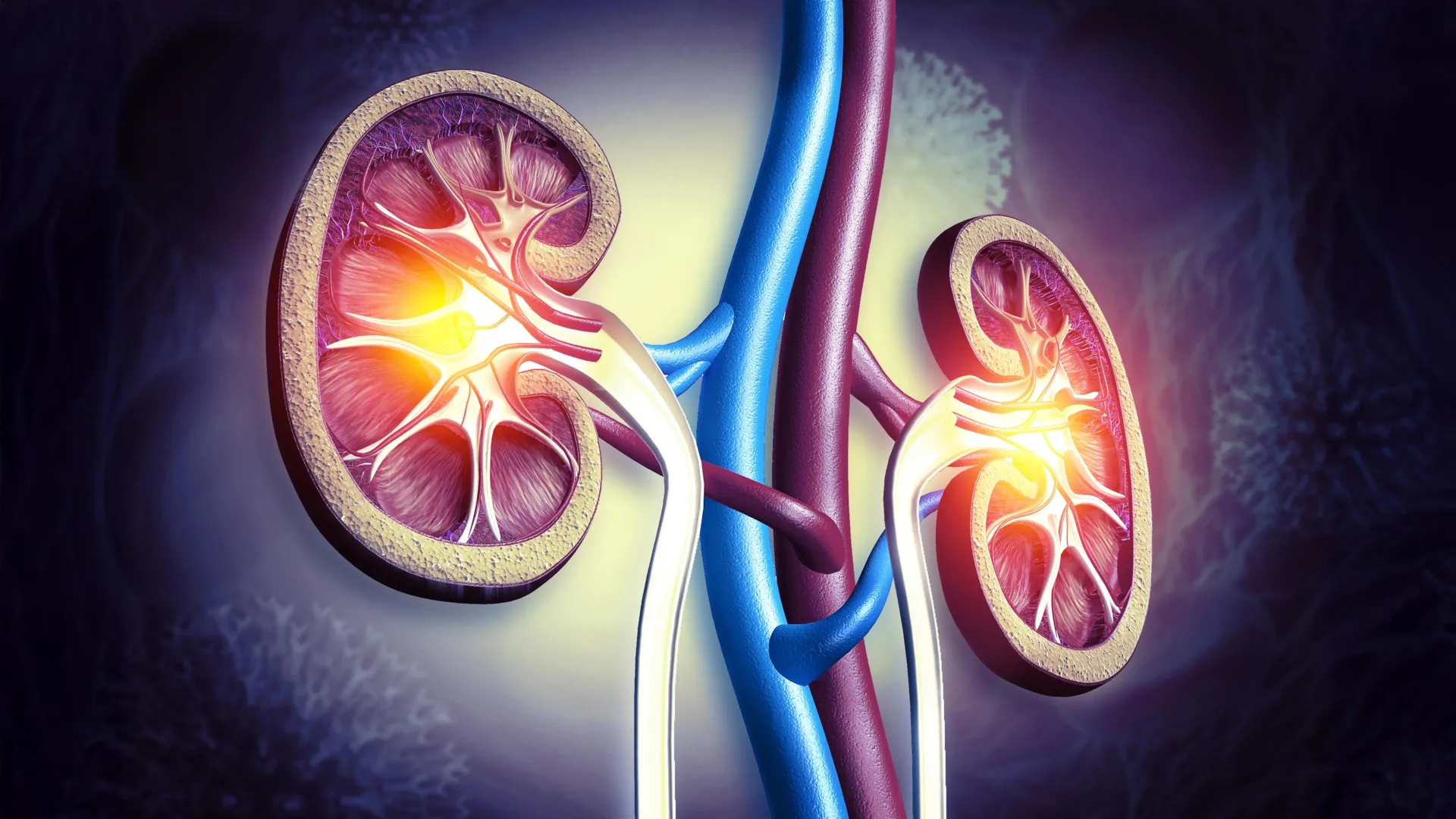
How was the study conducted and what were the key results?
The study was a clinical trial involving 150 participants with moderate chronic kidney disease. Patients were randomly assigned to receive either lubiprostone or a placebo over a period of several months. Researchers measured kidney function using estimated glomerular filtration rate (eGFR) and other biomarkers. The results showed that those taking lubiprostone experienced a slower decline in eGFR compared to the placebo group, indicating better preservation of kidney function. Additionally, analysis of stool samples revealed significant changes in the gut microbiome of lubiprostone users, with an increase in bacteria that produce spermidine. Blood levels of spermidine also rose, correlating with improved markers of mitochondrial health and reduced kidney inflammation.
What role does spermidine play in kidney protection?
Spermidine is a natural polyamine compound found in foods like aged cheese, mushrooms, and soy products. It is known to promote autophagy—a cellular cleaning process that removes damaged components—and to improve mitochondrial function. In the context of kidney disease, spermidine helps reduce oxidative stress and inflammation, both of which contribute to CKD progression. The study found that lubiprostone-induced changes in gut bacteria led to higher spermidine production in the intestines, which then entered the bloodstream. Higher spermidine levels were associated with healthier mitochondria in kidney cells, less fibrosis, and better overall kidney function. This suggests that boosting spermidine through gut modulation could be a novel strategy to slow CKD.
How exactly does lubiprostone alter gut bacteria to produce more spermidine?
Lubiprostone works by activating chloride channels in the intestinal lining, which increases fluid secretion and alters the local environment. This change in the gut lumen appears to favor the growth of specific bacteria that are capable of producing spermidine. The exact mechanism is still under investigation, but researchers believe that lubiprostone creates a more favorable pH and nutrient balance for these beneficial microbes. In the trial, stool analysis showed an increase in bacteria such as Lactobacillus and Bifidobacterium, which are known to produce polyamines like spermidine. The drug does not directly add spermidine; instead, it shifts the microbiome ecosystem toward higher spermidine output.
What are the implications for people with chronic kidney disease?
This discovery offers hope for the millions of people with CKD who currently have limited treatment options. If lubiprostone—a safe, inexpensive, and widely available drug—can slow disease progression, it could reduce the need for dialysis or kidney transplants. However, more research is needed. The study was relatively small (150 patients), and longer-term trials with larger populations are necessary to confirm efficacy and safety. Additionally, researchers are exploring whether other constipation drugs or dietary interventions could produce similar effects. For now, patients should not take lubiprostone for kidney disease without medical supervision, as it is not yet approved for this use. Nonetheless, the findings highlight the powerful connection between gut health and kidney function, paving the way for future microbiome-based therapies.
Are there any side effects of using lubiprostone for CKD?
Lubiprostone is generally well-tolerated, but as with any medication, it can cause side effects. The most common ones are gastrointestinal, including nausea, diarrhea, abdominal pain, and bloating. In the CKD trial, these side effects were reported but were mostly mild and temporary. The study did not find serious adverse effects specifically related to kidney function. However, because CKD patients often take multiple medications, drug interactions must be considered. For example, lubiprostone may affect the absorption of other oral drugs. Researchers emphasize that anyone with CKD should only use lubiprostone under a doctor's guidance. The trial's encouraging results suggest that the benefits may outweigh risks for many patients, but further studies are needed to establish safety guidelines for long-term use.
What does this mean for future treatment of kidney disease?
This study opens a new frontier in kidney disease therapy: targeting the gut microbiome. Traditionally, CKD treatments focus on blood pressure control, blood sugar management, and dietary restrictions. Lubiprostone's success suggests that modifying gut bacteria could be a powerful complementary approach. Future research may investigate other prebiotics, probiotics, or drugs that specifically boost spermidine. Additionally, scientists are exploring whether spermidine supplements could mimic the effect without changing the microbiome. But for now, the biggest takeaway is that a common, low-cost constipation drug may have a hidden benefit for kidney health. Larger trials are already being planned to confirm these findings and to explore optimal dosing.
How can patients with CKD safely explore this option?
Patients should not attempt to self-treat with lubiprostone for kidney disease. The drug is currently FDA-approved only for constipation and IBS-C. Using it off-label for CKD requires a doctor's prescription and careful monitoring. Patients interested in this potential treatment should discuss the trial results with their nephrologist. They can also focus on supporting a healthy gut microbiome through diet—eating fiber-rich foods, fermented foods, and avoiding unnecessary antibiotics. While these measures do not directly boost spermidine to the same degree as lubiprostone, they may support overall gut and kidney health. In the meantime, researchers are recruiting for larger clinical trials to definitively establish lubiprostone's role in CKD management.
Related Articles
- FDA Drug Center Chief Tracy Beth Høeg Ousted as Agency Faces Leadership Crisis
- The Hidden Expenses of Downsizing in Retirement: 3 Financial Pitfalls to Avoid
- New Single-Cell Imaging Technique Reveals the Dynamics of Stalled DNA Replication
- Understanding PFAS in Baby Formula: A Parent's Guide to Recent FDA Findings
- Breakthrough: CAR T Cell Therapy Shows Promise for Autoimmune Diseases
- The Hidden Mental Health Impact of Air Pollution: A Comprehensive Guide to Understanding and Mitigating Risks
- How Isomorphic Labs Is Securing Over $2 Billion for AI-Driven Drug Discovery
- Drug-Resistant Salmonella Tied to Backyard Flocks: CDC Warns of Multistate Outbreak