Unlocking Regeneration: The Gene Discovery That Could Help Humans Regrow Limbs
Scientists have long been fascinated by animals like axolotls and zebrafish that can regrow entire limbs. Now, researchers studying these regenerating creatures, alongside mice, have identified a set of genes—dubbed SP genes—that may hold the key to human limb regeneration. This breakthrough could eventually lead to treatments that replace damaged limbs with living tissue, rather than prosthetics. Below, we explore the most pressing questions about this exciting discovery.
What exactly are the newly discovered SP genes?
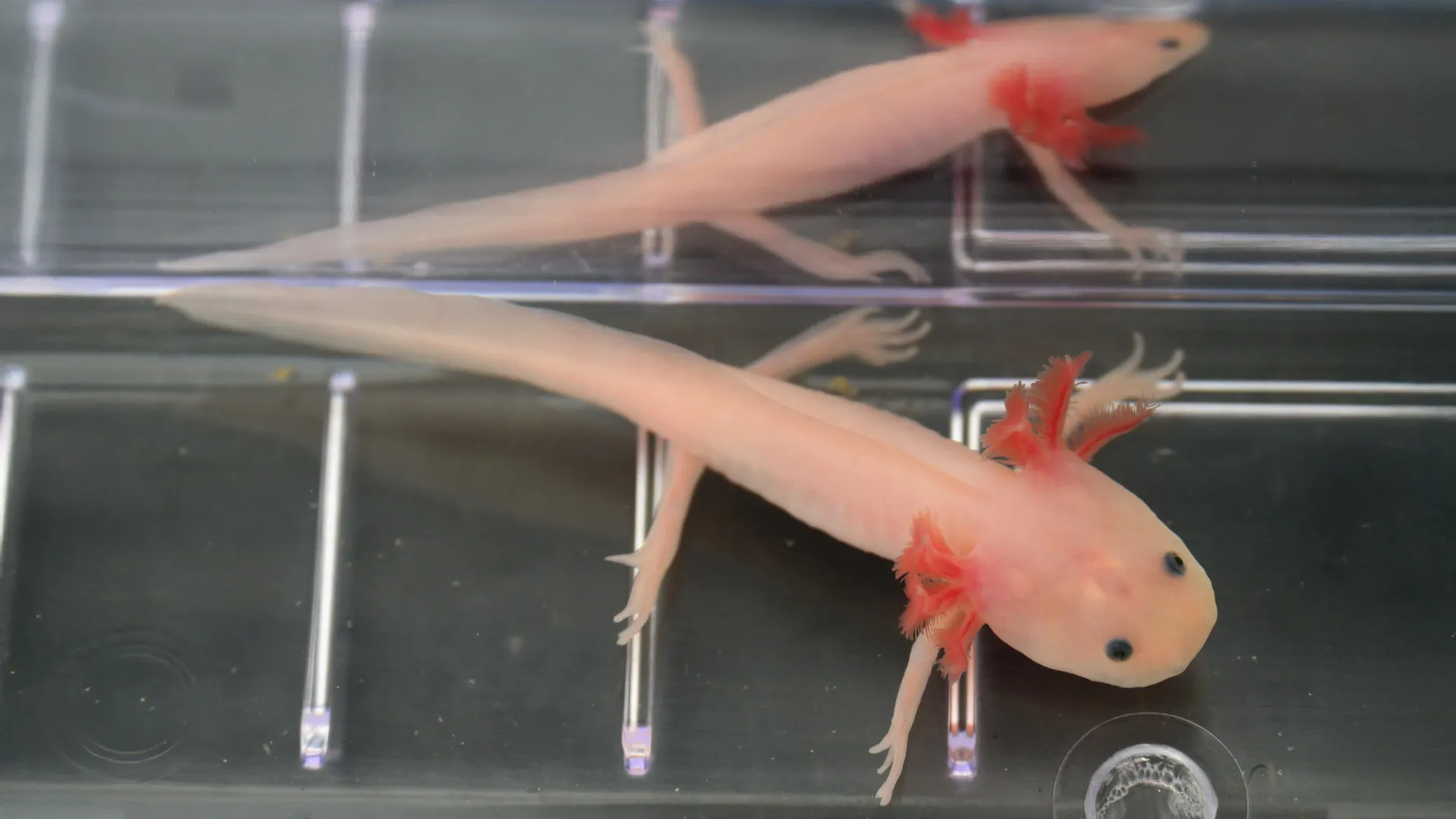
SP genes are a group of genes found to be powerful drivers of regeneration in axolotls, zebrafish, and mice. When researchers disabled these genes in salamanders, proper bone regrowth stopped entirely. In mice, similar disruptions hindered healing. The genes appear to orchestrate the complex cellular processes needed for limb regrowth, such as cell proliferation, patterning, and differentiation. This makes them a prime target for future therapies aimed at triggering regeneration in humans.
How did scientists confirm the role of these genes?
Using a combination of gene-editing and observation, scientists first identified the SP genes by comparing the regeneration processes across axolotls, zebrafish, and mice. They then disabled these genes in salamanders and mice—either through genetic knockouts or chemical inhibitors—and monitored bone regrowth. In both species, regeneration failed or was severely impaired. This confirmed that the SP genes are essential for proper regrowth, not just incidental factors.
What was the gene therapy breakthrough in mice?
Inspired by the zebrafish’s robust regenerative abilities, researchers developed a gene therapy that delivered copies of key SP genes to mouse tissue. When applied to injured limbs in mice, the therapy partially restored regeneration—something that had not been achieved before in mammals. Although the regrowth was not complete, it was a major step toward proving that mammalian cells can be coaxed into regenerating complex structures with the right genetic instructions.
Could this lead to human limb regeneration?
The discovery raises hopes that someday humans might regrow lost limbs. While we are far from clinical applications, the identification of a conserved set of regeneration genes across distantly related species suggests that the potential for regeneration is buried in our own DNA. Future research will focus on delivering these genes safely to human tissues and overcoming the additional challenges of size, complexity, and immune responses. The goal is to replace damaged limbs with living tissue instead of prosthetics.
Why are axolotls, zebrafish, and mice studied together?
These three species represent different evolutionary branches: axolotls are masters of regeneration, zebrafish can regrow fins, and mice are mammals with limited regenerative ability. By studying all three, scientists could identify common genetic pathways that are necessary for regeneration, regardless of species. This cross-species approach helps pinpoint the core genes that humans might need to reactivate. It also allows researchers to test whether treatments effective in animals can work in a mammalian context.
What challenges remain before human trials?
Several obstacles must be overcome. First, the gene therapy must be made safe and effective for large, complex human limbs. Second, the body’s immune system may reject the therapy or the regenerated tissue. Third, scientists need to ensure that regrowth is properly patterned—forming bones, muscles, nerves, and skin in the right order. Finally, ethical and regulatory approvals will take time. Despite these hurdles, the identification of SP genes is considered a holy grail in regenerative medicine.
Related Articles
- Explicit Porn Hijacks Top University Websites After Admins Fail To Clean Up Digital Debris
- 10 Fascinating Insights from the Giant Radio Telescope Tracking Artemis 2’s Lunar Flyby
- How to Observe Wave-Like Behavior in Antimatter Atoms: A Step-by-Step Guide for Researchers
- Amazon WorkSpaces Unleashes AI Agents on Legacy Desktops, No Modernization Required
- 10 Surprising Insights from the James Webb Telescope's Epic Cosmic Web Map
- Unraveling the Mystery of Lightning: New Insights from a Solar Physicist
- Perseverance Rover's Latest Selfie Reveals Mars' Ancient Cliffside Secrets
- Unmasking The Gentlemen RaaS: A Technical Guide to Understanding and Defending Against SystemBC Proxy Attacks