Understanding the New DNA-Based Cholesterol Treatment: Answers to Your Questions
Scientists have made a breakthrough in managing high cholesterol, developing a novel treatment that can reduce 'bad' LDL cholesterol by nearly 50% without relying on statins. This approach uses tiny DNA-based molecules to target a specific protein called PCSK9, which normally prevents cells from clearing cholesterol from the bloodstream. By shutting down this protein, the therapy allows the body to absorb more cholesterol and reduce artery buildup, lowering heart disease risk. Below, we answer key questions about this innovative approach, from how it works to its potential availability.
What Exactly Is This New Cholesterol Treatment?
The treatment consists of small, engineered molecules made from DNA that can precisely interfere with the production or activity of PCSK9, a protein that regulates LDL cholesterol levels. These molecules, often referred to as nucleic acid-based therapies, work by binding to the genetic instructions for PCSK9 and preventing its formation. This is a fundamentally different strategy from statins, which work by blocking an enzyme involved in cholesterol production. The DNA-based approach is designed to be taken as an injection, similar to existing PCSK9 inhibitors, but with the potential for longer-lasting effects because it targets the root cause at the genetic level. Early studies in animals and human cells show it can lower LDL cholesterol by nearly 50%, offering hope for people who cannot tolerate statins or need additional cholesterol-lowering options.
How Does the Treatment Work Inside the Body?
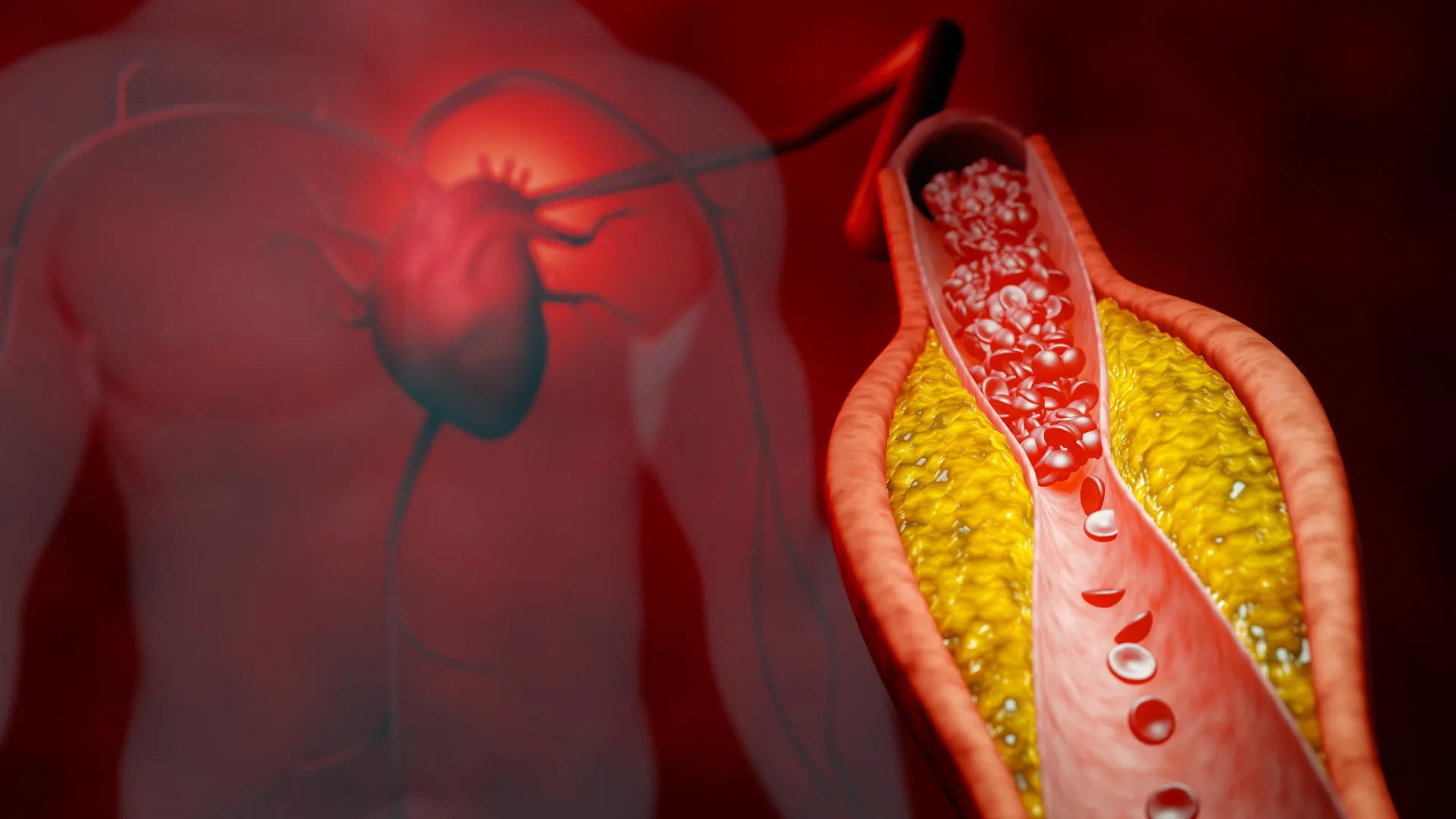
The tiny DNA molecules are designed to seek out and neutralize the messenger RNA that carries the instructions for making the PCSK9 protein. Once inside liver cells, these molecules bind to the PCSK9 mRNA, essentially silencing the gene's activity. Without new PCSK9 being produced, the liver cells express more LDL receptors on their surface. These receptors act like sponges, pulling LDL cholesterol out of the bloodstream and into the cells for processing. Normally, PCSK9 would degrade those receptors, keeping cholesterol circulating. By blocking PCSK9, the treatment unlocks this natural clearance mechanism. This approach is similar to how some RNA interference drugs work for other conditions. The result is a sustained reduction in blood LDL levels, which can help prevent the buildup of plaque in arteries and reduce the risk of heart attacks and strokes.
Why Is PCSK9 Such an Important Target for Cholesterol Control?
PCSK9 is a protein that acts as a natural brake on the body's ability to clear LDL cholesterol. Produced mainly in the liver, PCSK9 binds to LDL receptors on the surface of liver cells and marks them for destruction. Since these receptors are responsible for removing LDL cholesterol from the blood, higher PCSK9 activity means fewer receptors and higher cholesterol levels. Genetic studies have shown that people with naturally lower PCSK9 activity have very low LDL levels and a significantly reduced risk of heart disease, often living longer with healthier arteries. Conversely, mutations that increase PCSK9 function lead to high cholesterol and early heart attacks. By designing drugs that inhibit PCSK9, researchers can mimic the beneficial genetic variant, offering a powerful way to reduce cardiovascular risk. The new DNA-based treatment provides a more direct and potentially long-lasting way to achieve this inhibition than existing antibody drugs.
How Effective Is This Treatment Compared to Statins?
Current data from early trials show that the DNA-based therapy can lower LDL cholesterol by approximately 40% to 50%, which is comparable to or slightly better than moderate-intensity statin therapy. Statins typically reduce LDL by 30% to 50% depending on the dose and individual response. However, statins work through a different mechanism—they block an enzyme called HMG-CoA reductase that is key in cholesterol synthesis. The new treatment offers an alternative for individuals who cannot tolerate statins due to side effects like muscle pain, or for those who need additional lowering despite maximum statin doses. Importantly, the DNA-based approach may produce more consistent effects over time with less frequent dosing because it targets the root production of PCSK9 rather than cholesterol synthesis. More extensive human trials are needed to compare long-term cardiovascular outcomes and side-effect profiles head-to-head with statins.
What Are the Potential Side Effects and Safety Considerations?
Because this treatment is still in early development, a full safety profile is not yet known. However, based on animal studies and initial human trials, the side effects may be different from those of statins. The most common concerns with DNA/RNA-based therapies include injection site reactions (redness, swelling, pain), mild flu-like symptoms, and potential immune responses to the synthetic molecules. Since PCSK9 is primarily involved in cholesterol metabolism, silencing it does not appear to cause major imbalances in other body functions. Existing PCSK9 antibody drugs have shown a very low rate of serious side effects, but they require injections every few weeks. The DNA-based version might allow for even longer intervals between doses, reducing patient burden. One theoretical risk is that completely removing PCSK9 could affect other processes, but natural genetic mutations that eliminate PCSK9 have been found in healthy individuals, suggesting it is safe to inhibit. Long-term studies will be essential to confirm safety.
Who Might Benefit Most From This New Therapy?
This treatment could be especially valuable for people with familial hypercholesterolemia, a genetic condition that causes extremely high LDL levels and is often resistant to statin therapy alone. It may also help patients who cannot tolerate statins because of side effects like myalgia or elevated liver enzymes. Additionally, individuals who have already had a heart attack or stroke and need aggressive LDL lowering beyond what statins provide could benefit. Even people with moderately high cholesterol who prefer a non-statin option might be candidates, though cost and availability will be factors initially. Because the therapy targets a specific genetic pathway, it is well-suited for personalized medicine approaches. However, it is unlikely to replace lifestyle changes and statins entirely; instead, it offers an additional, targeted tool for managing cholesterol, especially in high-risk patients where conventional treatments are insufficient or contraindicated.
When Might This Treatment Become Available to Patients?
At present, the research is in the early preclinical and Phase 1 human trial stages. It will likely take several more years before the therapy is ready for regulatory approval. The typical development timeline for a new drug is around 10 to 15 years, but accelerated pathways may apply if safety and efficacy are strong. Currently, the most advanced PCSK9 inhibitors (antibody drugs like evolocumab and alirocumab) are already approved and widely used. The new DNA-based approach is trying to improve upon these by offering longer duration of action and potentially lower cost once generic production methods are refined. Researchers are also exploring oral versions of these DNA molecules, which could make daily treatment possible without injections. For now, patients interested in the latest cholesterol treatments should discuss with their cardiologist about existing PCSK9 inhibitors and participate in clinical trials if eligible.
Related Articles
- How to Explore Gut Microbiome Strategies for Kidney Protection: Insights from Recent Lubiprostone Research
- How to Secure Billion-Dollar Funding for AI-Driven Drug Discovery: Lessons from Isomorphic Labs
- 4 Critical Biotech Updates You Can't Miss This Morning
- Breakthrough: Testosterone Gel Halts Age-Related Belly Fat in Hip Fracture Recovery
- Debate Over Youth Social Media Bans Intensifies as Evidence Remains Unsettled
- Preserving the American Dream: A Call to Action
- 10 Essential Facts About Ensitrelvir: The Pill That Prevents COVID After Exposure
- Hospital Management AI System Achieves Zero Downtime with Multi-LLM Fallback Architecture