How to Recognize the Critical Importance of Shifting Atlantic Ocean Currents
Introduction
The Atlantic Meridional Overturning Circulation (AMOC) is a vital system of ocean currents that regulates climate across the globe. Recent research, including an April 2026 study published in Science Advances, reveals that this system is weakening far sooner than previously forecast. The driver is unmistakably human-caused climate change. Understanding why these changes matter—and what they mean for you—is essential for preparing for a warmer, more unstable world. This step-by-step guide breaks down the causes, consequences, and actions you can take to stay informed and resilient.
What You Need
Before diving in, ensure you have a basic grasp of these concepts or resources:
- Awareness of climate change basics – greenhouse gases, global warming, and melting ice sheets.
- Interest in oceanography – familiarity with the Gulf Stream and deep-water formation is helpful.
- Access to climate news and scientific reports (e.g., IPCC reports, NOAA updates).
- A world map – to visualize affected regions (Europe, Africa, the Americas).
- Motivation to take action – either personal lifestyle changes or community advocacy.
Step-by-Step Guide
Step 1: Learn What the AMOC Does and Why It Matters
The AMOC acts like a giant conveyor belt, moving warm surface water northward and cold deep water southward. This process distributes heat around the planet, especially warming Western Europe and influencing precipitation patterns in Africa and the Americas. When this system slows, the consequences ripple across continents. Begin by reading about the AMOC’s normal function—focus on its role in regulating European winters, supporting monsoon rains in West Africa, and holding back sea-level rise on the U.S. East Coast. Only then can you appreciate the stakes of its weakening.
Step 2: Identify the Primary Cause – Freshwater from Melting Greenland
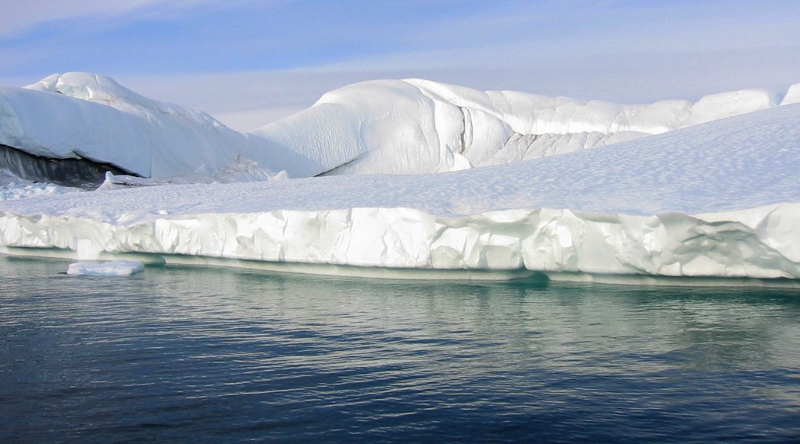
Climate change is melting the Greenland ice sheet at an accelerating rate. The influx of fresh, cold water into the North Atlantic decreases the salinity and density of surface waters. Normally, dense, salty water sinks near Greenland, driving deep currents. But less sinking means a weaker AMOC. The April 2026 study confirmed that this process is happening decades earlier than models predicted. To verify this, check data from NASA’s GRACE satellites or the World Climate Research Programme. Understanding the cause helps you connect climate action with ocean health.
Step 3: Recognize the Regional Consequences
The impacts are not uniform. For Europe, a slower AMOC means less warm water reaching northern latitudes—so countries like the UK, Scandinavia, and Germany could face colder winters and disrupted agriculture. For Africa, especially West Africa, a weakened AMOC can push the tropical rain belt southward, worsening droughts in the Sahel region. For the Americas, the U.S. East Coast will experience accelerated sea-level rise (because the current no longer pulls water away from the shore) and stronger hurricanes fueled by warmer ocean waters. South America may see altered Amazon rainfall. Create a mental map or jot down these links: each region you care about is directly affected.
Step 4: Understand the Global Feedback Loops
Weakening the AMOC does not stop there. It can amplify climate change by reducing the ocean’s ability to absorb carbon dioxide (since mixing slows). It may also trigger more ice-sheet melting in Antarctica through sea-level changes. This step is about connecting dots: a slower AMOC makes it harder to meet the Paris Agreement goals and increases the risk of tipping points in other Earth systems. Follow scientists like Michael Mann (Penn State) or recent publications in Science Advances for the latest feedback discussions.
Step 5: Take Informed Action
While you cannot stop the AMOC alone, you can reduce your carbon footprint and advocate for systemic changes. Start with these actions:
- Reduce fossil fuel use – drive less, switch to renewable energy at home.
- Support climate policies – vote for leaders who prioritize emission cuts and ocean protection.
- Educate others – share this guide and the findings of the 2026 study.
- Prepare locally – if you live in a vulnerable area (coastal U.S., northern Europe, West Africa), join community resilience projects.
Action also means staying informed. Bookmark organizations like NOAA, the Met Office, or the European Climate Foundation. Understanding the AMOC’s state lets you anticipate changes.
Tips for Staying Ahead
- Monitor real-time data – The RAPID array in the Atlantic provides up-to-date AMOC strength measurements.
- Read beyond headlines – Many media oversimplify; dive into original papers or summaries from reputable science journals.
- Think long-term – AMOC changes unfold over decades, but individual choices today shape tomorrow’s climate.
- Engage locally – Join citizen science projects (e.g., Secchi Disk observations) to contribute to ocean data.
- Spread hope, not just fear – Although the situation is urgent, every ton of CO₂ avoided helps slow the weakening. Effective communication inspires action.
Now you have a clear framework to understand and respond to the shifting Atlantic currents. The April 2026 study is a wake-up call—use this knowledge to advocate for a more sustainable future.
Related Articles
- How to Survey Ancient Martian Terrain: A Step-by-Step Guide to the Perseverance Rover's Crocodile Bridge Panorama
- Decoding the Fiery Youth of Galaxies: A Guide to Early Universe Star Formation
- 10 Fascinating Facts About the Spiral Galaxy NGC 3137
- Pinpointing the Culprit: Automated Failure Attribution in Multi-Agent LLM Systems
- How to Sustain Disruptive Scientific Innovation as Your Career Progresses
- From Digital Chaos to Clarity: How Gemini Organizes Your Research Folders
- Can Life Thrive with 19 Amino Acids? Unpacking a Bold Genetic Experiment
- Newly Uncovered Fast16 Malware: A Pre-Stuxnet US Cyber Sabotage Tool Targeting Iran