7 Ways Climate Change Is Making Your Allergies Worse (And What to Do)
Introduction
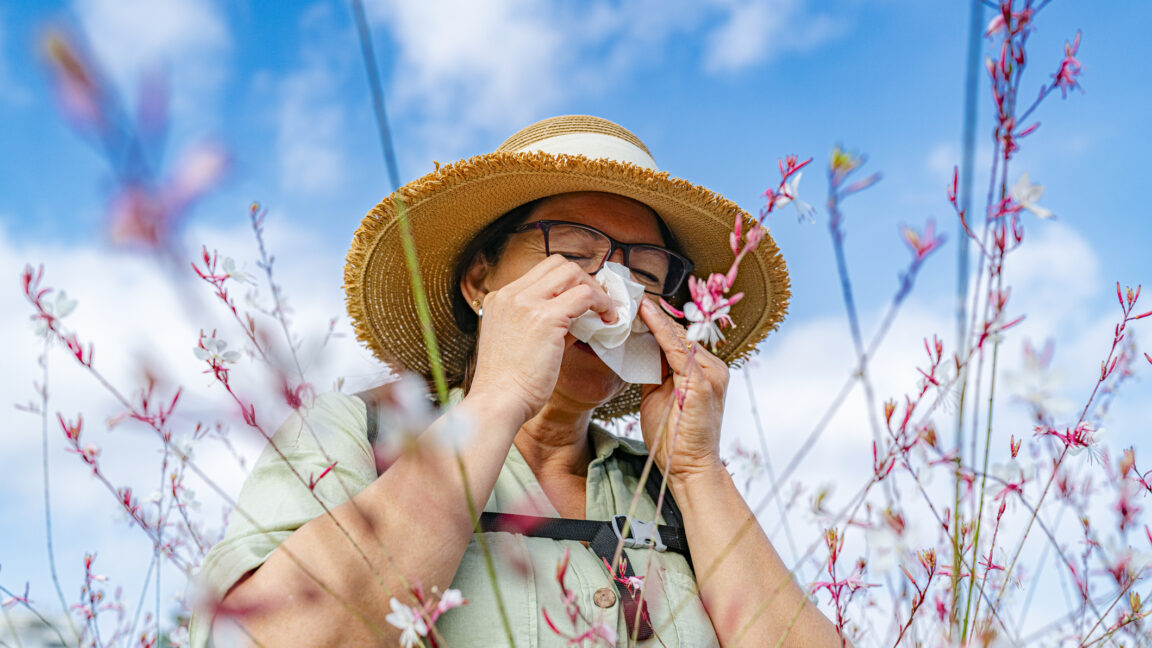
If it feels like every spring your allergies are getting worse, you're not imagining things. Climate change is fundamentally altering the patterns of pollen production and distribution across the Northern Hemisphere, leading to longer, more intense allergy seasons. Dr. Neelima Tummala, an otolaryngologist at NYU Langone Health, notes that patients consistently report their symptoms are more severe than ever—and science backs them up. With about 25% of U.S. adults and 20% of children affected by seasonal allergies, understanding how a warming planet impacts pollen is crucial. This article breaks down seven key mechanisms linking climate change to your sneezes and sniffles, and offers practical steps to find relief.
Jump to Item 1 | Jump to Item 2 | Jump to Item 3 | Jump to Item 4 | Jump to Item 5 | Jump to Item 6 | Jump to Item 7
Related Articles
- Understanding PFAS in Baby Formula: A Parent's Guide to Recent FDA Findings
- Supportive Schools Can Ease Mental Health Crisis Among LGBTQ+ Youth
- The Brain Sway Method: How Gentle Abdominal Tension Activates Natural Waste Removal
- Beyond GLP-1: Experimental Obesity Drug Targets Five Pathways in Mice
- Axsome's Breakthrough: FDA Approves First Treatment for Alzheimer's Agitation
- How the Shifting Surgeon General Nomination Could Reshape Public Health Messaging: A Guide to Understanding the MAHA Influence
- 5th Circuit Court Ruling Restricts Mifepristone Access to In-Person Dispensing Only
- FDA Faces Critical Talent Gap After Mass Firings, Agency Struggles to Rehire