Philippine Offshore Wind Ambitions Stalled by Missing Port Infrastructure
Ports Become the Unsung Gatekeepers of Green Energy
Before a single offshore wind turbine can rise above Philippine waters, ports must be built—and that reality is now delaying the country’s most advanced wind zones. Projects in San Miguel Bay (Bicol) and the Guimaras Strait (Western Visayas) are stalled not by sea conditions, but by the absence of land-based staging facilities.
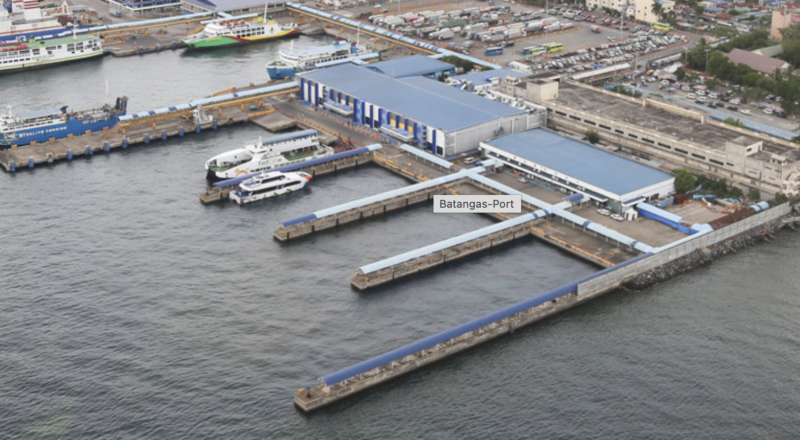
“Without dedicated ports for assembly, storage, and maintenance, these multi-billion-peso projects cannot move forward,” said Dr. Maria Reyes, an energy infrastructure analyst at the University of the Philippines. “We are looking at years of delay unless the government prioritizes port upgrades.”
The Department of Energy has identified 89 GW of offshore wind potential, but only 300 MW are currently in early development—largely due to port bottlenecks.
What Ports Are Needed—and Why
Offshore wind farms require specialized ports for turbine component staging, jack-up vessel berthing, and heavy-lift crane operations. Existing Philippine ports lack the draft depth, quay strength, and yard space for such demands.
“These are not your typical cargo ports,” explained Capt. Luis Santos, president of the Philippine Ports Authority. “We need facilities that can handle 100-meter blades and 1,000-ton tower sections. No current port south of Manila meets that spec.”
Guimaras Strait alone would require a staging port of at least 10 hectares near the project site. San Miguel Bay faces similar gaps.
Background
The Philippines aims to increase renewable energy share to 35% by 2030 and 50% by 2040. Offshore wind is a key pillar, with the government awarding 79 service contracts for offshore wind projects totaling nearly 60 GW since 2022.
However, a 2023 study by the World Bank found that the country lacks any port with “medium to high suitability” for offshore wind logistics retrofits. The nearest suitable ports are in Taiwan and Vietnam.
“Mapping revealed that even the most prospective wind zones are within 50 km of existing shallow ports, but none are deep enough for construction vessels,” the study noted.
What This Means
The port deficit threatens to push first power generation beyond 2030, undermining the government’s renewable energy targets. Investors are already hesitant—three international developers have reportedly paused site assessments due to logistical uncertainty.
“Without port investment, the Philippines risks becoming a net importer of offshore wind know-how and equipment, when it could be a regional hub,” said Reyes. “The window of opportunity is closing as other Southeast Asian nations race ahead.”
On the ground, local communities in Bicol and Western Visayas await jobs and electricity that may not come for years. Meanwhile, the Department of Transportation has announced a feasibility study for port upgrades, but no funding has been allocated.
Related Articles
- Mastering Code Highlighting: Key Questions and Answers
- How Wind and Solar Saved UK £1.7 Billion in Gas Imports Since Iran Conflict
- From Balconies to Power: How Small Solar Systems Challenge Trump's Fossil Fuel Agenda
- React Native 0.85: Enhanced Animation Engine and Streamlined Testing
- AUTEUR E Ink Typewriter Crowdfunding Launches: Distraction-Free Writing with Mechanical Keyboard
- States Double EV Charging Infrastructure Progress but Still Fall Short, Sierra Club Report Reveals
- Berlin Commits €1 Billion to Fast-Track Electric Truck Charging Network Across Germany
- How to Set Up and Use the AWS Sustainability Console for Comprehensive Emissions Reporting