The Hidden Costs and Benefits of Home-Based Data Centers: 7 Key Facts
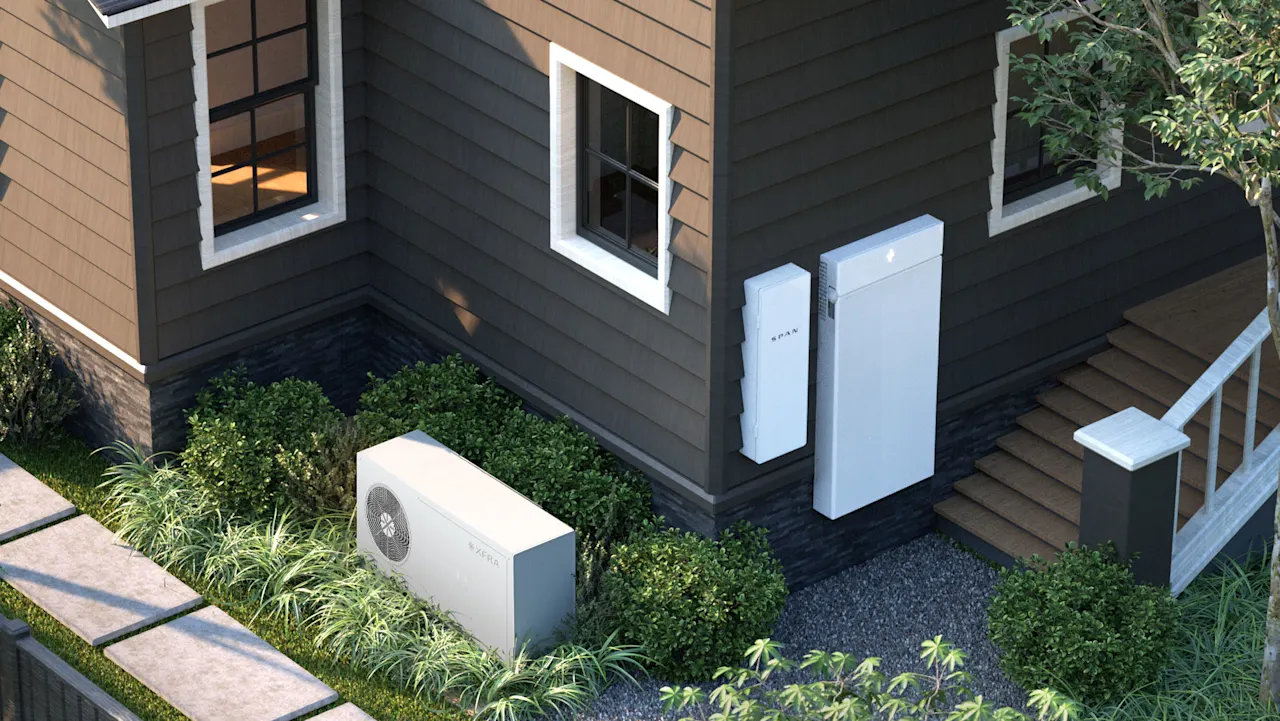
Imagine a sleek box next to your house that looks like an HVAC unit but actually powers artificial intelligence. That's the vision from Span, a California company backed by Nvidia, which proposes placing miniature data centers—each loaded with powerful GPUs—in residential neighborhoods. The idea is clever: tap into unused electrical capacity in homes to run distributed computing, with homeowners getting their electricity and internet bills largely paid. But is this futuristic plan practical, and who truly bears the cost? Here are seven critical facts you need to know about this emerging trend.
1. The Core Concept: GPUs in Your Backyard
Span's smart utility box monitors a home's power usage, which on average only consumes about 42% of the allocated electricity. Whenever spare capacity is available, the box directs that extra power to a standalone “node” containing 16 Nvidia GPUs, 4 AMD CPUs, 4 terabytes of memory, and a dedicated cooling system. Multiple homes with these nodes can be linked together to form a distributed computing network, handling AI workloads or other tasks. This allows compute power to be placed where electricity is already allocated, sidestepping the huge grid upgrades needed for traditional data centers.
2. The Sweet Deal for Homeowners
In exchange for hosting a node, Span covers a significant portion of the homeowner's electricity and broadband internet bills. This could mean substantial savings for families, especially in areas with high utility costs. However, homeowners must agree to the installation and ongoing operation of the equipment, which is roughly the size of a central air conditioner. The financial incentive is designed to make the proposition appealing, but it also ties the homeowner's consent to the long-term success of the project.
3. The Unproven Status: Only One Real Installation
Despite the promising concept, Span has not yet installed any production nodes beside actual homes. The company has partnered with Pulte Homes, a major homebuilder, but so far only one prototype unit has been placed next to a single home. Span's VP Chris Lander acknowledges that the company is still in the proof-of-concept phase, with internal technical studies and modeling, but no real-world deployment data. A pilot project with “upwards of 100” advanced nodes is promised for “later this year,” but specific location and timing remain undisclosed.
4. The Bandwidth and Latency Question
Span claims that placing compute power closer to end users can improve response times for chatbots and AI services. However, critics question whether a distributed network of home-based nodes can match the reliability and speed of centralized data centers. Lander says the company has done extensive internal modeling for different workload types, but independent third-party benchmarks are absent. The success of this model hinges on robust, low-latency connectivity between nodes, which may not be available in all residential areas.
5. Grid Impact: Could It Raise Everyone's Bills?
One of the biggest objections to new data centers is that they strain the electrical grid, potentially leading to higher rates for all customers. Distributed data centers like Span's also draw additional power from the grid—even if it's unused capacity. That usage could still accelerate wear on transformers and other infrastructure, driving up maintenance costs. Lander argues that distributed systems actually reduce strain by spreading demand, but utility regulators and local communities are not yet convinced. The risk of higher bills remains a key concern.
6. The Nvidia Factor: A Power Play for AI
Nvidia's backing of Span signals a strategic shift. The GPU maker recognizes that the main bottleneck in expanding AI capacity is not chip supply but electrical infrastructure. By placing GPUs where power already exists, Nvidia hopes to accelerate deployment without waiting for massive grid upgrades. Each node contains 16 of Nvidia's top-tier GPUs, making them valuable assets. If successful, this approach could reshape where and how AI computing happens, potentially reducing the need for gigantic data center campuses.
7. What's Next: Pilot Projects and Real-World Testing
Span is partnering with Pulte Homes to integrate nodes into new home developments. The next step is a pilot of 100+ advanced prototypes, but no specific timeline or location has been announced. For the concept to prove viable, it must demonstrate reliable performance, secure homeowner acceptance, and satisfy utility companies that the grid won't suffer. If the pilot succeeds, we could see thousands of these nodes dotted across neighborhoods. If it fails, the idea may remain just another smart grid experiment. Either way, the question of “who pays” will be answered by the market and regulators.
Conclusion: A Vision Worth Watching, But Not Yet Reality
Span's home data center proposal is bold and innovative, offering a potential solution to the power bottleneck constraining AI growth. It provides homeowners with financial perks and promises to reduce latency for users. However, the lack of real-world testing, concerns about grid strain, and unanswered technical questions mean that caution is warranted. As the company moves toward its promised pilot, all eyes will be on whether this distributed approach can truly deliver on its lofty goals—and at what cost to communities.
Related Articles
- Pioneering Reinforcement Learning at Scale: NVIDIA and Ineffable Intelligence's Joint Infrastructure Project
- Intel Rushes Linux Driver Updates for Crescent Island AI Accelerator Ahead of Launch
- NVIDIA Engineers Tackle CPPC v4 Support for Linux ACPI Driver – A Leap Forward in Core Performance Management
- Intel Begins Trial Production of Apple Chips for iPhone, iPad, and Mac, Analyst Reveals
- Decoding Apple's Earnings: How iPhone Revenue Hit $57B Amid Chip Supply Woes
- AI Training at Gigascale Hits Hidden Power Wall: New Battery Tech Emerges as Critical Buffer
- How to Snag the Ultimate Lenovo Gaming PC Deal: RTX 5090, Intel Core Ultra 9, and $2,000 Off
- How to Secure Lenovo's Legion Tower 7i Gen 10 with RTX 5090 at a Record Low Price: A Step-by-Step Guide