Inside the Riven AI Art Controversy: Robyn Miller and Fangamer Respond
When Fangamer announced a vinyl soundtrack release for Riven, fans were excited—until they saw the gatefold art. Critics flagged the illustration’s AI-generated look, sparking a debate that pulled in co-creator Robyn Miller. Here we break down the key questions around the incident, Miller’s defense, and Fangamer’s policy.
What sparked the debate over the Riven vinyl soundtrack art?
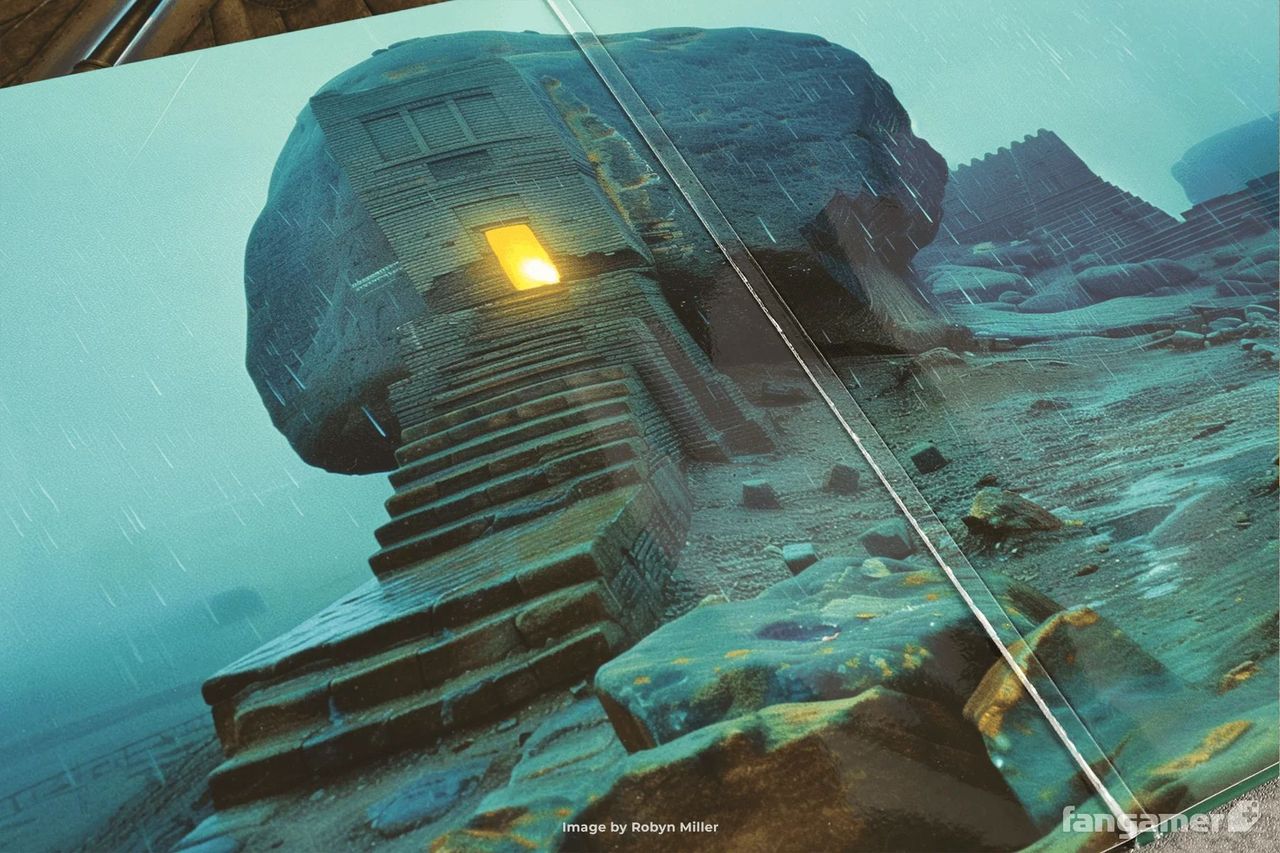
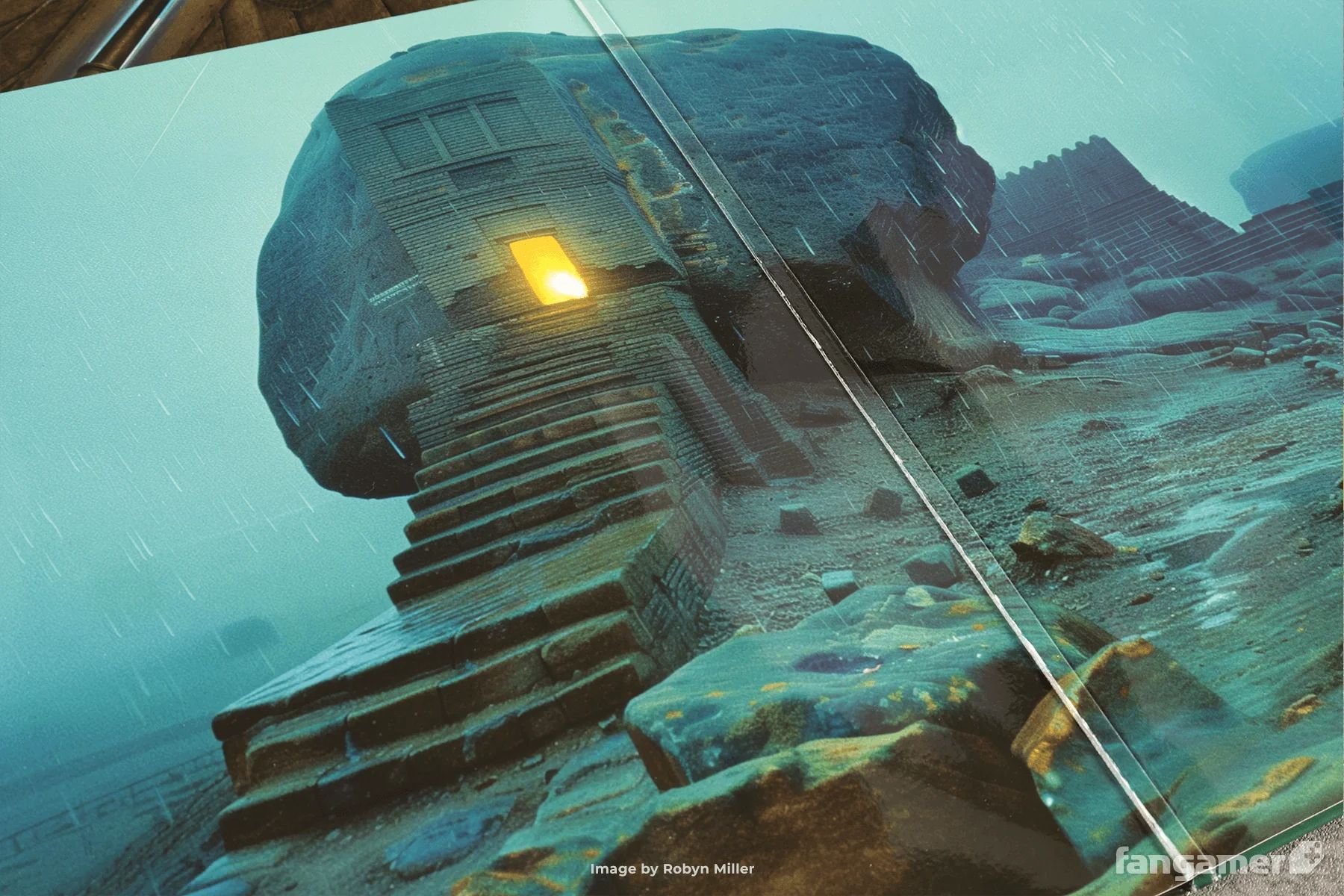
The controversy began when attentive fans on the Myst subreddit noticed that the gatefold illustration for Fangamer’s Riven vinyl—a landscape of Age 234—had the hallmarks of generative AI. The image was created by Robyn Miller, co-creator of both Myst and Riven. Many commenters expressed disappointment, arguing that AI-generated art undermines the handcrafted spirit of the original games. The discussion quickly spread beyond the subreddit, with Time Extension and other outlets picking up the story and putting pressure on both Miller and Fangamer to explain their positions.
How did Robyn Miller respond to the AI art accusations?
Robyn Miller responded directly in the Reddit thread, confirming that he had indeed used AI tools to create the final image. However, he emphasized that the process began with traditional pencil sketches. “The tools are advanced enough that, once one has a concept, especially a sketch, arriving at a final image is not so difficult,” Miller wrote. He described a meticulous workflow involving dozens of iterations—adjusting elements such as camera angle, film grain, time of day, and weather. Miller framed AI as just another digital brush in his toolkit, not a shortcut that bypasses artistic intent. “Tools do not make the art. The artist makes the art,” he insisted.
What specific AI tools and techniques did Miller use?
Miller didn’t name a particular AI platform, but he detailed a rigourous iterative process. After starting with hand-drawn concept sketches, he fed them into the AI, then repeatedly tweaked parameters—shifting portions of the image, adjusting the simulated camera lens, ISO, aging of film, and even the perspective. Each run produced a slightly different output, and he would select the best version, then refine again. “It’s a process of two steps forward, one step back,” he wrote. Miller likened it to retouching a photograph or blending studio lighting; the AI served as a powerful assistant, but the artist’s vision always guided the end result.
How did Miller address the term “AI slop” critics used?
Miller turned the “slop” accusation on its head. He argued that low-quality art has existed long before generative AI—calling out “endless amounts of ART SLOP” created with traditional brushes, 3D software, or any tool. “Any artist can take a brush and, without thinking, an artist can create slop,” he said. The real problem, in Miller’s view, is lack of intent, care, or originality, not the medium. He stressed that when artists copy styles, design without thought, or produce work mechanically, the output is slop—whether rendered by hand or by algorithm. This defense reframed the debate from tool-shaming to a discussion of artistic sincerity.
What was Fangamer’s official statement on the AI-generated art?
Fangamer responded to Time Extension by clarifying their internal policy: “Our internal policy prohibits art created by generative AI in our products, but it’s one we hadn’t directly addressed with all of our outside artists.” They explained that this Riven soundtrack project began before image-generation tools became widespread, and that Fangamer’s role was limited to layout and production—so they were unaware of the specific tools Miller employed. To make amends, Fangamer offered a full, no-questions-asked refund for any customer unhappy with the gatefold art. They also announced they were updating artist agreements to explicitly ban generative AI in future products.
What does this controversy reveal about the debate over AI in art?
The Riven incident highlights a generational and philosophical divide. Some see AI as a legitimate creative tool that speeds up iteration and explores visual possibilities—especially for concept art. Others view it as a threat to the authenticity and labor that define traditional artistry. Miller’s defense challenges the assumption that AI art is always “lesser,” while Fangamer’s policy shows that, for many companies, a line must be drawn to protect brand integrity. The episode also underscores the need for clear communication between publishers and freelance artists about acceptable tools, especially as AI continues to evolve rapidly.
What steps is Fangamer taking to prevent similar issues in the future?
Following the backlash, Fangamer is revising its artist and partnership agreements to explicitly prohibit generative AI in any product they sell. They admitted their oversight: the policy existed internally but wasn’t formally shared with all outside contributors. Going forward, all collaborators will be required to disclose their creative tools. For customers who already purchased the Riven vinyl, Fangamer has a straightforward refund process. This incident serves as a cautionary tale for other publishers: as AI tools become more common, clear contracts and early conversations about artistic process are essential to maintain trust with fans and creators alike.
Related Articles
- Rebounder: A Pulp-Print Precision Platformer That Redefines Cool
- ASUS ROG Raikiri II Linux Support on the Horizon: Premium Controller Goes Open-Source
- Star Wars Games: Essential Titles and Their Unique Stories
- Steam Controller Sells Out in Under 24 Hours – Valve Vows Restock Amidst Demand Surge
- May Cloud Gaming Mega-Update: 10 Things to Know About GeForce NOW's Biggest Month Yet
- How to Dive Into the Subnautica 2 Hype: A Guide to the New Teaser and May 14 Launch
- IO Interactive's 007: First Light Breaks from Hitman Formula, Early Impressions Reveal
- Marvel Super Heroes in Magic: The Gathering - Community Concerns and Hopes