Tensor G6 Leak Hints at Pixel 11’s CPU Prowess—But Rivals Still Have an Edge
Tensor G6 Leak Reveals a Major CPU Upgrade
Recent leaks about Google’s next-generation Tensor G6 chip, destined for the Pixel 11 series, have stirred excitement—and caution—among Android enthusiasts. The information suggests a dramatic leap in central processing unit (CPU) performance, thanks to a completely new core architecture.
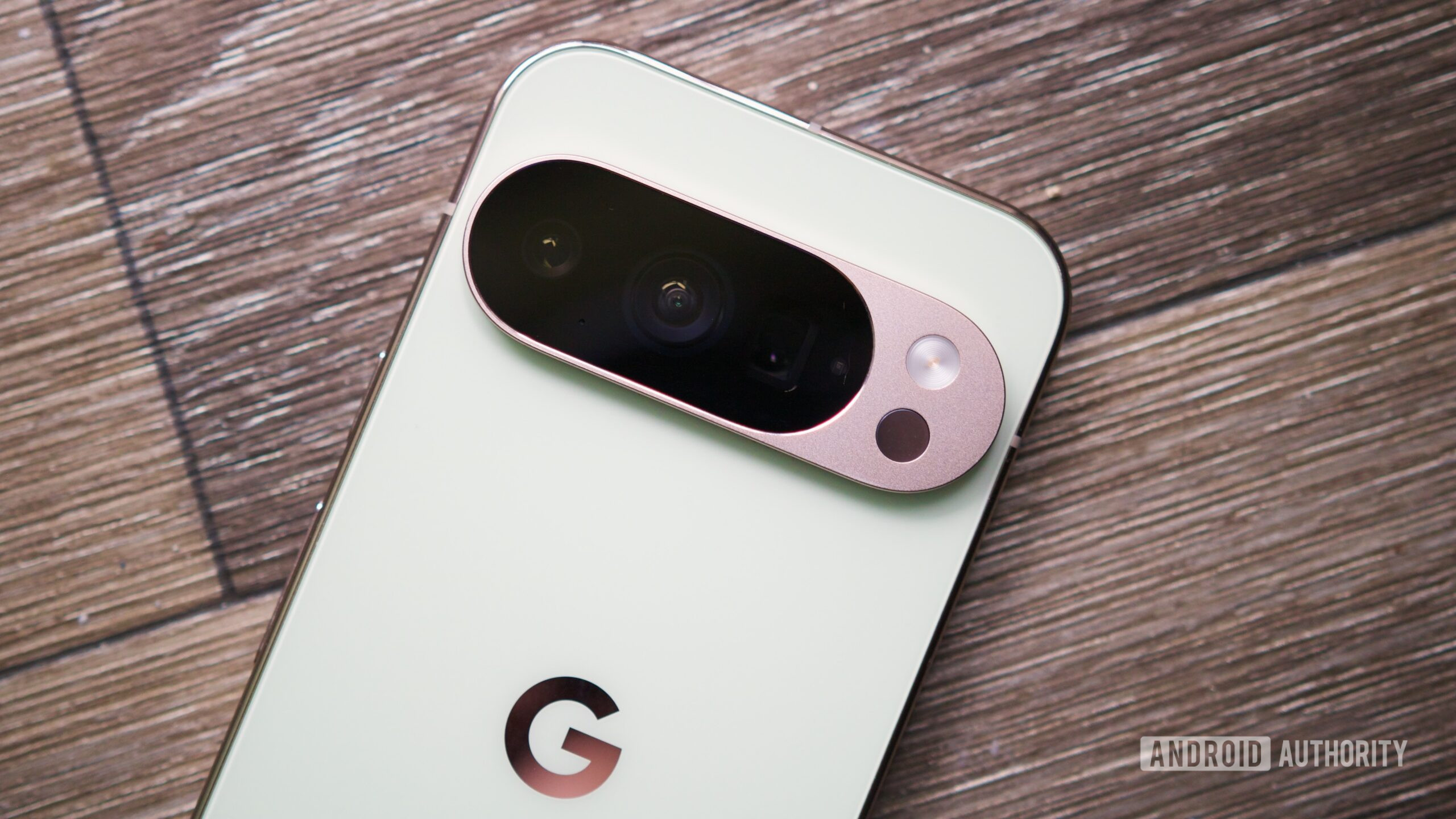
According to the leak, the Tensor G6 will feature a single Arm C1-Ultra core clocked at 4.11 GHz, alongside four C1-Pro cores running at 3.38 GHz and two additional C1-Pro cores operating at 2.65 GHz. This configuration effectively skips the Arm Cortex X925 generation entirely, jumping straight to the same CPU cohort used in the powerhouse MediaTek Dimensity 9500. For Pixel fans, this is a welcome departure from previous Tensor generations, which often lagged behind flagship competitors in raw computing power.
How Does the Tensor G6 Compare to Rival Flagship Chips?
While the CPU numbers look impressive on paper, the picture becomes murkier when you place them alongside competing chips from Qualcomm, Apple, and MediaTek. For instance:
- Snapdragon 8 Gen 4 is expected to use custom Oryon cores with similar clock speeds but a more mature GPU and AI engine.
- Apple A19 (rumored for iPhone 17) will likely maintain its lead in single-core performance and energy efficiency.
- MediaTek Dimensity 9500, already employing the same C1 core cluster, will likely benefit from a better-integrated modem and faster memory support.
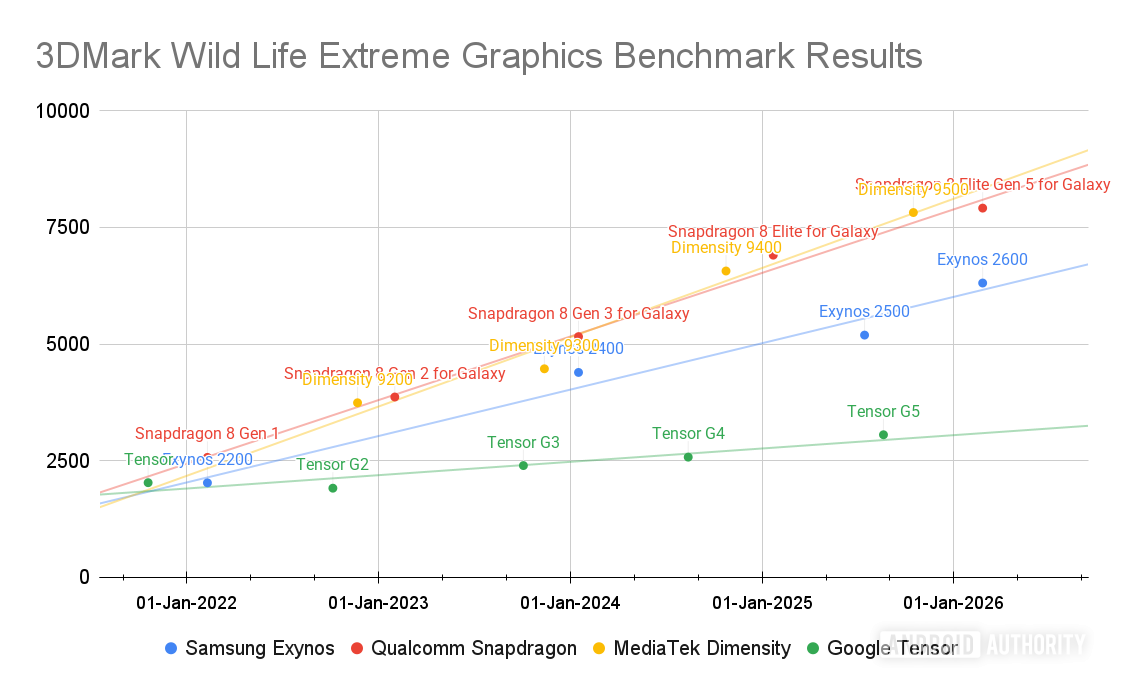
The Tensor G6’s CPU leap is real, but Google’s chips have historically struggled in GPU performance, modem reliability, and thermal management. Until we see benchmarks for graphics, AI, and 5G connectivity, the Pixel 11’s Tensor G6 may still trail behind rivals in day-to-day flagship experiences.
What This Means for Pixel 11 Users
For prospective Pixel 11 buyers, the leak is a mixed bag. On the one hand, you’ll finally get a CPU that can compete with the top Android and iOS devices—no more slow app launches or stuttering in demanding games. On the other hand, raw CPU power is only part of the equation. The Tensor series has always shined in on-device AI and computational photography, areas where Google’s custom hardware (like the TPU) can offset GPU shortcomings.
However, if you’re a power user who also cares about gaming, prolonged video editing, or seamless 5G performance, the Tensor G6 may still leave you wanting. The leak suggests that Google is pouring resources into the CPU cluster, but information about the GPU, NPU, and modem remains sparse. If history repeats itself, these components could be where the gap with rivals remains widest.
The Bottom Line: Promising but Incomplete
The Tensor G6 leaks underline a clear strategy: Google is finally taking CPU performance seriously. But the Pixel 11 will only be as good as its weakest component. Until we see comprehensive benchmarks and real-world tests, it’s wise to temper enthusiasm. The chip sounds promising—until you compare it to what Qualcomm and Apple are cooking up. For now, the Pixel 11 looks like it will be a strong contender in speed, but it may not dethrone the overall flagship chip crown.
Related Articles
- Zyphra's TSP: A Smarter Way to Parallelize Large Language Models
- Walmart Unveils Two Power-Packed Android Tablets Starting at $138 – A Budget Revolution?
- Intel's Wildcat Lake Budget Laptops: Pricing, Availability, and Key Features Explained
- 6 Signs Your Old Gaming CPU Is Killing Your FPS (And How to Fix It)
- The GTX Titan: Nvidia's Most Influential GPU 13 Years Later
- SPIFFE and Agentic AI: A Foundational Identity Framework for Autonomous Systems
- Nvidia Continues AI Dominance: Data Center Revenue Surges, Driving Another Earnings Beat
- Navigating the Updated GPU Baseline in Rust’s nvptx64-nvidia-cuda Target