Next-Generation Space Computing: NASA and Microchip's Leap Forward
Introduction
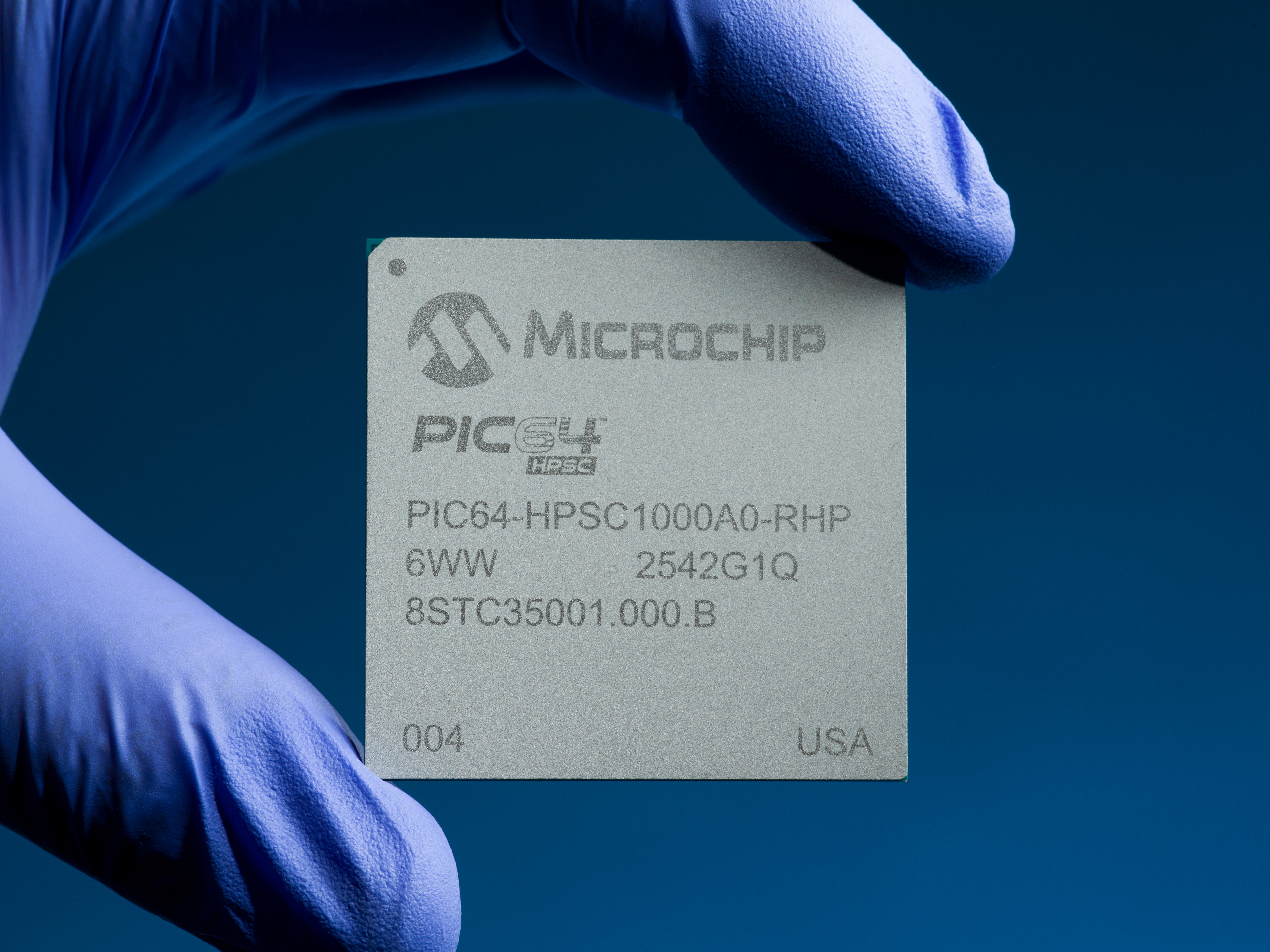
Space computing has come a long way since the early days of human spaceflight. Today, NASA and industry partner Microchip Technology Inc. have unveiled a new generation of processors designed to handle the increasingly complex demands of future missions. The High-Performance Spaceflight Computing (HPSC) project delivers a system-on-chip that offers over 100 times the computational power of current space processors, while also reducing cost and energy consumption. This breakthrough is set to revolutionize how spacecraft operate, from low Earth orbit to deep space.
From Apollo to Mars: A Legacy of Space Computing
Space computing originated in the 1960s with the Apollo Guidance Computers, which performed critical guidance, navigation, and control tasks during NASA's first Moon missions. For decades, radiation-hardened processors have been the backbone of exploration, enabling rovers on Mars, orbiters around other planets, and space telescopes that have transformed our understanding of the universe. These legacy systems have proven their resilience in extreme environments, but they are reaching their limits as mission complexity grows.
The Need for Greater Power and Autonomy
Next-generation missions—whether to the Moon, Mars, or beyond—will be longer and more ambitious. They will require greater computing power, enhanced autonomy, and improved resilience to operate without constant human intervention. Traditional space processors struggle to keep up with the demands of real-time data processing, autonomous navigation, and onboard decision-making. To address this challenge, NASA entered a public-private partnership with Microchip, combining agency expertise with commercial innovation.
High-Performance Spaceflight Computing: A New Architecture
The HPSC project is a next-generation system-on-chip that integrates computing and networking into a single device. This design dramatically reduces system cost and power consumption while delivering over 100 times the computing capability of current space processors. A key feature is its scalable architecture: unused functions can be powered down to optimize energy efficiency for critical operations, making it ideal for both short-term and long-duration missions.
Two Variants for Different Missions
The HPSC family includes multiple compatible technologies tailored to specific needs. The radiation-hardened version is built for geosynchronous, deep-space, and long-duration missions to the Moon, Mars, and beyond. It can operate in harsh radiation environments while supporting real-time autonomous tasks. Meanwhile, a radiation-tolerant version is designed for the commercial space sector, providing fault tolerance and cybersecurity for low Earth orbit satellites. This flexibility allows the same core technology to serve a wide range of applications.
Networking and Autonomy
Using advanced Ethernet connectivity, HPSC enables multiple sensors and chips to be clustered together, allowing spacecraft to process massive amounts of data onboard and make real-time decisions autonomously. For example, rovers could drive at higher speeds while filtering scientific images without waiting for commands from Earth. Continuous system health monitoring and an integrated security controller ensure these complex operations remain safe and reliable, even in the most demanding environments.
The Future of Space Exploration
The HPSC technology represents a nationwide public-private development effort anchored by NASA, Microchip, and a network of partners. By providing a scalable, efficient, and powerful computing platform, it paves the way for a new era of space exploration. From autonomous Mars rovers to real-time Earth observation satellites, the possibilities are vast. As NASA prepares for the next Moonwalk and journeys beyond, the HPSC will be at the heart of many missions, enabling capabilities that were once only imagined.
Related Articles
- Why Dropping the 3x Zoom Camera Could Hurt the Galaxy S27 Ultra for Photographers
- How to Assess the Atlantic Meridional Overturning Circulation (AMOC) Tipping Risk: A Step-by-Step Guide
- Understanding China's New Fossil Fuel Policy: A Step-by-Step Guide to the Guiding Opinions
- Your Step-by-Step Guide to Catching the May Triple Planet Spectacle
- 8 Shocking Truths About AI Chatbot Speed and User Perception
- NASA Appoints Brian Hughes to Lead Launch Operations Across Spaceports
- China's Climate Push: Strict Fossil Fuel Controls and Extreme Rainfall in Focus
- How NASA's Psyche Mission Captured Mars During Its Gravity Assist: A Step-by-Step Technical Breakdown