7 Reasons Why SiN Episodes: Emergence Was Gaming's Most Ambitious Failure
In May 2006, the gaming world witnessed a curious experiment: SiN Episodes: Emergence, a first-person shooter that promised to revolutionize how games were delivered. Backed by Valve and launched on Steam, it was meant to be the first of nine episodes set in the neon-drenched Freeport City. But only one ever saw the light of day. While history remembers it as a footnote, the story behind this title reveals a fascinating clash of old and new, ambition and reality. Here are seven key things you need to know about this forgotten piece of gaming history.
1. The Birth of Episodic Gaming
Episodic gaming wasn't a new concept—companies like Sierra had done it with adventure games in the 1990s—but by the mid-2000s, digital distribution made it a hot trend. Valve was pioneering this with Half-Life 2: Episode 1, and Ritual Entertainment wanted in. SiN Episodes: Emergence was their attempt to tell a continuous story in bite-sized chunks, releasing every few months. The idea was to keep players engaged, build anticipation, and generate ongoing revenue. However, the execution proved far more difficult than the hype suggested. Technical hurdles, shifting market expectations, and internal pressures quickly derailed the ambitious plan.
2. Valve's Unprecedented Backing
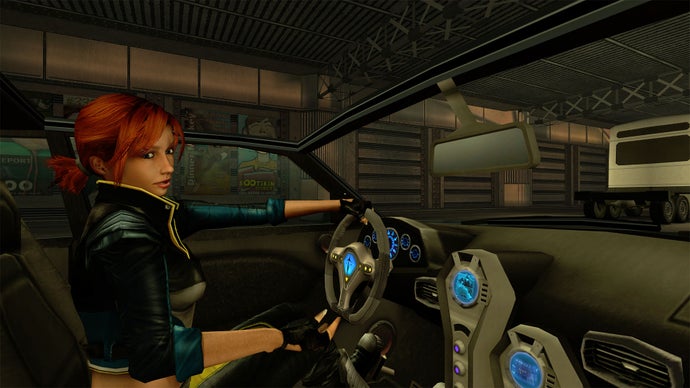
Gabe Newell himself publicly endorsed Ritual, stating in a launch-day press release that the studio was “leading the industry's long overdue migration to producing episodic content.” This wasn't just lip service—Valve provided development support and featured the game prominently on Steam. For a small studio like Ritual, such backing was a massive vote of confidence. Yet it also raised expectations to an almost impossible level. When the game launched just a month before Valve's own Half-Life 2: Episode 1, comparisons were inevitable, and Emergence struggled to stand on its own merits.
3. A Nine-Part Vision That Never Was
Ritual planned a nine-episode arc for SiN, continuing the story from the 1998 original. Emergence was only the first act, introducing protagonist John Blade as he investigated a deadly toxin. Cliffhangers and dangling plot threads were intentional—they were meant to hook players for the long haul. But after release, weak sales and a grueling development cycle forced Ritual to abandon the project. The full story of Freeport City remains untold, leaving fans with a fascinating but frustrating glimpse of what could have been.
4. The Pressure of a New Distribution Model
Steam was still in its infancy, and selling digital games required a different mindset. Ritual had to navigate retail expectations, downloadable content, and DRM while also meeting a quarterly release schedule. The old model of shipping a boxed product clashed with the new reality of constant updates. Moreover, the engine—a heavily modified version of the id Tech 4—was cutting-edge but buggy, leading to performance issues. This technological growing pain meant development took longer than anticipated, making the episodic timeline unrealistic.
5. When Marketing Meets Misrepresentation
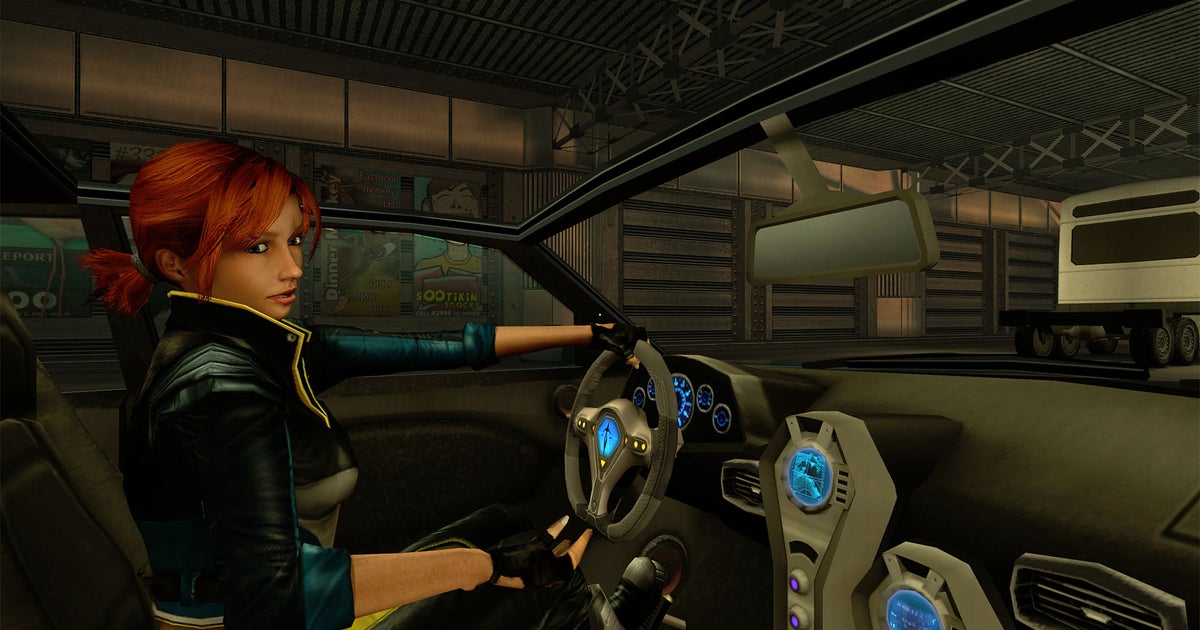
One of the most revealing anecdotes concerns a PC Gamer exclusive. Developers later admitted they “faked the shit out of” the screenshots for the magazine feature. They used high-end hardware, custom settings, and even posed scenes that weren't in the final game. This was common practice in the 90s, but by 2006, gamers were more discerning, and such deception eroded trust. When the actual game launched with lower visual fidelity, reviews and word-of-mouth suffered. It was a classic case of overpromising and underdelivering.
6. Caught Between Eras of Game Development
Emergence was a product of its time—a time when studios were transitioning from the Wild West of 90s development to the more structured, service-oriented approach of the 2000s. Ritual's team had roots in the shareware era, but they were trying to adopt modern production methods. This conflict showed in the game's design: physics puzzles reminiscent of Half-Life 2 sat alongside old-school boss fights and linear corridors. The result felt disjointed, and critics noted that it didn't excel in either the old or new paradigm.
7. The Legacy of an Abandoned Dream
Despite its failures, SiN Episodes: Emergence left a lasting mark. It served as a cautionary tale for the dangers of episodic content when the underlying infrastructure isn't ready. Yet, in its wake, developers learned valuable lessons about pacing, engine stability, and marketing honesty. Today, the game is a cult curiosity—a time capsule of a transitional period in gaming history. For those willing to dig through its quirks, it offers a fascinating look at a bold experiment that never quite caught fire.
In the end, SiN Episodes: Emergence is more than a footnote—it's a lesson. It shows that innovation often comes with risk, and that even the best-laid plans can crumble under pressure. But the story behind it reminds us that failure can be just as instructive as success, especially when it comes to shaping the future of interactive entertainment.
Related Articles
- Subnautica 2's Co-op Overhaul: 'Everything Became Harder' — Developers on Redesigning a Survival Classic
- Steam Deck OLED Audio Restoration: Linux 7.1 Kernel Fixes Long-Standing Bug
- Top 2-in-1 USB-C Cables: Convenience and Savings Under $25
- 8 Essential Facts About Magic: The Gathering's Reality Fracture Set
- AI Picks Spain to Win 2026 World Cup, Defying Fan Favorites France
- Interlaced 4K on a CRT Monitor: The Feasibility and Setup
- Stranger Than Heaven: Your Guide to the Yakuza Prequel's Surprising Cast
- Transforming Your PS5 Into a Linux Gaming Rig: Everything You Need to Know