Global Google Search Disruption: What Happened and What We Know So Far
Introduction
Earlier today, millions of users around the world encountered a sudden and unsettling problem: Google Search, the internet's most relied-upon gateway to information, simply stopped working. If you found yourself frantically refreshing your browser or even rebooting your router, you are not alone. However, there's good news: the issue was not on your end, and Google Search has since been restored. In this article, we break down exactly what happened, how users were affected, and what we know—and don't know—about the cause of the outage.
The Outage: What Users Experienced
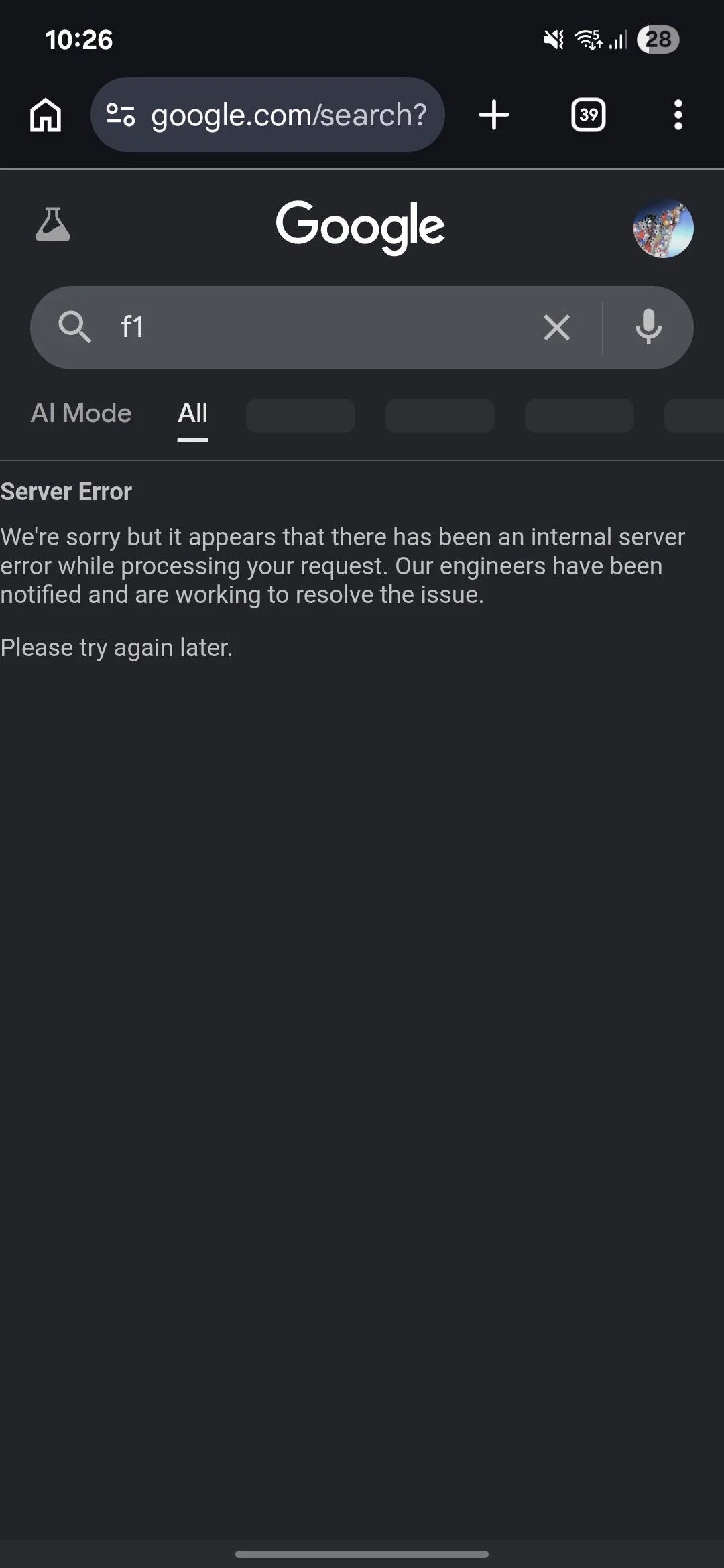
According to widespread reports from platforms like DownDetector and social media, the outage began affecting users around midday (UTC). When opening Google Search, many users saw error messages, blank pages, or extremely slow loading times. Some reported that queries returned no results or showed a generic apology screen. The issue appeared to be global, impacting users across North America, Europe, Asia, and other regions. Notably, other Google services like Gmail, YouTube, and Google Drive were generally unaffected, suggesting the problem was isolated to the Search infrastructure.
Timeline of Events
The disruption lasted approximately 45 minutes to an hour, with Google's engineering team likely working behind the scenes to identify and resolve the glitch. As of now, Google has not released an official post-mortem, but real-time monitoring tools showed a sharp spike in error reports starting around 14:00 UTC and tapering off by 15:00 UTC. Users gradually regained access, with full recovery confirmed by mid-afternoon.
Impact on Users and Alternative Search Tools
For many people, Google Search is the default way to find information, news, and answers. During the outage, productivity quickly ground to a halt for those who rely on it for work or study. Some users turned to alternatives like Bing, DuckDuckGo, or Yahoo, though many noted that muscle memory made the switch confusing. The outage also highlighted how dependent the internet ecosystem is on a single search engine. For webmasters and businesses that depend on Google traffic, the brief disruption may have caused revenue drops even after recovery.
Meanwhile, tech forums and social media exploded with speculation. Some users feared a cyberattack, while others wondered if the problem was related to a broader internet infrastructure failure. However, independent analysts quickly confirmed that the issue was confined to Google's own servers, not the global DNS or backbone networks.
Possible Causes: What Went Wrong?
As of this writing, Google has not disclosed the root cause of the outage. However, industry experts have pointed to several common possibilities for such disruptions:
- Configuration error: A misconfigured router or change in system settings could have caused search queries to fail or return no data.
- Server overload: While less likely given Google's robust infrastructure, a sudden traffic spike could have overwhelmed certain server clusters.
- Software bug: A recently deployed update to Google's backend may have introduced an unforeseen bug affecting search retrieval processes.
- Internal network issue: Problems within Google's internal networking stack, such as a failed load balancer, could have created a chain reaction.
Without official confirmation, these remain hypothetical. Google has historically released detailed transparency reports for major outages, so we may see a public explanation in the coming days.
Google's Response: Official Silence So Far
At the time of publication, Google has not issued a formal statement on the cause of the outage. The company did update its G Suite Status Dashboard (now part of Google Workspace) to note that a "service disruption" had occurred and that it had been resolved. However, the dashboard offered no specifics about what went wrong or what steps were taken to restore service. This silence is typical for short-lived incidents that do not impact critical services for extended periods. Still, after previous high-profile outages (such as the YouTube disruption in 2020), Google has gradually improved its communication with its user base.
Lessons for Internet Users: Building Resilience
While today's outage was short-lived, it serves as a reminder that no online service is infallible. Here are a few takeaways for users and businesses:
- Keep alternative search engines in mind: Bookmark a couple of backup options, such as DuckDuckGo or Bing, to use when Google is unavailable.
- Use monitoring tools: If you run a website or depend on Google Search for ad revenue, tools like DownDetector or Google's own Status Dashboard can alert you to disruptions.
- Avoid panic restarting your network: When search fails, first check if the issue is widespread by visiting status sites or social media. This saves time and frustration.
- Diversify your traffic sources: Content creators and online businesses should not rely entirely on Google Search for visitors; leveraging social media, email newsletters, and other channels can provide stability during search outages.
Conclusion: Back to Normal, but Questions Remain
Google Search is once again operational, and most users will have already moved on. But the event underscores the fragility of our digital infrastructure and the immense reliance on a single company for one of the internet's most fundamental tasks. While we await a detailed explanation from Google, the key takeaway for everyone is simple: your internet connection was fine—it was Google that faltered. Stay informed, stay prepared, and don't be afraid to try a different search engine next time.
This article was last updated on the same day as the outage. For more real-time technology news, check back often.
Related Articles
- 10 Engineering Secrets for Building a High-Performance Telegram Download Engine
- How iOS 26’s Phone App Transformed Calling with Two Game-Changing Features
- iOS 26: The Year After – Why the Real Story Isn't Liquid Glass but AI's Quiet Revolution
- Swift Package Manager to Replace CocoaPods as Default in Flutter 3.44 – Deadline Set for December 2026
- How to Prepare for the Rumored Next-Gen iPhone Pro with Quad-Curved Display
- Plex Price Increases Confirm Jellyfin as the Superior Self-Hosting Choice
- Decoding the Surprise: How Greg Mottola Could Reinvent Deathstroke and Bane for the DCU
- Your Complete Guide to Tuning Into Apple’s Q2 2026 Earnings Call Live