Navigating Geopolitical Signals: A Guide to Interpreting Jensen Huang's Omission from Trump's China Visit
Introduction
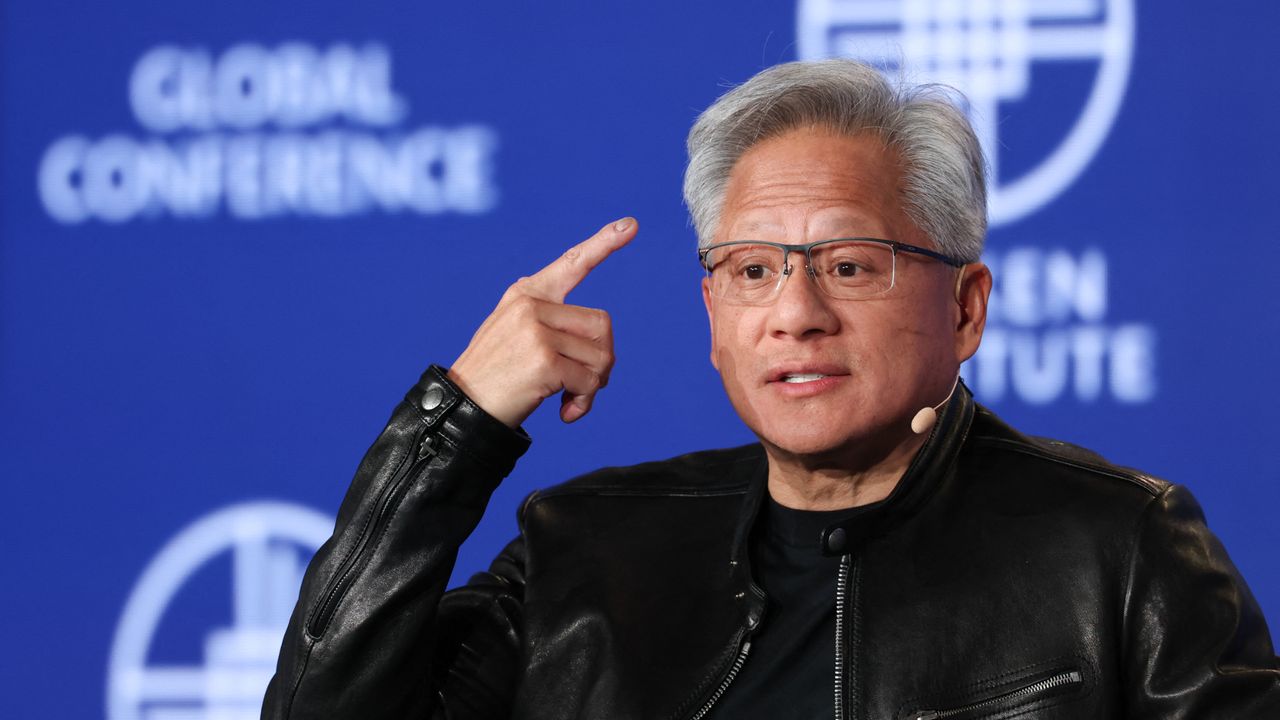
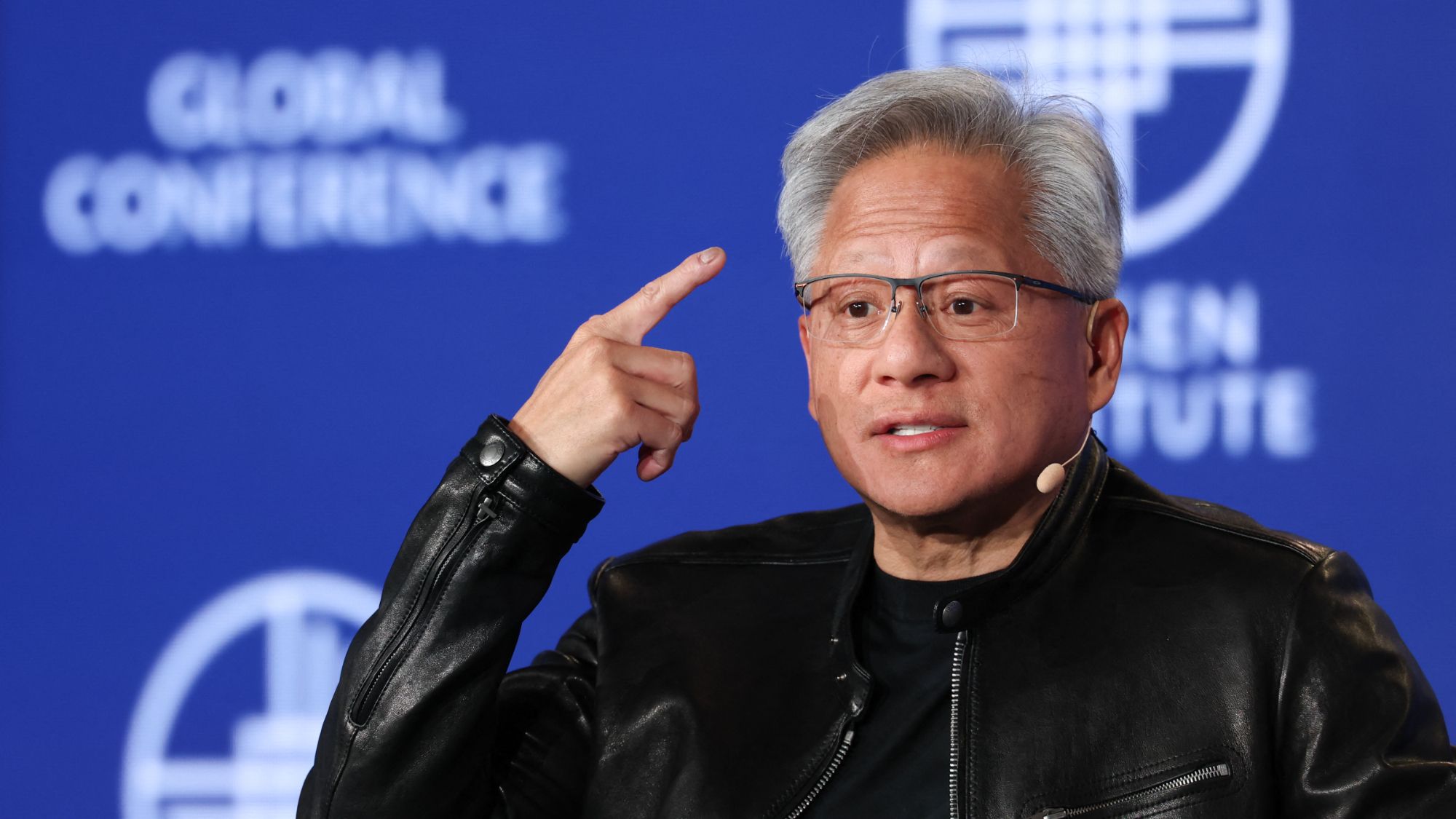
In a move that has rippled through tech and political circles, Nvidia CEO Jensen Huang was conspicuously absent from the roster of business leaders accompanying President Donald Trump on a state visit to China. Despite having joined Trump on multiple previous international trips, Huang's exclusion stands out—especially when figures like Apple's Tim Cook and Tesla's Elon Musk made the list. Analysts suggest this isn't a mere oversight but a calculated signal to Beijing that the United States remains steadfast in its policy of banning high-end chip exports to China. This how-to guide will help you decode the layers of meaning behind Huang's snub, understand the broader geopolitical context, and assess what it means for the semiconductor industry.
What You Need
- Background knowledge of U.S.-China trade tensions, especially around semiconductor technology.
- Access to recent news sources covering White House state visit rosters and export control policies.
- Understanding of Nvidia's business: its dominance in AI chips (e.g., H100, B200) and its reliance on the Chinese market.
- Familiarity with key players: Jensen Huang, President Trump, Commerce Secretary Gina Raimondo, and Chinese President Xi Jinping.
- Critical thinking skills to connect political gestures with policy signals.
Step-by-Step Guide
Step 1: Identify the Key Figures and Their Roles
Start by mapping who was invited and who was not. The invite list included Apple's Tim Cook (known for his diplomatic engagement with China) and Tesla's Elon Musk (whose company has significant manufacturing in Shanghai). Learn more about the roster. Huang’s omission is particularly notable because he had previously joined Trump on state visits to Japan, South Korea, and Saudi Arabia. Nvidia, under Huang, has become the world's most valuable chipmaker, primarily due to its AI accelerators. Understanding each individual's relationship with Beijing—Cook's smooth navigation of China policy, Musk's investments, and Huang's role as a target of U.S. export controls—provides the foundation for analysis.
Step 2: Examine the Timing and Recent History
Look at the sequence of events leading up to the visit. In October 2022, the U.S. Commerce Department imposed sweeping export controls on advanced semiconductors and equipment to China, specifically targeting Nvidia's A100 and H100 chips. Since then, the Biden administration (which preceded Trump's current term) tightened these rules further. Trump’s visit occurs amid ongoing negotiations over technology restrictions. Huang has publicly stated that export controls could permanently damage the U.S. tech industry. His exclusion from a trip meant to project American unity on trade likely underscores Washington’s reluctance to soften its stance.
Step 3: Interpret the Snub as a Policy Signal
Political scientists view guest lists as a form of strategic communication. By leaving Huang off the roster, the White House sends a dual message: to China, it says “We will not ease up on chip restrictions”; to domestic audiences, it signals that the president is not influenced by corporate pleas to relax rules. One expert quoted in the original story called it a “strong signal” to Beijing. To test this interpretation, cross-reference with official statements from the Commerce Department and White House press releases around the same time.
Step 4: Assess the Impact on Nvidia and the Semiconductor Sector
Consider how this exclusion might affect Nvidia’s business strategy. Huang had been lobbying for a carve-out for certain chips used in commercial AI applications, arguing that a total ban would cede the Chinese market to competitors like Huawei. With the snub, those lobbying efforts appear to have failed. Check Nvidia’s stock performance around the date of the visit announcement—markets often react to political signals. Also watch for any shift in Nvidia’s China-focused product lines (e.g., the “A800” chip designed to comply with export rules).
Step 5: Compare with Previous State Visits and Business Participation
Analyze past patterns. During Trump’s first term, he often brought a mix of executives from various industries to showcase American economic power. For example, the 2017 trade delegation to China included major agricultural and manufacturing CEOs. By contrast, the 2025 list for this visit appears more concentrated on consumer electronics and automotive leaders, deliberately excluding semiconductor CEOs. Compare this to Biden’s 2023 APEC trip, where Huang was included. The contrast highlights how each administration uses corporate participation to signal policy priorities.
Step 6: Consider the Broader Geopolitical Context
Place the snub within the larger U.S.-China tech war. In addition to semiconductor bans, the U.S. has restricted investments in Chinese AI, limited Huawei’s access to American software, and pressed allies like the Netherlands and Japan to tighten export controls. Huang’s absence may also be read alongside the recent blacklisting of several Chinese AI startups. The message is that the U.S. is committed to a decoupling in critical technologies, even if it means sidelining a company as prominent as Nvidia. For a deeper dive, see our context section below.
Tips and Further Insights
- Cross-verify sources: Don’t rely solely on one news outlet. Check reports from Reuters, Bloomberg, and Chinese state media for different angles.
- Monitor follow-up actions: Watch for any official White House statement explaining the invite list, and any public reaction from Nvidia or Huang himself.
- Look for diplomatic leaks: Sometimes off-the-record briefings from officials provide context—track Twitter accounts of tech and trade reporters.
- Watch the Chinese response: Beijing may retaliate by accelerating domestic chip production or by granting more subsidies to local rivals like Cambricon Technologies.
- Compare with industry peers: Advanced Micro Devices (AMD) CEO Lisa Su also faced similar export restrictions. Check if she was invited to state visits—her pattern may mirror Huang’s.
- Use economic modeling: Tools like trade dependency indices can quantify how much each company stands to lose from policy shifts. Nvidia’s revenue from China was approximately 20% of its total pre-restriction; that figure is now falling.
Additional Context: The U.S. Commerce Department’s “Entity List” now includes several Chinese semiconductor firms. The CHIPS Act of 2022 allocated $52 billion to boost domestic chip manufacturing, reducing U.S. reliance on Asian supply chains. These factors together create an environment where any perceived favoritism toward China—such as inviting a CEO who benefits from unrestricted exports—could be politically damaging for the White House.
By following these steps, you can move beyond the surface-level news and grasp the strategic calculations behind Jensen Huang’s exclusion. Whether you’re an investor, a policy analyst, or a tech enthusiast, understanding these signals is key to navigating the volatile landscape of U.S.-China technology relations.
Related Articles
- The Complete Guide to Matching Transistors for Reliable Circuits
- MPS 2026.1 Early Access: What’s New in the First Preview Release
- Intel's Crescent Island GPU Gains Major Linux Driver Boost for AI Inferencing
- 10 Reasons Why This $444 Off AMD Gaming PC Combo Is an Absolute Steal
- 5 Ways Dropping Ultra Settings Transformed My Mid-Range GPU Performance
- Intel Rushes Linux 7.2 Driver Updates for Crescent Island: 160GB AI Inference Beast Nears Launch
- Rust 1.97 to Require CUDA 11 and Volta GPUs for NVIDIA CUDA Target
- Reinforcement Learning at Scale: NVIDIA and Ineffable Intelligence Forge Partnership for Next-Gen AI Infrastructure