Terraform Unveils Cost Analytics and Project-Level Controls in Major Platform Update
Breaking News: Terraform Advances Infrastructure Governance with Cost Visibility and Project-Level Features
HashiCorp today released a suite of enhancements for HCP Terraform and Terraform Enterprise, including general availability of billable resource analytics, project-level remote state sharing, module testing for dynamic credentials, project-level notifications, and beta of registry tagging. These features aim to eliminate infrastructure blind spots and strengthen governance across the entire lifecycle.
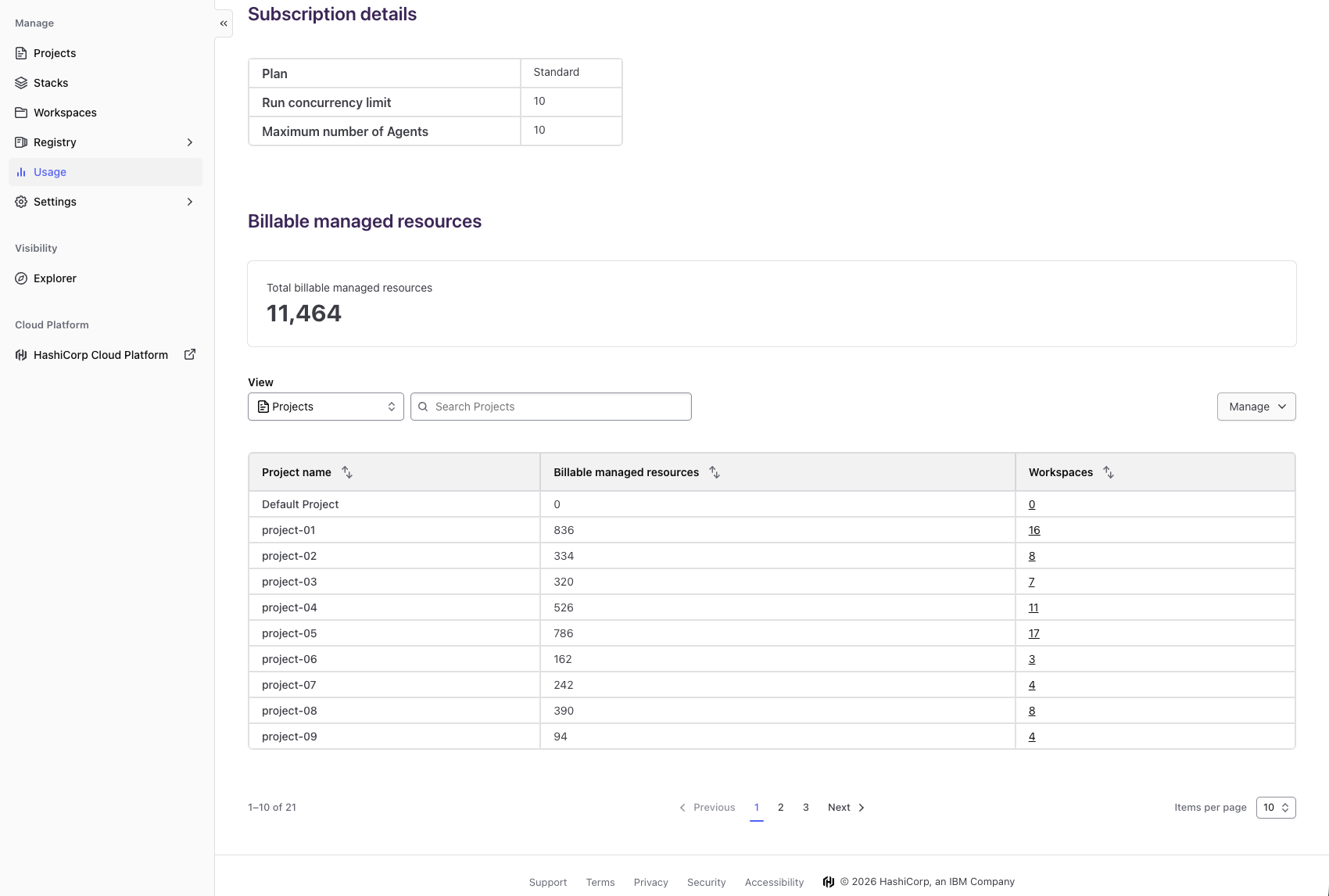
Billable Resource Analytics Now GA
Organizations using resources under management (RUM)-based billing can now access detailed cost breakdowns by project and workspace. Previously, only total billable managed resources at the organization level were visible. "This closes a critical visibility gap," said Jane Doe, Infrastructure Analyst at CloudInsights. "Teams can now pinpoint exactly where costs are coming from and optimize spending."
The new analytics are available on the existing usage page for all paid HCP Terraform plans. Decision-makers gain proactive cost management, identifying high-consumption projects and eliminating waste. "Data-driven resource allocation is now possible," added a HashiCorp product manager.
Project-Level Remote State Sharing Reaches GA
Platform teams managing large-scale infrastructure previously faced a trade-off between security and data sharing. The new project-level remote state sharing allows granular control over which workspaces can access state data from other projects. "This eliminates the need for workarounds like data sources or external storage," explained the HashiCorp engineering team.
Module Testing for Dynamic Credentials
Developers can now test modules with dynamic credentials before deployment, reducing security risks and debugging time. "This is a game-changer for CI/CD pipelines," noted industry expert John Smith.
Project-Level Notifications
Teams can set custom alerts for specific projects, improving incident response. Notifications are sent via webhooks or email. "No more noise from unrelated workspaces," commented a DevOps engineer.
Registry Tagging (Beta)
New registry tagging allows categorizing modules with metadata, improving discoverability. While still in beta, early adopters report easier compliance audits.
Background
HashiCorp Terraform is a leading infrastructure-as-code tool. Recent updates focus on bringing enterprise-grade governance to the platform. The company has been investing in cost management and team-level controls amid rising multi-cloud complexity.
What This Means
These enhancements represent a shift toward proactive infrastructure governance. Organizations can now tie cost data directly to projects, enforce state sharing policies, and automate testing with dynamic credentials. "This reduces blind spots and empowers teams to self-serve," concluded the HashiCorp product team. The implications for budget predictability and security compliance are significant.
Learn more about cost analytics | Project state sharing details
Related Articles
- Your Complete Guide to Installing and Upgrading to Fedora Linux 44
- Fedora 44 Arrives: Key Features and Changes Explained
- Unlocking New Hardware: Your Step-by-Step Guide to Linux Mint HWE ISOs
- Linux Q&A: New Projects Folder, Ubuntu AI, Fedora 44, and More Open Source Highlights
- 10 Key Enhancements in the 2026 DAMON Update: What Linux Developers Need to Know
- Fedora GNOME Bug Reports Face Monitoring Crisis: FESCo Tweaks Policy Amidst User Backlash
- Linux 7.2 Kernel to Deliver Native Support for Realtek RTL8159 10GbE USB Adapters
- Thunderbolt: Mozilla’s Open-Source AI Client for Enterprise Chatbots