How to Assess and Mitigate Hantavirus Risk in a Changing Climate
Introduction
As global temperatures rise and weather patterns shift, the habitats of virus-carrying rodents are expanding, particularly in regions like Argentina. Recent models indicate that hantavirus outbreaks could become more frequent as these animals move into new areas. Understanding this link is crucial for public health preparedness. This guide provides a step-by-step approach to assessing and mitigating the risk of hantavirus transmission in a changing climate, helping individuals and communities stay safe.
What You Need
- Knowledge of hantavirus transmission
- Access to local climate and rodent distribution maps
- Personal protective equipment (gloves, masks, goggles)
- Rodent-proof containers and sealing materials
- Disinfectants (bleach or EPA-registered virucides)
- First aid kit and emergency contact numbers
- Community alert system information (e.g., health department notifications)
- Field guide for identifying rodent signs (droppings, nests, gnaw marks)
Step-by-Step Guide
Step 1: Understand the Link Between Climate Change and Rodent Range Expansion
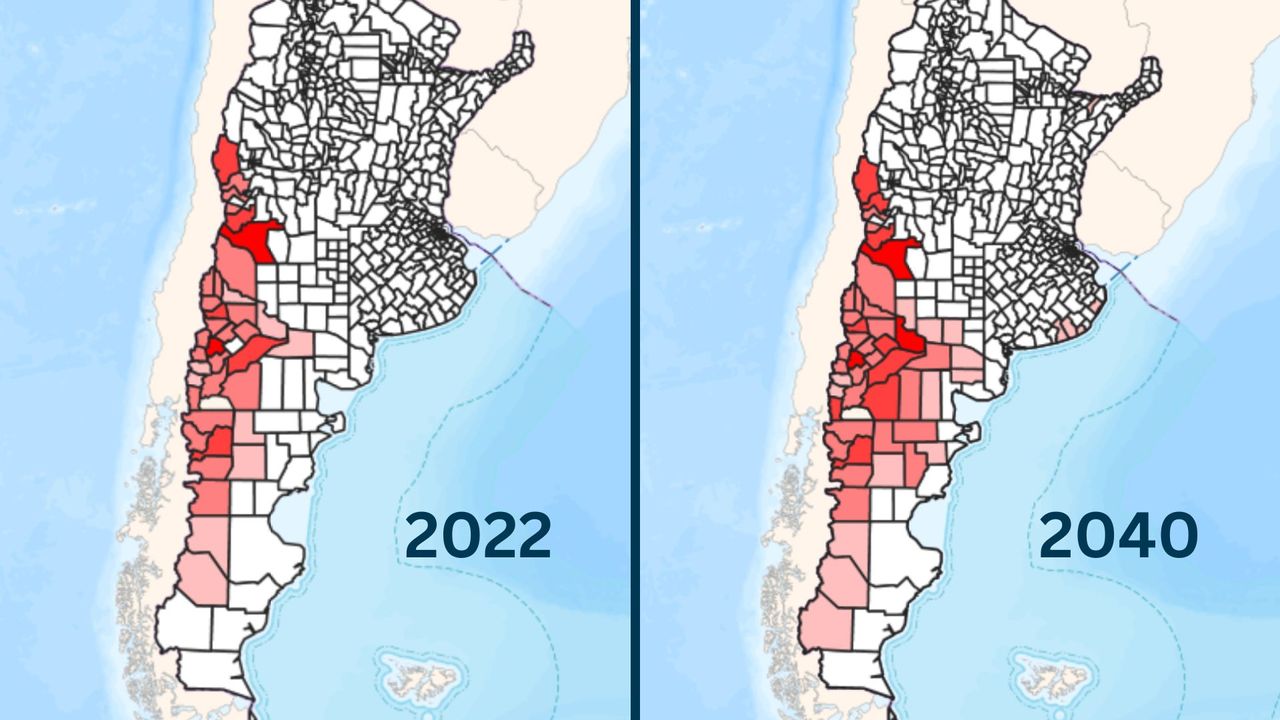
Hantavirus is carried primarily by rodents such as the deer mouse and rice rat. As climate change alters temperature and precipitation patterns, these rodents are forced to seek new habitats, often moving into human-inhabited areas. In Argentina, models predict that virus-carrying rodents will spread southward and to higher elevations. Familiarize yourself with this dynamic to recognize why risk zones are shifting.
Step 2: Identify High-Risk Areas Using Predictive Models
Consult updated ecological niche models like those developed by researchers in Argentina. These models combine climate data (temperature, rainfall) with rodent occurrence records to map future distributions. Look for regions where rodent habitats are expected to overlap with human settlements. Pay attention to seasonal peaks—often in spring and summer when rodent activity is highest.
Step 3: Recognize Signs of Rodent Infestation
Early detection prevents outbreaks. Check for:
- Droppings (small, dark, and rod-shaped)
- Urine stains (dried, white marks)
- Nests made of shredded materials (paper, fabric, insulation)
- Gnaw marks on wood, wires, or food containers
- Unusual rodent sightings during the day (normally nocturnal)
Conduct regular inspections of basements, attics, garages, and sheds.
Step 4: Implement Effective Rodent Control Measures
Seal entry points larger than 1/4 inch (6 mm) using steel wool and caulk. Store food in rodent-proof containers with tight lids. Remove debris, woodpiles, and dense vegetation near buildings. Use snap traps or live traps in areas with high activity—avoid glue traps as they can increase aerosolized virus risk. Always wear gloves and a mask when handling traps or cleaning droppings. Disinfect areas with a 10% bleach solution or EPA-registered virucide.
Step 5: Protect Yourself During Outdoor Activities
When camping, hiking, or working in areas with potential rodent habitats (e.g., fields, forests, abandoned buildings):
- Avoid disturbing rodent nests or carcasses
- Sleep on a cot or ground cloth to minimize contact with soil
- Keep food sealed and stored in rodent-proof containers
- Wear a mask (N95 recommended) in dusty environments
- Wash hands thoroughly after any outdoor activity
Step 6: Monitor Public Health Alerts and Symptoms
Stay informed through local health department notifications about hantavirus cases in your area. Know the symptoms: early signs include fever, muscle aches, fatigue, and headache; advanced stages involve coughing and shortness of breath (Hantavirus Pulmonary Syndrome). Seek medical attention immediately if you suspect exposure and develop symptoms within 1–6 weeks. Early diagnosis improves survival.
Tips for Long-Term Preparedness
- Integrate pest management with community efforts: coordinate with neighbors to reduce rodent habitats collectively.
- Track climate projections in your region and update risk assessments annually as models improve.
- Maintain clean surroundings—eliminate clutter and food sources year-round, not just during outbreaks.
- Educate children and elderly about avoiding contact with rodents and their droppings.
- Keep a hantavirus emergency kit with masks, gloves, disinfectant, and a list of emergency contacts.
- Remember: prevention is far more effective than treatment. By anticipating rodent range shifts, you can reduce the chance of hantavirus infection in a changing climate.
Related Articles
- Plant cAMP Signaling: Decoding the Dual Roles of a Key Messenger
- Cybercriminals Debut First Quantum-Safe Ransomware: Kyber Targets Enterprises with ML-KEM Encryption
- Unveiling the Cambrian Explosion: How a Fossil Bonanza Reshapes Our Understanding of Early Life
- Exploring Mars: Q&A on the Stunning New Panoramas from Curiosity and Perseverance
- Massive Cambrian Fossil Bonanza Unveils Dawn of Complex Life in Unprecedented Detail
- Drone Crash Triggers Major Wildfire in Chernobyl Exclusion Zone Amidst Complex Hazards
- Building a Practical Time Crystal Interface: A Step-by-Step Guide to Connecting Quantum Matter to Mechanical Oscillators
- Amazon WorkSpaces Empowers AI Agents with Secure Desktop Access for Legacy Applications