Googlebook: The Premium Android-Powered Laptop Challenging Apple and Microsoft
Google is making a bold move into the high-end laptop market with its new Googlebook, a premium alternative to traditional Chromebooks. Designed to compete directly with Apple's MacBooks and sleek Windows PCs, the Googlebook aims to offer a seamless experience for users deeply invested in the Android and Gemini ecosystems. Below, we explore the key questions surrounding this new device and what it means for the future of computing.
What Is Googlebook, and How Is It Different from a Chromebook?
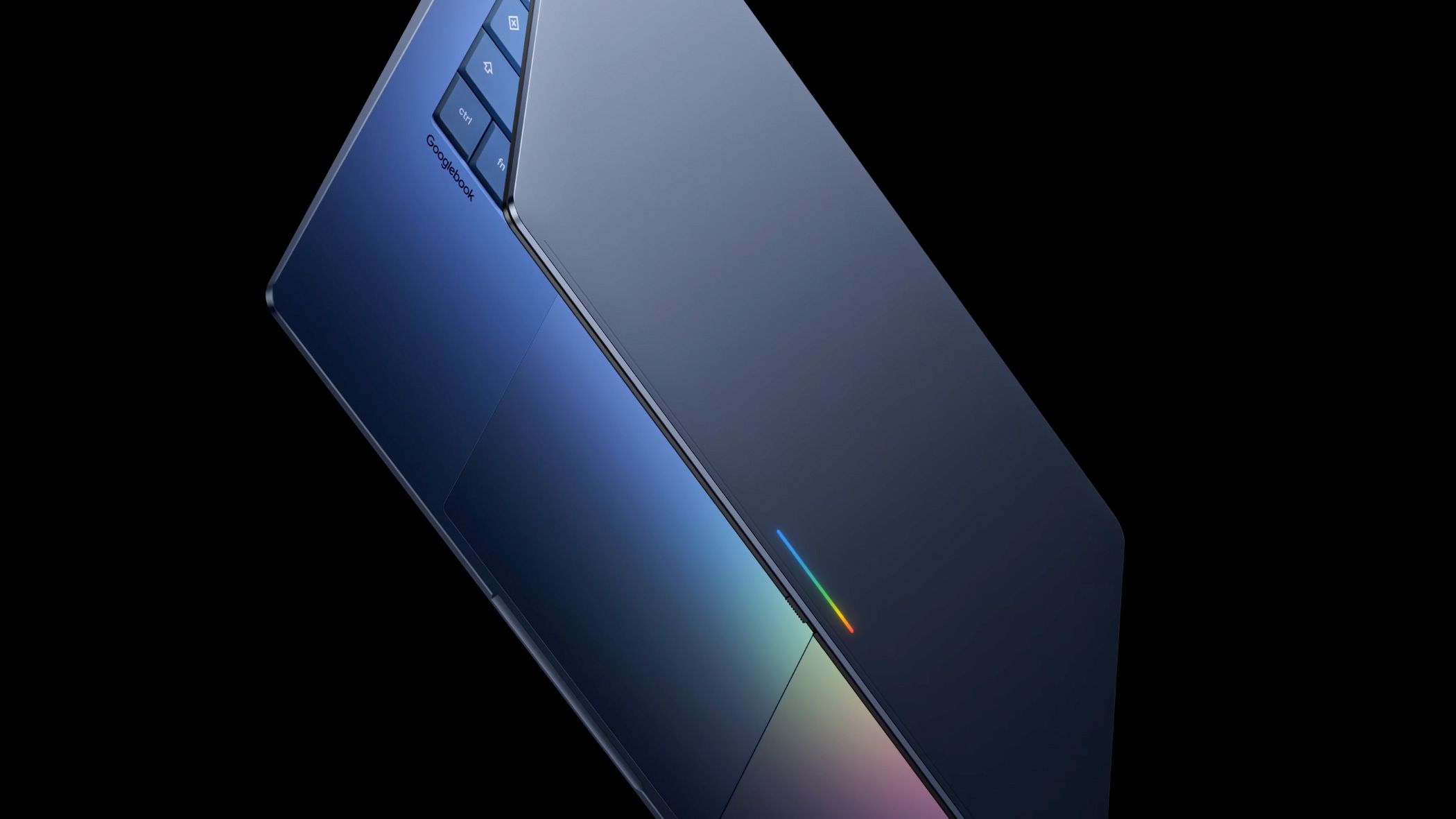
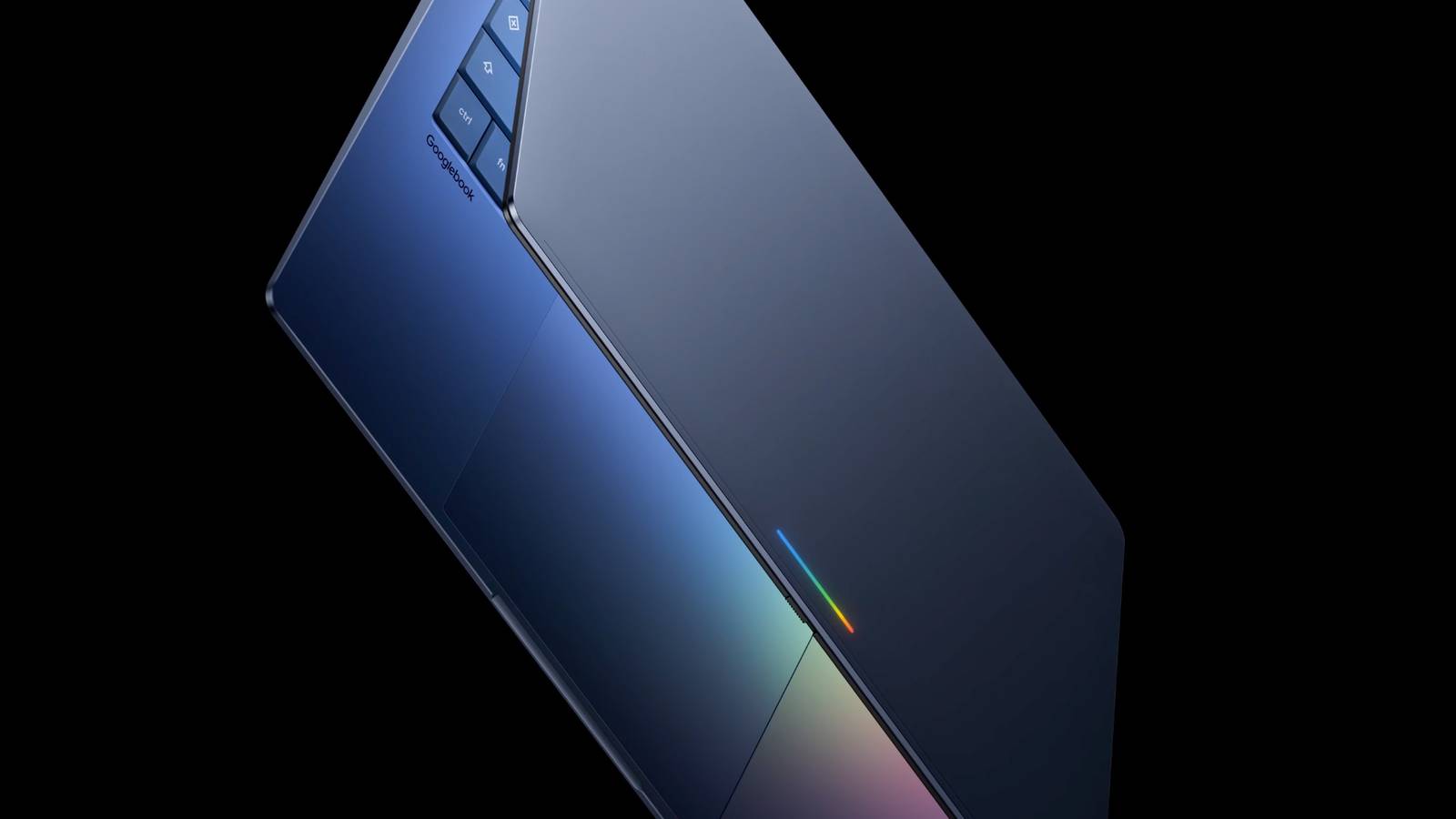
Googlebook is Google's premium tier of laptops that builds upon the foundation of Chromebooks but adds higher-end components and a more refined design. While standard Chromebooks are often budget-friendly and focused on simplicity, the Googlebook targets users who want a more powerful, stylish machine that can handle demanding tasks. It features faster processors, more RAM, higher-resolution displays, and a build quality that rivals MacBooks and premium Windows laptops. The key differentiator is its deep integration with Android apps and Google's Gemini AI assistant, making it the ideal choice for people who live within Google's ecosystem and want a seamless bridge between their phone, tablet, and laptop.
How Does Googlebook Compare to MacBooks and Windows PCs?
In terms of hardware, Googlebook is positioned directly against Apple's MacBook Air and Pro lines as well as premium Ultrabook-style Windows PCs from Dell, Lenovo, and HP. It offers similar build quality, high-resolution screens, and long battery life. However, the software experience is where Googlebook sets itself apart. Instead of macOS or Windows, it runs Chrome OS with enhanced support for Android apps and Gemini. This means users can run thousands of Android apps natively and leverage voice commands, smart suggestions, and AI-powered features that are tightly integrated with Google services. While it may not have the same breadth of professional software as Mac or Windows, it excels in simplicity, security, and cloud-based productivity.
Who Is the Target Audience for Googlebook?
The Googlebook is designed for users who are already deeply embedded in the Google and Android ecosystems. This includes people who use an Android phone, rely on Google Workspace for productivity, and frequently use Google Assistant or the newer Gemini AI. It also appeals to those who want a premium laptop without sacrificing the seamless synchronization they get with their Android devices. Students, creative professionals who work primarily in the cloud, and business users who need a lightweight, always-connected machine are ideal candidates. Essentially, if your digital life revolves around Google, the Googlebook offers a more polished and powerful experience than a standard Chromebook, while still feeling familiar.
What Advantages Does Googlebook Offer Over Standard Chromebooks?
Beyond better hardware, the Googlebook brings several advantages that justify its premium price. It typically includes faster SSDs, higher-resolution touchscreens with better color accuracy, and more RAM to handle multitasking with multiple Android apps. Build materials move from plastic to aluminum or magnesium alloy, giving it a more durable and luxurious feel. Additionally, Googlebook models often feature improved thermal management and larger batteries for all-day usage. On the software side, Google may offer exclusive features like enhanced Gemini integration, priority updates, and longer support windows. For developers, the Googlebook can also run Linux containers natively, opening up a wider range of tools. All this comes together to deliver a Chromebook experience that no longer feels like a compromise.
How Does Googlebook Integrate with Android and Gemini?
Integration is the cornerstone of the Googlebook experience. It runs Chrome OS, which already supports Android apps via the Google Play Store, but the Googlebook takes this further by optimizing performance for larger screens and keyboard/mouse input. Files, messages, and notifications sync seamlessly with your Android phone using Nearby Share and Phone Hub. The Gemini AI assistant is deeply embedded, allowing you to use natural language to control settings, search files, generate text, and even edit images. For example, you can ask Gemini to summarize a document or create a presentation from a few bullet points. The Googlebook also offers a feature called App Streaming, which lets you run Android apps from your phone on the larger screen without installing them directly. This level of integration makes the transition between devices virtually frictionless.
Why Is Googlebook Seen as a Late Response to Apple and Microsoft?
Apple has long offered a premium laptop experience with the MacBook, and Microsoft has partnered with manufacturers to produce high-end Windows devices like the Surface lineup. For years, Chromebooks were mostly budget-friendly or mid-range, leaving a gap at the top end of the market. The Googlebook finally fills that gap by providing a premium alternative that competes on design, performance, and ecosystem lock-in. While Apple and Microsoft solved the question of how to deliver a luxurious portable computer more than a decade ago, Google is now answering with a device that leverages its strengths in cloud computing, AI (through Gemini), and Android app compatibility. It's a strategic move to retain users who might otherwise migrate to a Mac or a high-end Windows laptop for their next upgrade.
Related Articles
- 10 Key Developments in Google’s Smart Speaker Revival with Gemini AI
- OpenAI Deploys 'Trusted Contact' Notification System for ChatGPT Users in Crisis
- Building Effective Governance for Autonomous AI Agents: A Practical Step-by-Step Guide
- How to Use AI to Recreate Your Mom's Perfectly Crispy-Sweet French Toast
- How to Get Started with Claude Opus 4.7 on Amazon Bedrock: A Step-by-Step Guide
- Mastering Prompt Engineering: 10 Essential Insights for Effective AI Communication
- 7 Major Announcements from AWS's 'What’s Next with AWS 2026' Event
- New Study Reveals the Brain's Memory Center Begins with Rich Neural Connections, Not a Blank Slate