How to Avoid a Storage Flop: Lessons from Iomega's Clik! Drive
Introduction
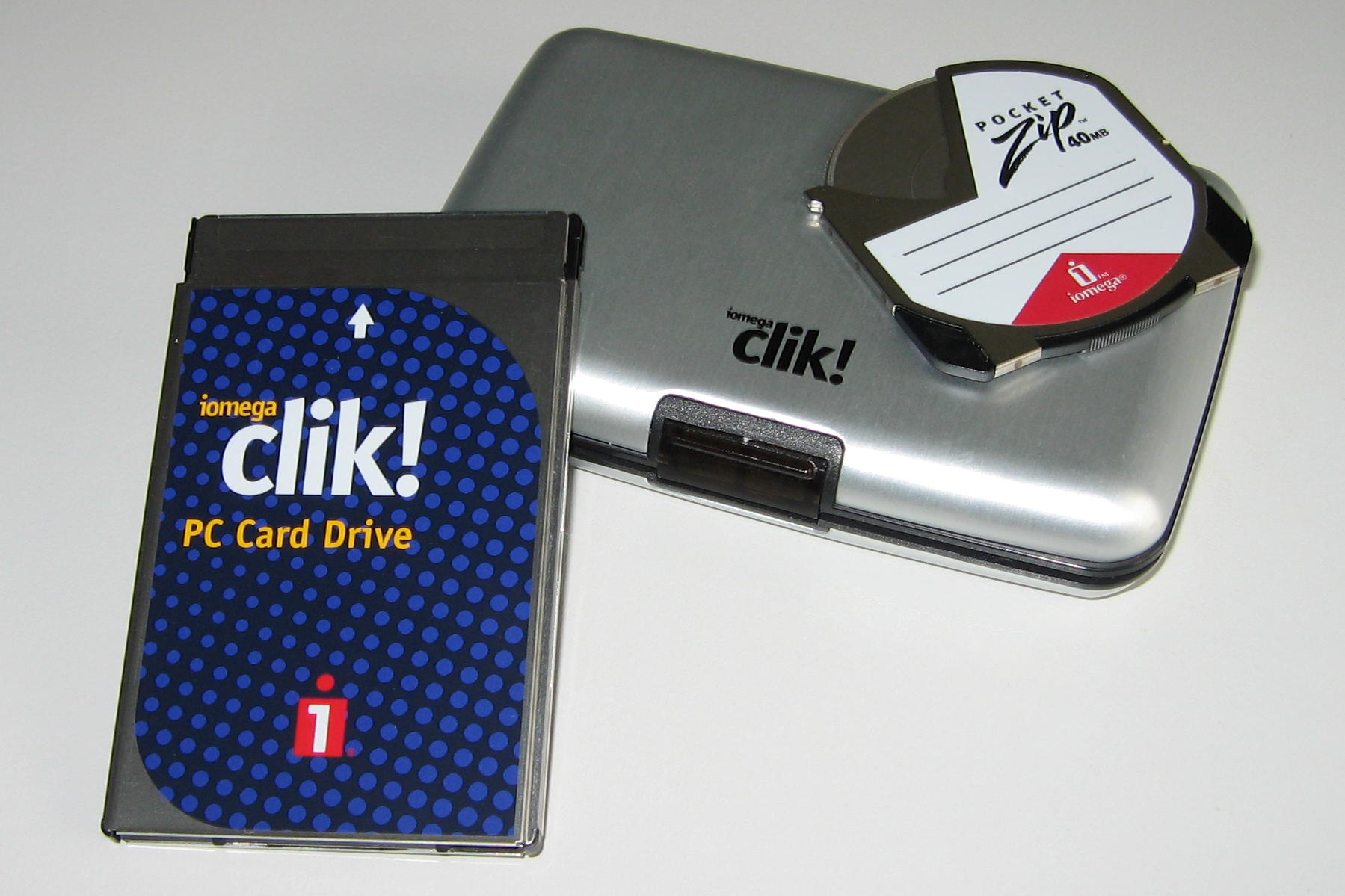
In the late '90s, tech enthusiasts witnessed a surge of experimental gadgets. Portable storage was a battlefield where floppy disks, CDs, and eventually flash drives emerged victorious. But not all contenders succeeded—Iomega's Clik! drive is a cautionary tale. With a cringe-worthy name and disastrous timing, it vanished almost as quickly as it appeared. By dissecting its failure, we can learn timeless principles for launching any product. This guide will walk you through the key steps to avoid the same fate, using the Clik! drive as our case study.
What You Need
- Historical awareness: A basic understanding of late-90s storage technology (floppy disks, CDs, early USB devices).
- Comparative mindset: Willingness to analyze product strengths and weaknesses.
- Patience: Learning from past mistakes takes time.
- Optional: Access to old tech magazines or online archives for context.
Step-by-Step Guide
Step 1: Choose a Name That Sells, Not Repels
The Clik! drive's name was one of its first and biggest mistakes. The word “Clik!” sounds like a cheap toy, not a serious storage device. It lacks professionalism and fails to convey reliability or capacity. When naming your product, avoid onomatopoeia unless it truly captures a core benefit (e.g., “Zip” for speed). Instead, opt for names that imply capacity, speed, or durability. For example, Iomega's own Zip drive succeeded partly because “Zip” suggests speed and efficiency. A name should be easy to remember, spell, and search—something Clik! definitely wasn't.
Step 2: Launch at the Right Time
Timing is everything. Iomega introduced the Clik! drive when floppy disks were still king and CDs were becoming mainstream. The market wasn't ready for a niche, high-capacity removable disk that required a dedicated drive. Worse, USB flash drives arrived shortly after, offering greater convenience without the need for a proprietary reader. Research your market cycle: if a disruptive technology (like flash memory) is already gaining traction, pivoting to an incompatible format is risky. Launch when your product fills a clear gap, not when the gap is closing. For Clik!, the gap was narrowing rapidly.
Step 3: Align Technology with User Habits
Consumers in the late '90s were used to floppy disks that were cheap, ubiquitous, and instantly readable in nearly any computer. The Clik! drive required a special drive connected via a parallel port—clunky and non-standard. To win adoption, your technology must reduce friction, not add it. Ensure your device works with existing infrastructure or provides a compelling enough advantage to justify the extra effort. The Clik! drive's 40 MB capacity was impressive then, but not enough to offset the inconvenience. Compare with the modern microSD card: it's tiny, fast, and works in almost all devices without extra hardware.
Step 4: Price It for Widespread Adoption
The Clik! drive and its disks were not cheap enough to be an impulse buy, nor premium enough to signal status. It fell into an awkward middle ground. A new storage format must be priced to encourage trial—ideally below the cost of alternatives per megabyte. Iomega's Zip drive succeeded partly because its disks were affordable enough for college students and small businesses. For Clik!, the disks were relatively expensive, and the drive itself was an added cost. When setting price, consider the total cost of ownership including necessary peripherals. Aim for a “razor-and-blades” model where the initial purchase is low, but consumables generate profit.
Step 5: Build an Ecosystem, Not Just a Gadget
The Clik! drive was a stand-alone product with limited support. It wasn't built into laptops, and few third-party accessories existed. Contrast this with flash drives, which were instantly compatible with USB ports already on computers. To survive, your product needs a supporting ecosystem: drivers, software, integration with popular operating systems, and partnerships with device manufacturers. Without this, even a great technology can be stranded. Iomega failed to secure widespread adoption from PC makers for the Clik! drive, while other formats like CD-RW had built-in drives in many PCs.
Step 6: Communicate Clear Benefits Over Existing Solutions
Why would someone choose a Clik! drive over a floppy disk or a Zip drive? The answer was never clearly communicated. The benefits (higher capacity than floppy, more portable than Zip) were overshadowed by its flaws. Your marketing must highlight a single, compelling advantage that matters to your target audience. For example, if your storage is shock-resistant, emphasize that for travelers. If it's ultra-fast, show side-by-side transfer tests. For Clik!, the intended advantage of extreme portability (the drive was tiny) was undercut by the need for bulky cables and adapter cards. Make sure your benefit is real and easy to grasp.
Step 7: Test Market Timing with Early Adopters
Before a full launch, test your product with a small group of early adopters. This is where Iomega likely missed a chance. If they had given the Clik! drive to tech-savvy users in 1998, they would have heard feedback like: “I like the size, but where do I plug it?” and “Why not wait for USB?”. Early adopter testing can reveal fatal flaws early. Use beta programs, focus groups, or even crowdfunding campaigns to gauge interest and usability issues. Adjust accordingly before mass production. Clik! was rushed without enough real-world validation.
Tips for Success
- Don't underestimate branding: A silly name can kill a serious product. Test names with your target audience.
- Watch the technology curve: If a superior alternative (like flash memory) is in development, consider pivoting or partnering.
- Make compatibility a priority: The easier it is to integrate with existing systems, the faster adoption.
- Plan for generational leaps: The Clik! drive offered 40 MB; within two years, USB drives offered 256 MB at a lower price. Future-proof your capacity roadmap.
- Learn from history: Iomega's own success with the Zip drive should have taught them the importance of price, ecosystem, and name. They repeated mistakes with Clik!.
By following these steps, you can avoid the pitfalls that sunk the Clik! drive and create a product that stands the test of time. Remember: in the world of tech, good timing, a smart name, and user-centric design are not optional—they are essential.
Related Articles
- GitHub Overhauls Status Page with New Incident Classification and Per-Service Uptime Metrics
- Preparing Your Chromebook for the Googlebook Transition: A Step-by-Step Guide
- How to Evaluate a National Fuel Reserve Plan: A Step-by-Step Guide
- JetBrains Launches GoLand 2026.2 Early Access Program with New Performance Tools
- Remarkable Paper Pure: A New Black-and-White E Ink Tablet Without Color or Front Light
- How Confluent's Schema ID Shift to Kafka Headers Enhances Data Governance
- Dyna Software's Platform Copilot: Revolutionizing ServiceNow Configuration with Agentic AI
- 7 Crucial Lessons from Rebuilding GitHub Enterprise Server's Search for High Availability