GameHub Accused of Code Theft: Developers Speak Out
Breaking: GameSir's GameHub Emulator Hit with Code Theft Allegations
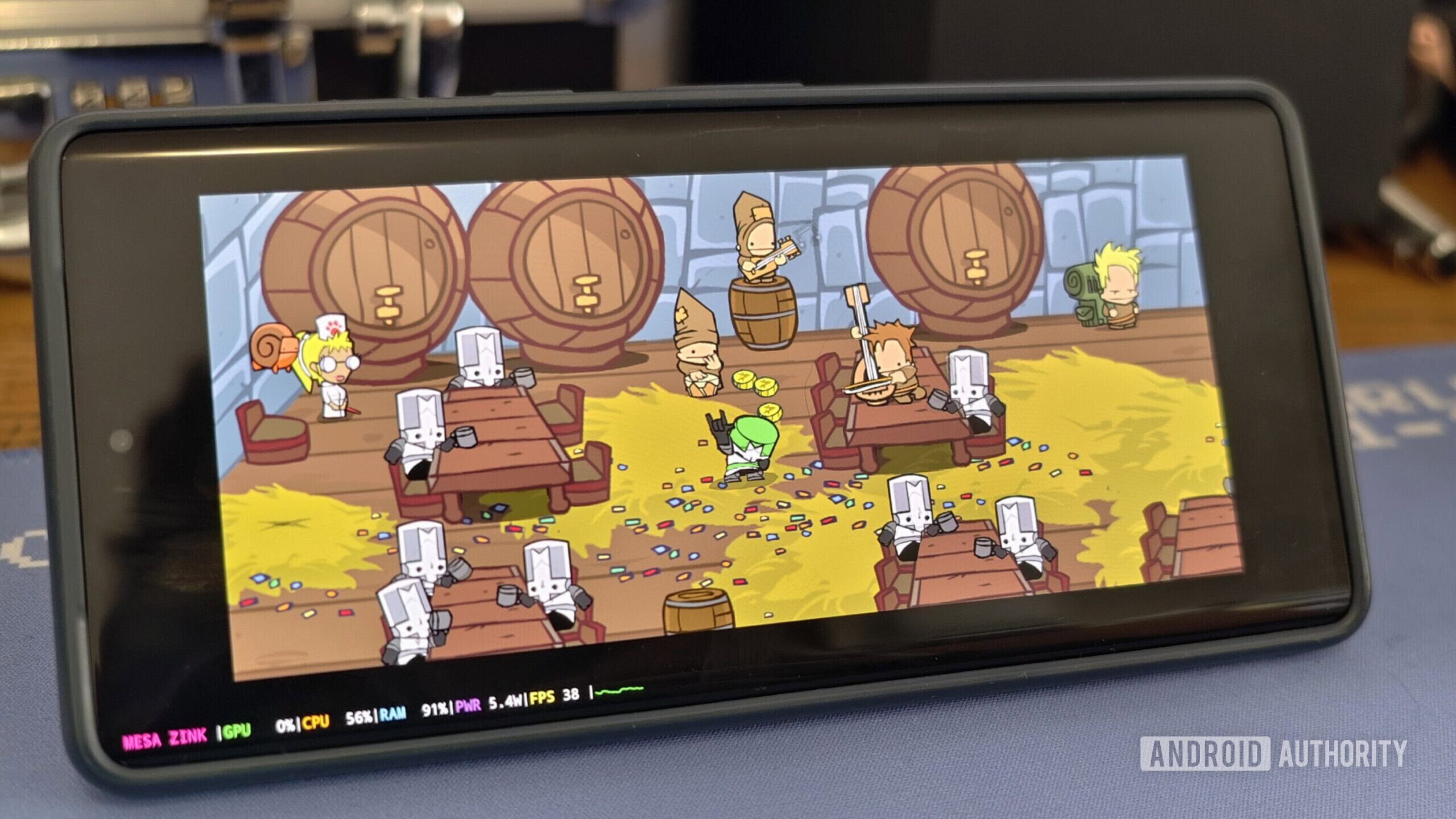
GameSir's popular GameHub PC gaming app for Android is under fire after multiple developers accused the company of copying their code without attribution. The allegations surfaced shortly after the release of GameHub v6.0, which promised major emulation improvements.
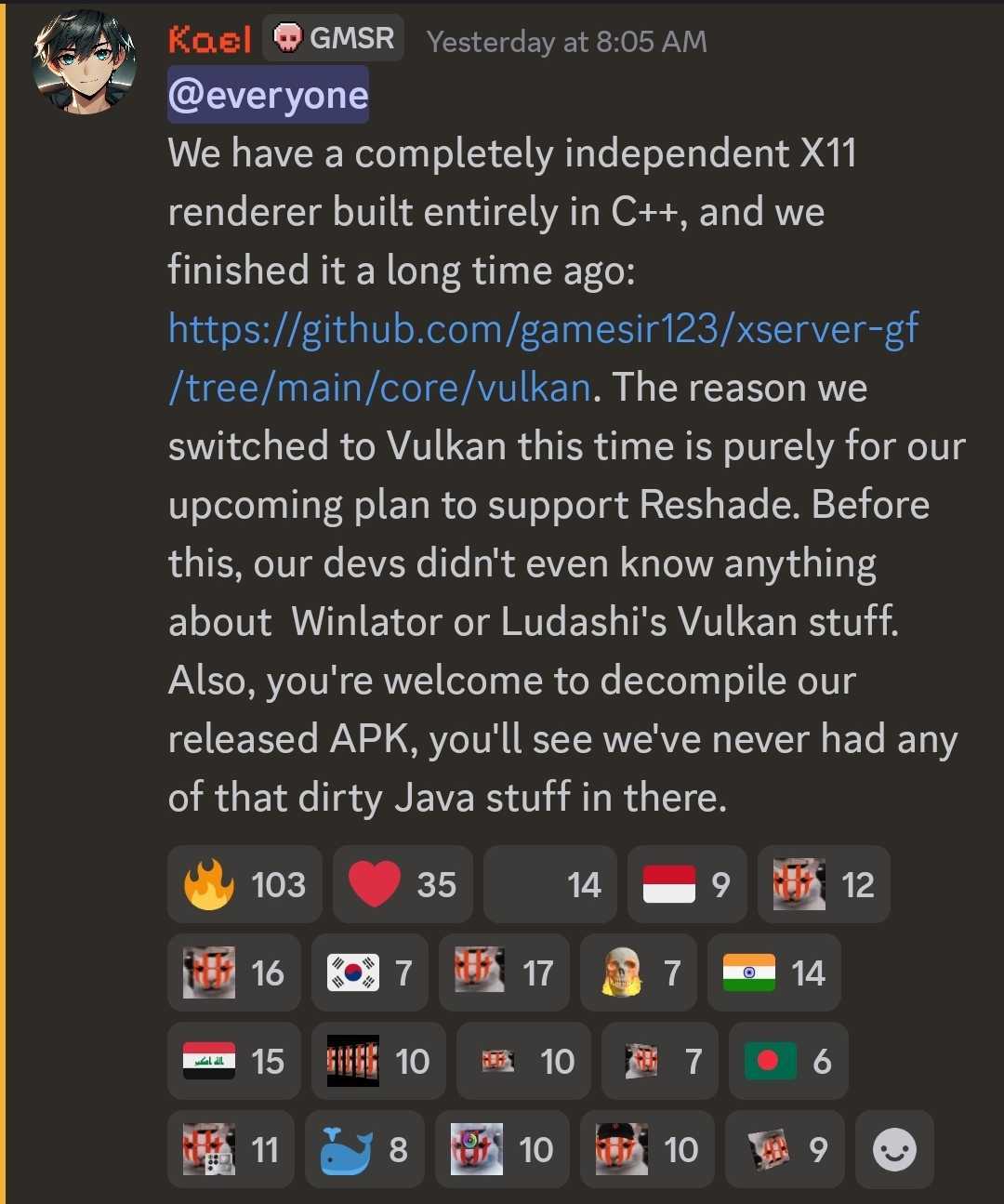
The first developer, who wished to remain anonymous, posted evidence on GitHub showing near-identical code blocks between his own open-source library released, which was not licensed for reuse, and GameHub's latest update. GameSir initially denied the claim in a public statement, calling it a "coincidence in implementation."
However, within hours, two other independent developers came forward with similar allegations. "I compared my Android NDK code to GameHub's binary; it's a 90% match," said developer "Alex Chen" in a dev.to comment. "They stripped my comments and added variable renames, but the structure is identical."
The controversy raises urgent questions about GameSir's development practices, especially after the company's previous Nintendo Switch emulator was mired in claims of stolen code. This is a developing story.
We have reached out to GameSir for further comment but have not received a response as of publication.
Quote from a Security Researcher
"Code theft is not just an ethical violation; it can introduce hidden vulnerabilities," warned Dr. Elena Vasquez, a mobile app security researcher at SecureMobile Labs. "Copying code without understanding its origin risks patent infringement, licensing breaches, and exploitable bugs. Developers who reuse code without attribution are gambling with their users' security."
Background: A History of Controversy
This is not the first time GameSir has faced accusations of intellectual property theft. In 2022, the company's Nintendo Switch emulator was widely condemned after forensic analysis revealed it contained code from open-source projects without complying with their license terms. The projects included popular emulators such as Yuzu and Ryujinx.
GameSir eventually removed the offending emulator from their website but never publicly apologized or acknowledged the copying. Many in the developer community saw that as a pattern of conduct. The current GameHub accusations suggest the company did not change its internal policies.
Open-source licenses, like GPL and MIT, require attribution and often mandate that derivative works remain open-source. Failure to comply can lead to legal action and loss of community trust. The developers now speaking out hope to enforce those standards.
What This Means for Users and Developers
For users of GameHub, the immediate risk is the possibility of malicious or unstable code from copied sources. If the copied code contains undiscovered bugs or backdoors, users' devices could be compromised. Security researcher Vasquez added: "Emulators have deep system access; compromised code could steal credentials or run unauthorized processes."
For the developer community, this case reinforces the need for clear attribution and license compliance. Several developers have already threatened to file DMCA takedown requests against GameSir if the allegedly copied code is removed. Others are calling for a public audit of GameHub's entire codebase.
Legal experts note that copyright law protects original code, even if it is not registered. "If GameSir is found to have copied substantial amounts of code without permission, they could face statutory damages and be forced to remove the app from stores," said intellectual property attorney Mark Ralston. "The damage to their reputation will be harder to fix."
GameSir declined to comment on the broader accusations. But the speed at which new evidence is emerging suggests this story will continue to escalate. We will update this article as more information becomes available.
In the meantime, users should consider alternative emulators with transparent development histories, such as Dolphin or PPSSPP, which have been vetted by the open-source community. This is a critical moment for accountability in mobile emulation.
Related Articles
- Artist Admits to Copying Work in Magic: The Gathering’s One Ring Card Art
- 5 Startling Facts About the Steam Controller’s Hidden Wilhelm Scream Easter Egg
- The End of an Era: Ask.com Shuts Down After Decades of Answering Questions
- AI Coding Agents Need Their Own Computers: Incredibuild's Answer
- Path of Exile 2's Return of the Ancients Overhauls Endgame: A Complete Guide for New and Returning Players
- Nintendo Slashes Switch 2 2027 Forecast Despite 19.86 Million in Sales
- How to Dive Into the Subnautica 2 Hype: A Guide to the New Teaser and May 14 Launch
- Unveiling the Leon Must Die Forever DLC for Resident Evil 9: A Roguelike Survival Challenge