Starship V3's Self-Inspection: What Makes Flight 12 Unprecedented?
SpaceX's next-generation Starship V3 megarocket is poised for its debut flight next week, marking a major milestone in the company's deep-space ambitions. This mission, designated Flight 12, will feature an innovative in-space maneuver never before attempted on a Starship mission: a thorough self-inspection. Below, we explore the key questions surrounding this groundbreaking event.
What Is Starship V3 and How Does It Differ From Previous Versions?
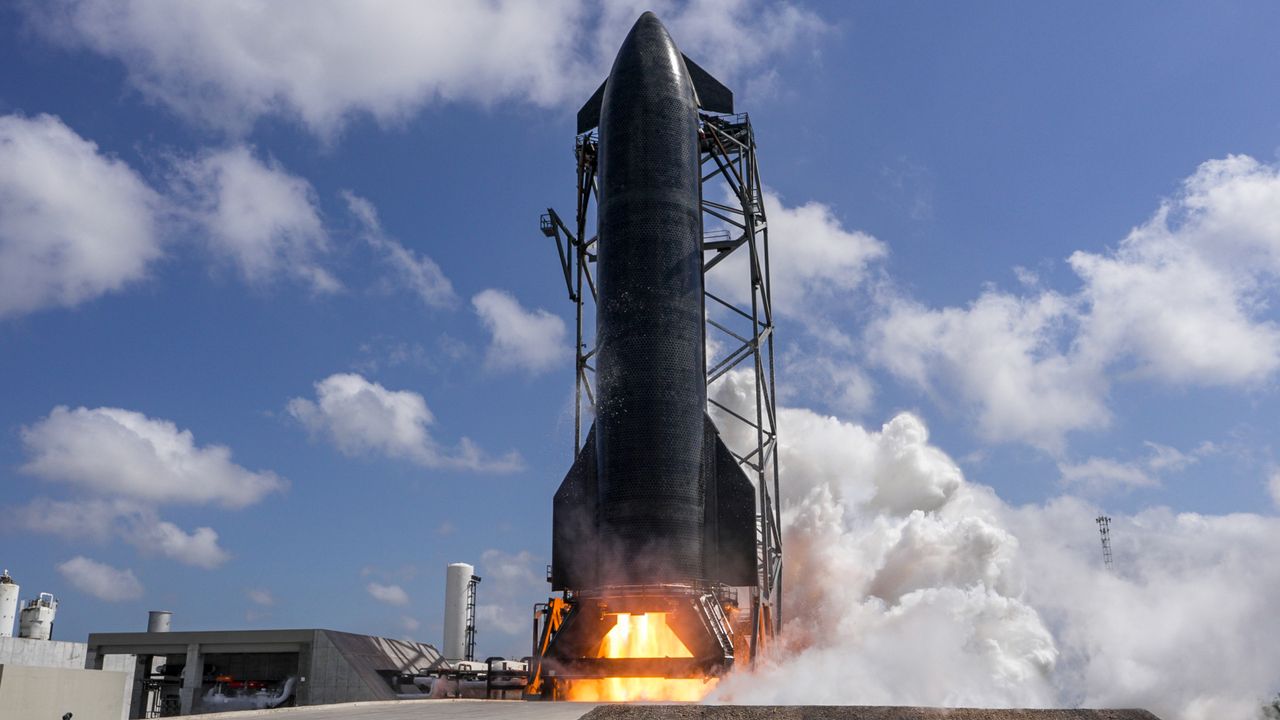
Starship V3 represents an upgraded version of SpaceX's fully reusable super-heavy-lift launch vehicle. Compared to earlier iterations, V3 incorporates enhanced thermal protection, improved Raptor engine performance, and structural refinements to withstand the rigors of orbital flight. While specific details remain proprietary, SpaceX has indicated that V3 includes advanced avionics and in situ sensor arrays designed to monitor vehicle health in real time. These upgrades are critical for the self-inspection capability that will debut on Flight 12, allowing the rocket to assess its own condition without ground intervention.
What Is the New In-Space Action Planned for Flight 12?
The headline feature of Flight 12 is an unprecedented self-inspection procedure. After reaching orbit, Starship V3 will execute a series of automated maneuvers—using thrusters and its own sensor suite—to visually and thermally scan critical surfaces, including heat shield tiles, flap hinges, and propellant lines. This process, often described as the rocket “taking a good look at itself,” aims to identify any damage or anomalies sustained during ascent. No prior Starship mission has attempted such an autonomous diagnostic check in orbit, marking a significant step toward operational reliability.
Why Is Self-Inspection Important for Starship's Future Missions?
Self-inspection capability is vital for Starship's long-term goals, particularly for deep-space missions where ground support is limited or delayed. By autonomously detecting defects—such as cracked tiles or structural stress—the vehicle can decide whether to proceed with mission objectives or abort. For example, on a Mars voyage, a quick self-check could differentiate between a harmless flaw and a catastrophic failure. This technology also reduces turnaround time on Earth, as ground crews receive precise data on needed repairs instead of conducting full manual inspections. Ultimately, self-inspection moves Starship closer to true airline-like reusability.
How Does Flight 12 Compare to Previous Starship Tests?
Earlier Starship flights—such as the high-altitude tests and the orbital attempts with V1 and V2 prototypes—focused on proving basic launch, reentry, and landing capabilities. Those missions often ended in explosions or controlled destruction before splashdown. Flight 12, however, shifts from proving survival to proving operational intelligence. While previous tests largely ignored detailed post-launch inspection, V3 will actively photograph and analyze its condition mid-flight. This transition from passive to active vehicle health management represents a conceptual leap, even if the physical risks remain high.
When Is Flight 12 Scheduled, and What Are the Risks?
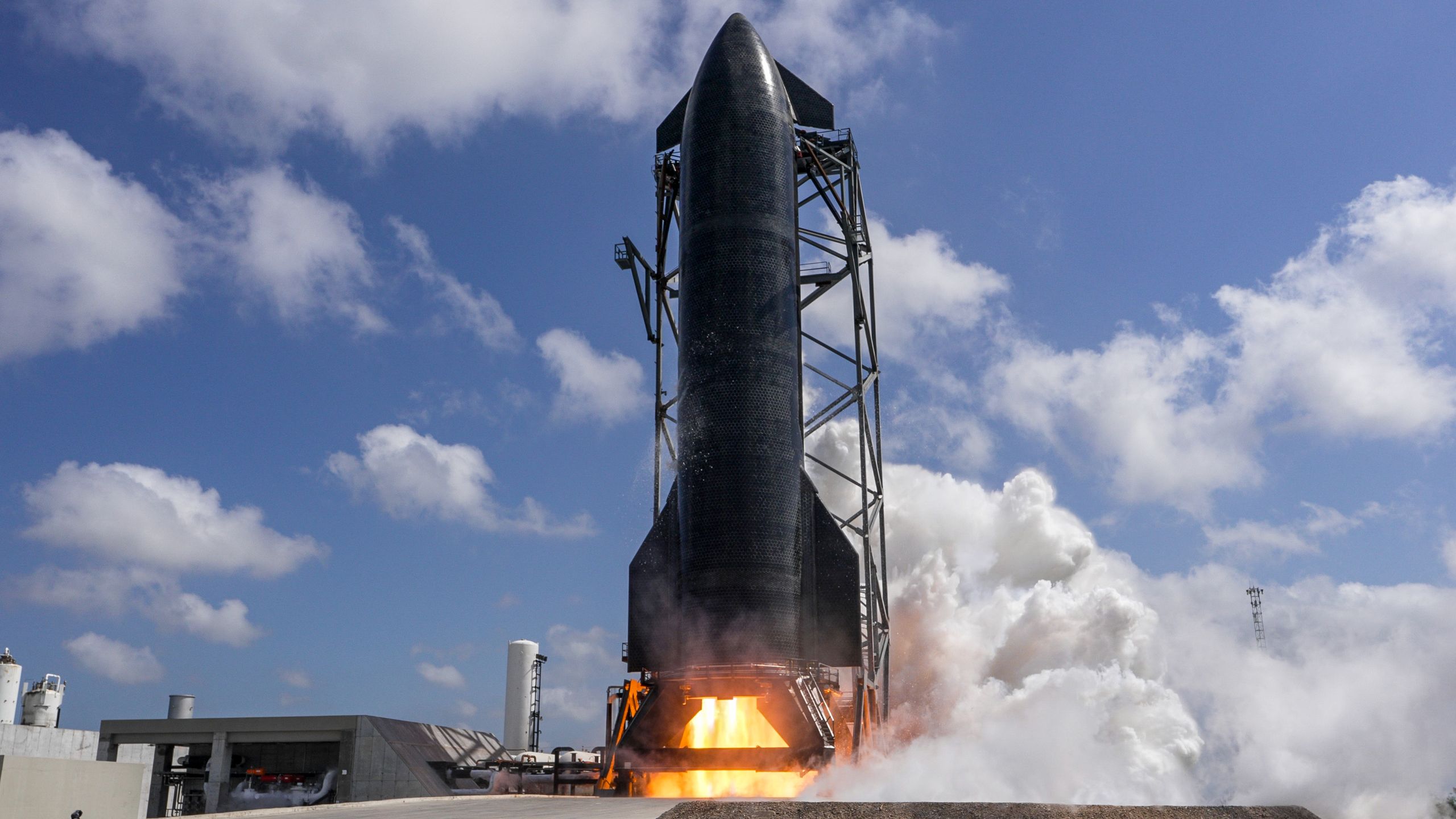
SpaceX has announced that Flight 12 could launch as early as next week, pending regulatory approvals from the FAA and favorable weather conditions at the Starbase facility in Texas. The primary risk lies in the self-inspection itself: the system must work flawlessly under vacuum and thermal extremes, and any misstep could scatter debris or trigger an unintended reentry. However, SpaceX has tested the inspection sensors in ground simulations and on earlier prototypes, giving engineers cautious optimism. If successful, Flight 12 will demonstrate a key building block for NASA's Artemis lunar missions and Elon Musk's Mars aspirations.
What Comes After Flight 12 for Starship V3?
If the self-inspection proves reliable, SpaceX will likely integrate the capability into all future Starship flights. The next major step is an in-space propellant transfer demonstration, followed by a full-duration lunar ascent test from the Moon's surface. Starship V3's enhanced performance also enables heavier payloads to geostationary orbit, opening commercial satellite deployment opportunities. Ultimately, the data from Flight 12 will refine autonomous diagnostics for the Starship fleet, paving the way for routine cargo runs to Mars in the late 2020s. Each successful self-check brings humanity closer to becoming a multiplanetary species.
Related Articles
- Quantum Teleportation Achieved Over 270 Meters: Photon State Transferred Between Independent Quantum Dots
- Greenland Ice Melt Accelerates Sixfold: Scientists Warn of Unprecedented Extremes
- 6 Ways Trump's Latest Move Is Shaking American Science to Its Core
- China's Climate Push: Strict Fossil Fuel Controls and Extreme Rainfall in Focus
- 8 Critical Facts About the Weakening Atlantic Ocean Currents You Need to Know
- Urban Microplastic Pollution: Why Better Runoff Data is Key to Prediction and Prevention
- 10 Breakthrough Facts About the Hidden Cancer-Fighting Compound in Tropical Plants
- Your Daily Coffee Routine: A Step-by-Step Guide to Reducing Dementia Risk