6 Fascinating Insights into the Roman Elite Woman Buried with Exotic Resins in Colchester
Archaeologists in Colchester have uncovered the burial of a high-status Roman woman, revealing a wealth of information about her life and death. Her grave contained a lead coffin, jet hairpins, and exotic resins—rare finds that offer a glimpse into the opulence and funerary practices of Roman Britain's elite. This listicle explores six key aspects of this remarkable discovery, from the significance of the lead casket to the mysterious resins that hint at far-reaching trade networks.
1. The Discovery: A Glimpse into Roman Colchester
Unearthed during routine construction work, this burial site quickly caught the attention of archaeologists. Located in Colchester, one of Roman Britain's most important settlements—known then as Camulodunum—the grave contained the remains of a woman who lived around the 3rd or 4th century AD. The find was extraordinary not just for its preservation but for the array of grave goods. Unlike typical Roman burials of the era, which often featured simple wooden coffins or cremation urns, this one stood out immediately. The lead coffin, a rare and expensive choice, hinted at a person of considerable means. The presence of jet hairpins and exotic resins only heightened the mystery, prompting a detailed examination that would reveal much about the individual's life and the society she belonged to.
2. The Lead Coffin: A Marker of Extreme Wealth
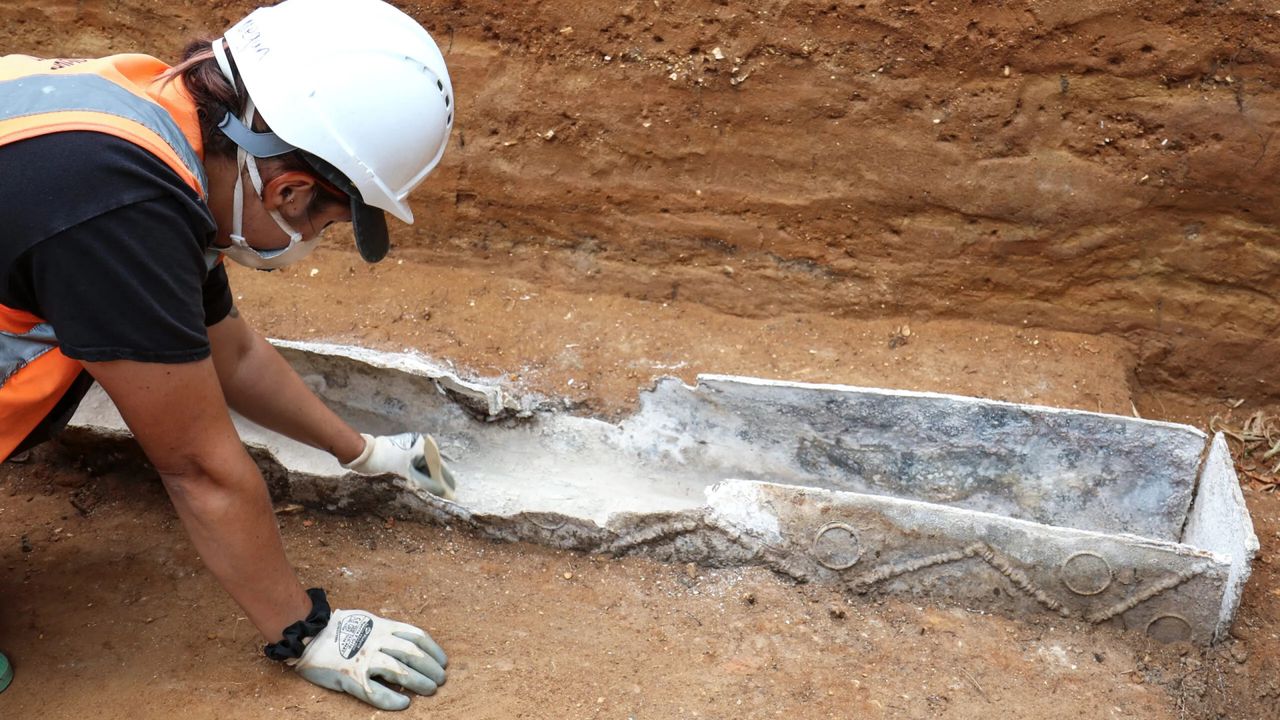
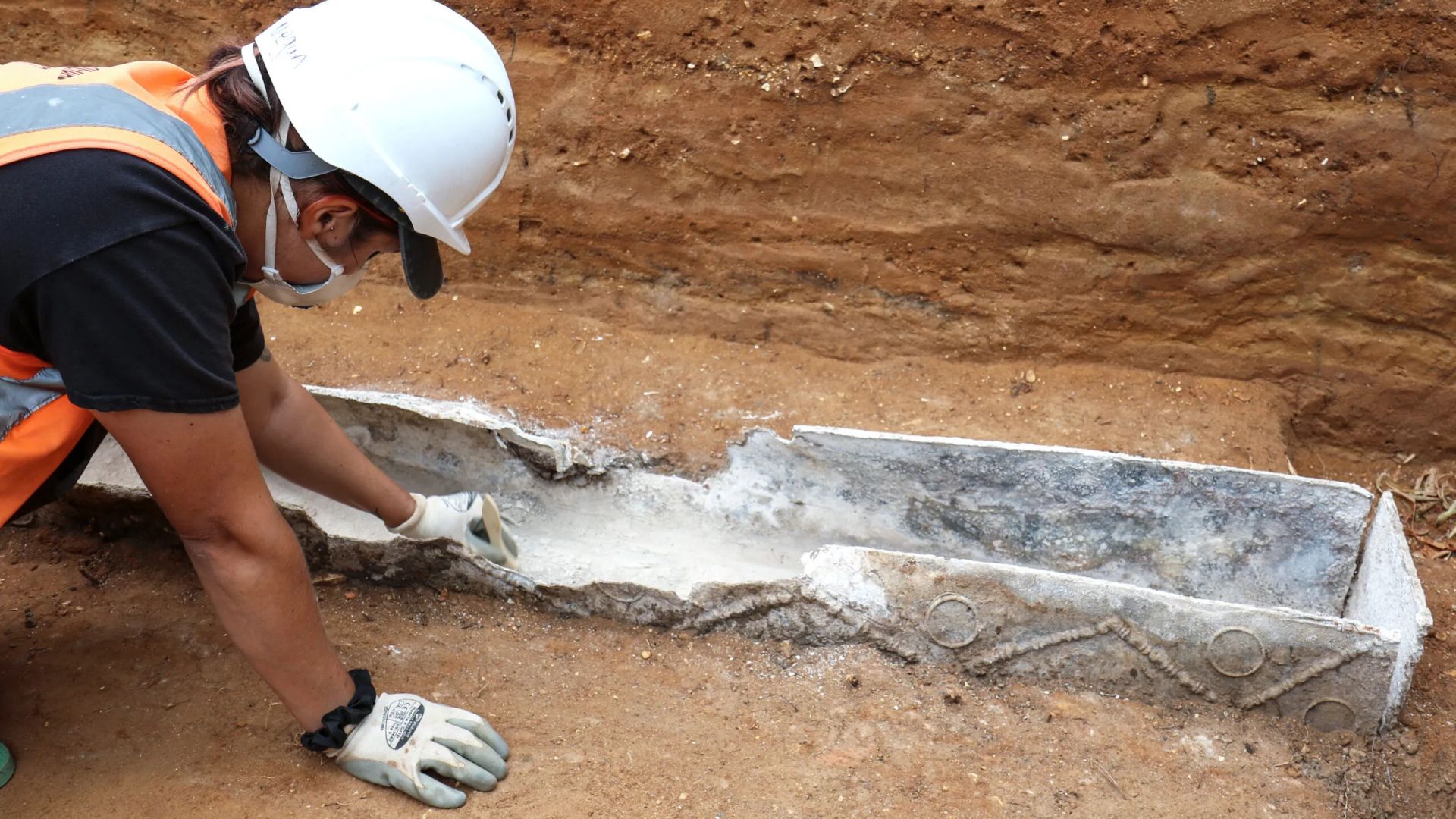
Lead coffins were not common in Roman Britain. They were a luxury reserved for the upper echelons of society, as lead was costly and required skilled craftsmanship to shape into a container for the deceased. This particular coffin was intricately made, with a lid that sealed tightly, preserving the contents remarkably well. The use of lead served a dual purpose: it signified status and also helped protect the body from decay, though in this case, the body had largely decomposed, leaving only the skeleton and artifacts. The coffin itself, with its heavy weight and metallic sheen, was a statement of wealth and permanence. It suggests that the woman's family could afford not just a burial plot but also a lavish containment that would outlast the elements, a stark contrast to simpler burials of lower-status Romans.
3. Jet Hairpins: Personal Adornment with Symbolic Meaning
Among the most personal items found were jet hairpins, carefully placed near the woman's skull. Jet, a dense black stone often associated with mourning and protection in Roman times, was a prized material. These hairpins were likely used to secure elaborate hairstyles, which were fashionable among Roman elite women. But their inclusion in the grave goes beyond mere decoration. Jet was believed to have apotropaic properties—warding off evil spirits—and was also linked to the afterlife. By placing them in her burial, the woman's family may have intended to provide her with both beauty and spiritual safeguard in the next world. The craftsmanship of the pins, with intricate carvings, further underscores her high status and access to skilled artisans.
4. Exotic Resins: Aromatic Evidence of Long-Distance Trade
Perhaps the most intriguing find was the presence of exotic resins within the coffin. Chemical analysis identified these as frankincense and myrrh, substances imported from the Arabian Peninsula and East Africa. In Roman culture, these resins were highly valued for their aromatic properties, used in religious ceremonies, embalming, and as luxury goods. Their appearance in a British burial indicates that trade networks stretched across the entire Roman Empire, reaching even the distant province of Britannia. The resins were likely placed in the coffin as offerings or to mask the smell of decay, symbolizing a connection to the divine and the exotic. This discovery highlights how globalized the Roman world was, even at its far edges.
5. The Woman Herself: Piecing Together Her Social Status
From the skeletal remains, archaeologists could determine that the woman was likely over 40 years old when she died, an advanced age for the time, suggesting she enjoyed good nutrition and healthcare—another indicator of high status. The wear on her teeth and bones showed minimal signs of manual labor, consistent with a life of privilege. Combined with the lavish grave goods, experts conclude she was a member of the local aristocracy, possibly a matrona (married woman) of a wealthy family. Her burial in Colchester, a bustling Roman colony, ties her to the urban elite who managed trade, governance, and cultural life. While her name remains unknown, the care taken in her burial reveals a woman who was deeply respected and mourned.
6. Broader Significance: What This Burial Tells Us About Roman Britain
This discovery is not just about one woman; it reflects the complex social and economic dynamics of Roman Britain. The presence of exotic items like frankincense and myrrh along with a lead coffin demonstrates that Britannia was fully integrated into the Roman world's trade and culture. It also shows that local elites adopted Roman funerary practices, blending them with indigenous customs. Furthermore, the meticulous burial rites underscore the importance of ostentatious display in cementing social status. Such finds help historians understand how power and wealth were expressed in the provinces, and they shed light on the daily lives of the upper classes. Every excavation like this adds a new chapter to the story of Roman Britain, revealing a society that was both deeply provincial and surprisingly cosmopolitan.
In conclusion, the burial of this high-status Roman woman in Colchester offers a unique window into the past. From the lead coffin to the exotic resins, each element tells a story of wealth, trade, and cultural exchange. As archaeologists continue to study the remains, we can expect even more insights into the life and times of this remarkable individual and the world she inhabited.
Related Articles
- KDE Plasma 6.6.5 Update Targets NVIDIA Performance Woes; Developers Push New Features for Plasma 6.7
- Why AMD Champions Open Architectures in the Space AI Race
- The Flame Malware and the Looming Quantum Threat: Cryptography on the Edge
- From Viral Puzzle to TV Sensation: A Step-by-Step Guide to Media IP Transformation (The Wordle Blueprint)
- 10 Key Insights Into GCC 16.1’s Performance Leap Over GCC 15 and the Tight Race With LLVM Clang 22
- 10 Reasons You Don’t Need a Separate Vector Database for AI
- Leaker Predicts Foldable iPhone Ultra Will Set New Standard for Repairability
- DeepMind Staff Vote to Unionize, Citing Concerns Over AI Use in Military Operations