6 Critical Takeaways from the Canvas Data Breach
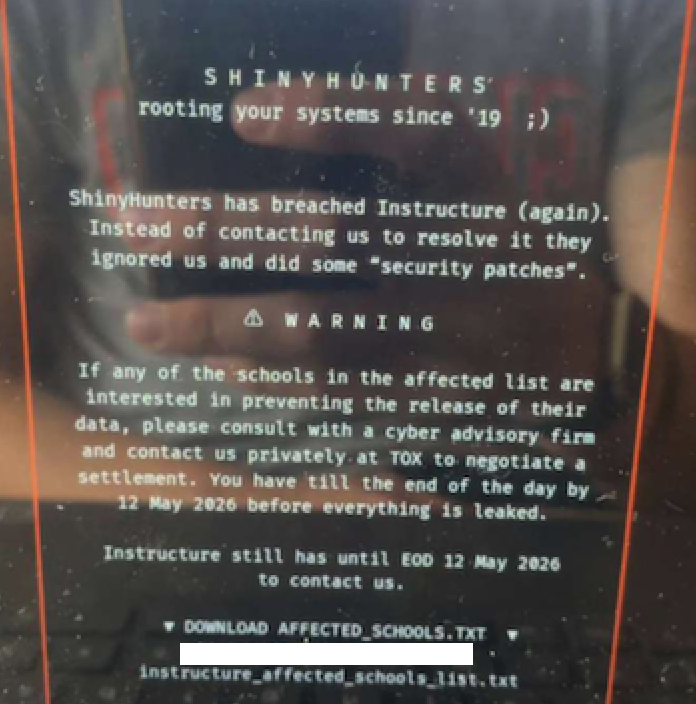
In early May 2025, a devastating cyberattack on the widely used education platform Canvas sent shockwaves through schools and universities across the United States. The breach, attributed to the cybercrime group ShinyHunters, culminated in a ransomware demand displayed on the login page, threatening to expose data from 275 million students and faculty across nearly 9,000 institutions. The incident forced Instructure, Canvas's parent company, to temporarily take the platform offline during a critical period of final exams. Here are six essential lessons from this attack that educational institutions and users must understand.
1. What Happened: A Massive Extortion Attack on Canvas
ShinyHunters, a cybercrime group known for targeting educational platforms, infiltrated Canvas and defaced its login page with a ransom note. The message demanded payment to prevent the leak of sensitive data—including private messages, names, email addresses, and student IDs—from millions of users. Instructure acknowledged the breach before the defacement, but the attack escalated when the group replaced the login portal with their extortion demand. This forced Instructure to pull Canvas offline, citing “scheduled maintenance.” The breach affected a vast number of institutions, highlighting the vulnerability of centralized education technology.

2. The Extortion Ransom and Its Unusual Timeline
Initially, ShinyHunters set a ransom deadline of May 6, but later extended it to May 12. The group threatened to release terabytes of stolen data, including billions of private messages and personal details, unless paid. The defacement urged affected schools to negotiate directly with the hackers, bypassing Instructure. This tactic put pressure on individual institutions, many of which lacked cybersecurity resources. The evolving deadline created chaos, as schools scrambled to assess their exposure while continuing to manage coursework.
3. Instructure’s Response and the Platform Outage
Instructure’s initial statement on May 6 claimed the incident was contained and Canvas was fully operational. However, by May 7, the defacement appeared, forcing the company to take the platform offline. The status page displayed a vague message about scheduled maintenance, leaving users frustrated. Many students and faculty turned to social media to report the ransom demand, eroding trust. This incident revealed a gap between Instructure’s early confidence and the severity of the attack, demonstrating the need for transparent and proactive communication during cybersecurity crises.
4. What Data Was Actually Stolen?
According to Instructure, the breach exposed “certain identifying information” such as names, email addresses, and student ID numbers, along with user messages. The company found no evidence that passwords, dates of birth, government IDs, or financial data were taken. However, ShinyHunters claimed to possess billions of private messages, phone numbers, and email addresses. Even if the data lacks high sensitivity, the aggregate risk is significant: phishing attacks, social engineering, and identity theft become easier when cybercriminals hold personal communications and contact lists.
5. Why the Timing Was Devastating for Schools
The breach occurred during final exam season, when students and faculty rely heavily on Canvas for submitting assignments, grading, and communication. A prolonged outage risked disrupting academic progress, delaying grades, and causing financial losses for institutions. For Instructure, this timing amplified reputational harm. Many schools had little fallback, exposing their dependency on a single platform. This attack serves as a stark reminder that educational technology must ensure redundancy and offline backup systems, especially during peak academic periods.
6. Key Takeaways for Schools and Users
First, institutions must implement multi-factor authentication and regular security audits to protect third-party platforms. Second, users should never reuse passwords across services and enable breach notifications. Third, schools need incident response plans that include communication protocols and offline alternatives. Fourth, cybersecurity training for faculty and students is essential to recognize phishing attempts. Fifth, evaluate contractual agreements with tech vendors to ensure data encryption and compliance with privacy laws. Lastly, maintain offline backups of critical academic data to avoid paralysis during outages.
In conclusion, the Canvas breach underscores the fragility of centralized digital infrastructure in education. While the immediate crisis may pass, the stolen data remains a long-term threat. Institutions must now invest in resilience, transparency, and user education to prevent future disruptions. This attack is a wake-up call that the digital classroom is only as secure as its weakest link.
Related Articles
- AI-Powered Malware Reaches Operational Maturity: January-February 2026 Threat Report Reveals New Cyber Risks
- Smarter Container Vulnerability Management: A Step-by-Step Guide to Using Docker Hardened Images with Mend.io
- From Click to Catastrophe: Understanding and Stopping Patient Zero Breaches
- Critical Linux Flaw 'CopyFail' Poses Widespread Risk to Servers and Devices
- NIST Overhauls Vulnerability Database: Most CVEs Will No Longer Get Full Enrichment
- Canvas Login Portals Targeted in ShinyHunters Extortion Blitz
- 7 Fascinating Facts About the PinkPad: From VTech Toy to Linux Laptop
- OpenAI Launches Daybreak: The Next Generation Cyber Defense Platform Challenging Anthropic's Mythos