Acasis FlowCore Series: Thunderbolt 5 Storage with Dedicated Bandwidth for Creators and AI Professionals
The Acasis FlowCore Series is the latest Thunderbolt 5 storage solution, purpose-built for demanding workflows in AI development and high-resolution media production. It delivers an unprecedented 80Gbps connection with independent bandwidth allocation per drive, ensuring each storage bay operates at full speed without interference. This Q&A breaks down the key features, target audience, and performance benefits of this innovative multi-bay enclosure.
What is the Acasis FlowCore Series?
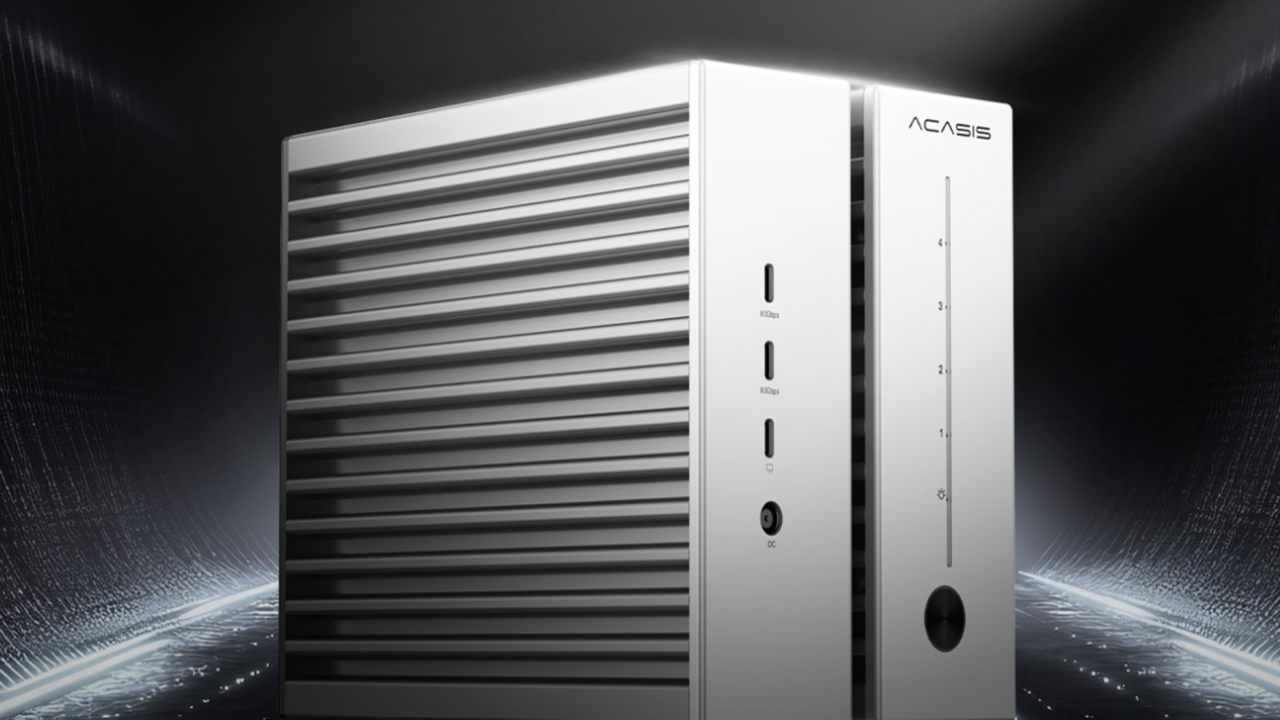
The Acasis FlowCore Series is a professional-grade Thunderbolt 5 storage enclosure designed for handling massive datasets. It supports multiple NVMe SSDs in a compact chassis, providing up to 80Gbps total throughput. The standout feature is its independent bandwidth per drive—each bay has its own dedicated PCIe lane, so reading or writing to one drive never slows another. This makes it ideal for 8K video editing, real-time AI model training, and other high-intensity tasks. Unlike traditional RAID arrays that share bandwidth, FlowCore ensures every drive operates at maximum potential simultaneously.
What makes Thunderbolt 5 different and how fast is it?
Thunderbolt 5 doubles the bandwidth of Thunderbolt 4, reaching speeds up to 80Gbps. For storage devices like the Acasis FlowCore, this translates to transfer rates that can saturate multiple high-performance NVMe drives. With independent per-drive bandwidth, users can achieve sequential read/write speeds exceeding 10,000 MB/s when using multiple SSDs. The interface also supports backward compatibility with Thunderbolt 4 and USB4, though at reduced speeds. The 80Gbps capacity is crucial for workflows involving large files—such as 8K ProRes RAW or AI training datasets—where every second of latency adds up.
Who is the Acasis FlowCore intended for?
The FlowCore Series targets professionals in two primary fields: AI developers and high-end video editors. AI developers need rapid access to terabytes of training data and model checkpoints; the independent bandwidth prevents bottlenecks when simultaneously reading multiple datasets. Video editors working with 8K+ footage require sustained throughput for real-time playback and rendering—traditional shared-bandwidth enclosures often choke under that load. Additionally, 3D artists, scientific researchers, and anyone managing large multi-drive arrays will benefit. The enclosure is built for hot-swappable NVMe drives, making it easy to swap projects without rebooting.
Why is independent bandwidth per drive so important?
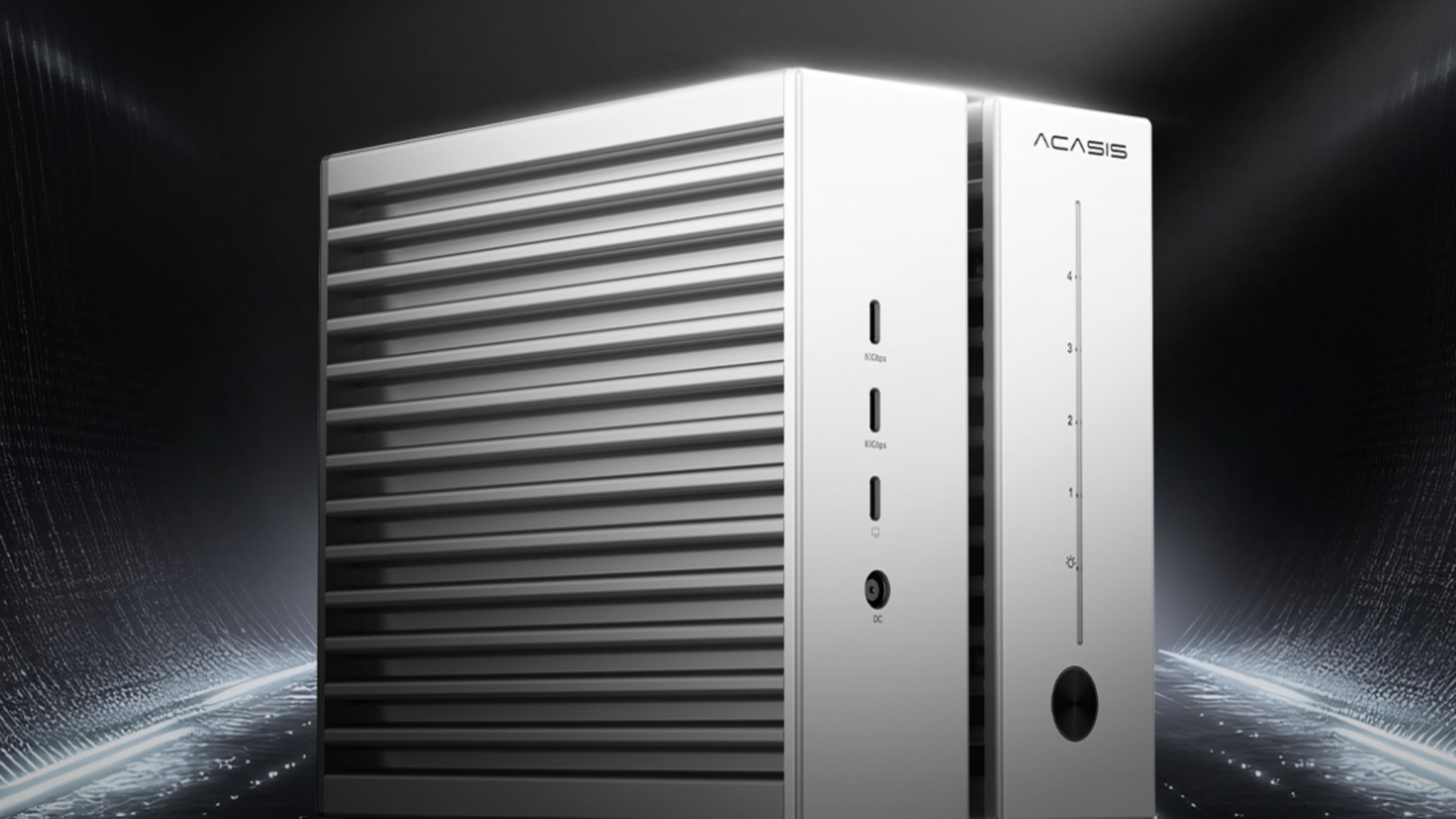
In conventional multi-bay storage enclosures, all drives share a single connection to the host computer. When you access multiple drives at once, the total bandwidth is divided among them, causing slowdowns. Independent bandwidth per drive, as featured in the Acasis FlowCore, allocates a dedicated Thunderbolt 5 lane to each NVMe slot. This means that writing to one drive at full speed doesn't affect the read speed of another. For example, an AI developer can simultaneously write model checkpoints to one drive while reading training data from another, each operating at full PCIe Gen4×4 performance. This eliminates I/O contention, drastically reducing wait times in multitasking environments.
How does this compare to Thunderbolt 4 storage solutions?
Thunderbolt 4 tops out at 40Gbps, and most enclosures use a shared controller that splits that bandwidth across all drives. With a four-bay Thunderbolt 4 enclosure, each drive effectively gets only 10Gbps. The Acasis FlowCore, by contrast, offers 80Gbps and dedicates that full speed to each drive. This results in up to 8× the per-drive bandwidth compared to typical Thunderbolt 4 arrays. For tasks like ingesting multiple camera cards simultaneously or running parallel AI inference, the performance gap is dramatic. Additionally, Thunderbolt 5 includes improved power delivery and DisplayPort 2.1 support, but FlowCore focuses purely on storage speed.
What setup and configuration options are available?
The Acasis FlowCore Series is designed as a plug-and-play solution, but it also supports advanced RAID configurations. Users can set up individual drives as separate volumes (JBOD) for maximum independent bandwidth, or combine them into RAID 0, 1, 5, or 10 through the host software. The enclosure features a tool-less drive bay mechanism and a built-in thermal management system with a quiet fan. Connection is via a single Thunderbolt 5 cable. There is also a daisy-chain port for connecting additional Thunderbolt devices. The included utility software allows monitoring drive health, temperature, and speed. Pricing and full compatibility details are expected upon official release.
Related Articles
- Declining US Fertility: Economic Pressures, Not Just Personal Choices
- The Musk vs. OpenAI Trial: Key Questions and Answers from the Roundtable Discussion
- How to Build an Enterprise AI Operating Model: A Step-by-Step Guide
- Cargo's New Build Directory Layout: A Call for Community Testing and Feedback
- Microsoft Launches Unified Python Environments Extension for VS Code After Year-Long Preview
- AI Agents Flunk Routine Tasks, UC Riverside Study Finds
- 6 Ways HashiCorp Vault is Transforming Security for AI Agents
- Google APAC Outage: What Happened and How Users Were Affected