Dreams on a Pillow: First Gameplay Reveal Unveils Poetic, Harrowing Nakba Narrative
First Gameplay Reveal Stirs Controversy and Emotion
Breaking: The first gameplay footage of the Palestinian pseudo-stealth adventure Dreams on a Pillow has been released, offering a raw, poetic glimpse into the 1948 Nakba. Developer Rasheed Abueideh confirmed the reveal during a second funding round, calling it an "emotional response" to the 2023 Gaza attacks.
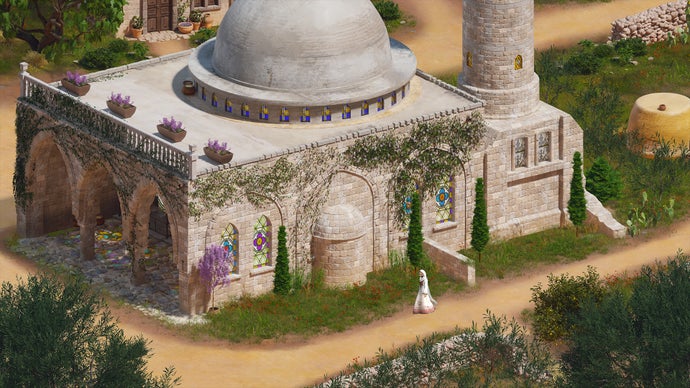
The game places players in the shoes of a displaced Palestinian family navigating violence and loss. "This isn't just a game—it's a memory I couldn't keep silent," Abueideh told PressWire. "Every mechanic echoes the fear of being erased."
Background: The Nakba and Its Digital Echo
The Nakba—Arabic for "catastrophe"—refers to the 1948 ethnic cleansing that forcibly expelled over 700,000 Palestinians from their homes. Dreams on a Pillow is set against this historical backdrop, weaving stealth and puzzle elements to simulate survival under occupation.
Abueideh, a Palestinian developer from Gaza, began work on the title in late 2024. The game's pseudo-stealth mechanics require players to avoid Israeli forces while collecting fragments of lost memories. "It's a counter-narrative to decades of erasure," said Dr. Leila K. Ahmad, a cultural historian at Birzeit University, who reviewed early footage.
What This Means: A Cultural Shift in Gaming
This reveal marks a rare instance of Palestinian storytelling reaching global gaming audiences. Analysts note that the game's emotional weight could humanize a conflict often reduced to statistics. "We're seeing a new wave of resistance through art," said gaming critic Omar Tarifi. "Games like this bypass traditional media filters."
The timing is critical. As the 2023 Gaza war continues, Dreams on a Pillow serves as a digital monument. "Every playthrough is a witness," Abueideh said. The upcoming funding round will determine if the full version reaches platforms like Steam.
Key Features Revealed in Footage
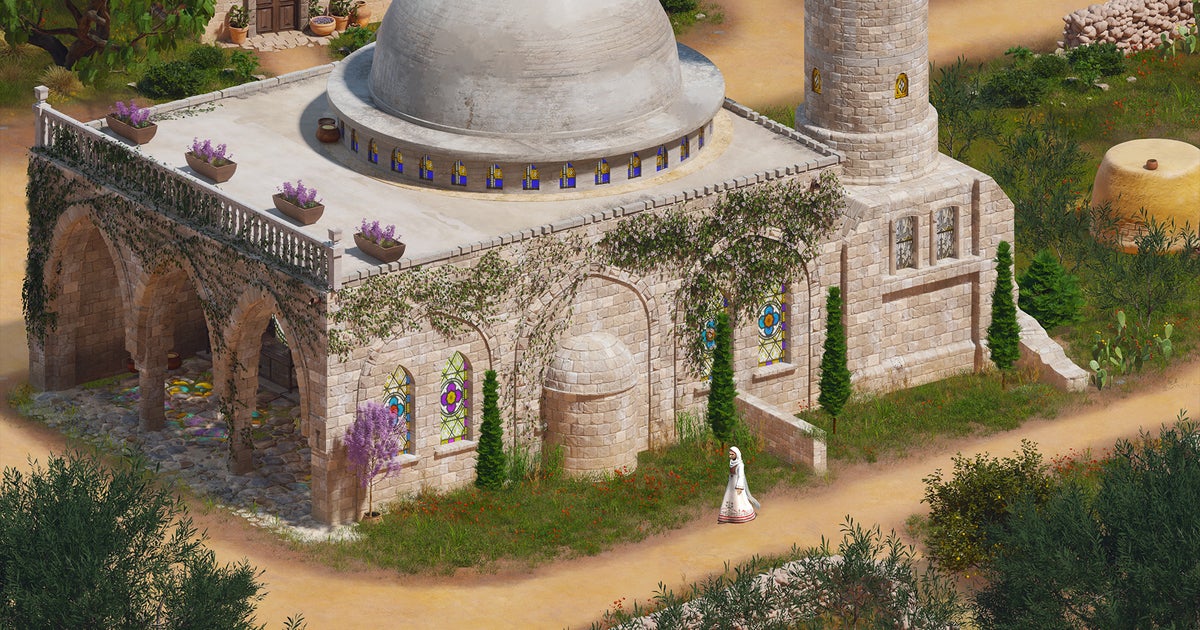
- Pseudo-stealth mechanics: Players hide from patrols and navigate ruined homes.
- Poetic visual style: Hand-drawn art evokes both beauty and tragedy.
- Memory-collection system: Find notes and objects that unlock personal stories.
- Soundtrack by Gazan artists: Traditional instruments underscore the narrative.
Reactions from the Gaming Community
Early responses on social media are polarized. Supporters praise the game's bravery, while critics accuse it of political propaganda. "Art has no neutrality," responded Abueideh in a follow-up statement. "But this is history, not hate."
Funding page sponsor Resist Games stated: "We back voices that mainstream publishers ignore. This gameplay proves why."
What's Next for Dreams on a Pillow
The developer plans a full release by late 2025, pending successful crowdfunding. A demo is expected within months. For now, the first look has already ignited debate—and empathy. "If one player understands our story," Abueideh concluded, "the game has succeeded."
Related Articles
- Fal Chooses AWS as Prime Cloud Partner, Signaling Gen AI Media Infrastructure Shift
- From Vibes to Verifiable Metrics: A New Approach to LLM Evaluation
- How to Immerse Yourself in 'Go with the Clouds, North-by-Northwest' Before the Anime Debuts
- How to Transition Your AI from Pilot to Production: A Step-by-Step Infrastructure Guide
- Iceotope Secures $26M in Series B to Advance Data Center Liquid Cooling
- Revolut Dangles £1,000 Per Employee to Boost Business Banking — With $200 Billion IPO in Sights
- AI Agent Breaches Fortune 50 Security: Identity Crisis Hits Enterprise as Autonomous Systems Rewrite Policies
- How to Execute a Venture Capital Pivot That Triples Valuation in Two Weeks