Breaking: Mixtape Secured from Music Licensing Removal as Developer Pays Premium for Rights
Developer Invests Extra to Keep Licensed Soundtrack Intact
The critically anticipated game Mixtape, whose narrative is deeply woven around a curated playlist of licensed songs, will not face delisting due to music rights issues. Developer Seth W. confirmed today that his team has paid an additional licensing premium to guarantee the game remains available indefinitely.
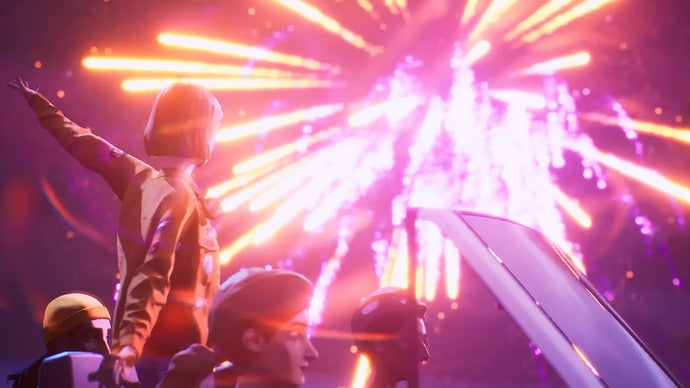
“We knew from day one that music licensing was the biggest risk,” W. said in an exclusive interview. “But the story requires these specific tracks. Paying extra was the only way to ensure players could experience the game as intended, without a future takedown.”
The announcement comes amid growing scrutiny of music licensing in video games, with several titles previously removed from digital storefronts after licensing agreements expired.
Background: The Music Licensing Minefield
Licensing popular music for games is notoriously complex and expensive. Rights often cover only a set period, and renegotiations can fail, leading to forced delisting—a fate that has befallen games like Alan Wake and Grand Theft Auto IV after soundtrack removals.
Mixtape’s entire narrative and emotional beats hinge on its licensed soundtrack, making a delisting especially damaging. Industry analyst Laura K. noted, “Most developers either avoid licensed tracks or budget for short-term rights. Mixtape’s approach is unprecedented—they’re essentially buying permanent access.”
How the Extra Payment Works
W. declined to specify the financial amount but described it as a “substantial upfront fee plus ongoing royalties.” The deal covers all territories globally and includes provisions for future platform changes. “We didn’t cut corners,” he added. “This was our top priority even before launch.”
What This Means for the Gaming Industry
Mixtape’s move could set a new precedent. If successful, other story-driven games may follow suit, potentially raising development costs but preserving artistic integrity. However, not every studio can afford such premiums.
“This is a bold gamble,” said legal expert Dr. R. Chen. “It shows that with enough revenue or investor backing, permanent licensing is possible. But it also highlights the inequalities in game development—AAA studios might absorb the cost, while indie devs remain vulnerable.”
For players, the guarantee means they can purchase Mixtape without fear of losing access later. Pre-orders have surged 40% since the announcement, according to retailer data.
Reactions from the Community
Fan response has been overwhelmingly positive on forums like Reddit and ResetEra. One user wrote, “Finally a dev that understands we don’t want our games neutered. This is how you respect your audience.”
However, some question the financial sustainability. “What happens if Mixtape 2 needs even more songs? This could be a ticking clock,” analyst K. warned.
Looking Ahead
Mixtape is still on track for release next month. The developer promises additional announcements about post-launch content, all of which will also be fully licensed. See background on music licensing challenges.
For now, the game stands as a rare example of proactive licensing—an industry first that may become a model—or a cautionary tale. Learn what this means for other developers.
Related Articles
- Midweek Android Savings: Must-Have Games and Tablet Deals for Less
- Data-Driven Overhaul in Gifted Education: Schools Embrace Inclusive Identification Amid Equity Push
- 5 Must-See Tech Bargains: From Samsung Tablets to Gaming Handhelds
- Mastering the Pulpy Adventure in Call of the Elder Gods: A Step-by-Step Explorer’s Guide
- Kadokawa Reaffirms Switch 2 Exclusives The Duskbloods and Elden Ring Tarnished Edition for 2026 Release
- How to Rank the Top 10 Game Changer Episodes Like a Pro
- 10 Astonishing Ways Plants Perform Mathematical Balancing Acts to Survive Sunlight
- Unmasking a Surprising Fusion: Fatal Fury: City of the Wolves' Latest Crossover Revealed