Bridging Your AI Agents: A Step-by-Step Guide to Cross-Functional Collaboration
Introduction
Imagine it’s Monday morning and your supply chain manager suddenly asks: “Severe weather hit Florida last week — what’s it going to do to our Southeast forecast this quarter?” If your AI agents — one trained on supply chain logistics, another on sales forecasts — have never shared a data point, you’re stuck with manual reports. This guide shows you how to introduce your AI agents to each other, enabling them to collaborate across domains and deliver unified answers without human intervention. By the end, you’ll have a practical roadmap to break down silos and unlock the full potential of your AI ecosystem.
What You Need
- Existing AI agents — at least two specialized agents (e.g., supply chain, sales, customer support) with their own APIs or data endpoints.
- Data integration tools — middleware like Apache Kafka, MuleSoft, or a custom RESTful API gateway.
- Communication protocol — agreed-upon message format (JSON/XML) and event schema (e.g., CloudEvents).
- Access control & governance — policies for data sharing, privacy, and versioning.
- Testing environment — a sandbox to simulate cross-agent queries before production.
Step-by-Step Instructions
Step 1: Identify Your AI Agents and Their Capabilities
Begin by auditing every AI agent in your organization. List what each one does, what data it ingests, and what outputs it generates. For example, a supply chain agent might predict inventory shortages from weather data, while a sales agent forecasts revenue by region. Document their native APIs (REST, gRPC, etc.) and any existing integrations. This inventory becomes your map for potential connections.
Step 2: Define Shared Context and Common Vocabulary
AI agents often use different terms for the same concept. A supply chain agent’s “inventory risk” may equal the sales agent’s “stockout probability.” Work with domain experts to create a shared ontology or glossary. Use a tool like a knowledge graph to map synonyms, units, and time zones. This step prevents miscommunication when agents exchange data — for instance, ensure both understand “Quarter” as fiscal Q3, not calendar Q3.
Step 3: Establish a Communication Protocol
Choose a protocol that allows agents to send requests and receive responses asynchronously. Popular options include event-driven architecture (using message brokers) or direct HTTP calls with a common API gateway. Define a standard message envelope with fields like sender, timestamp, context_id, and payload. Agree on error handling: what happens if the sales agent doesn’t respond within a timeout? This protocol becomes the lingua franca for your multi-agent system.
Step 4: Implement an Integration Layer or Hub
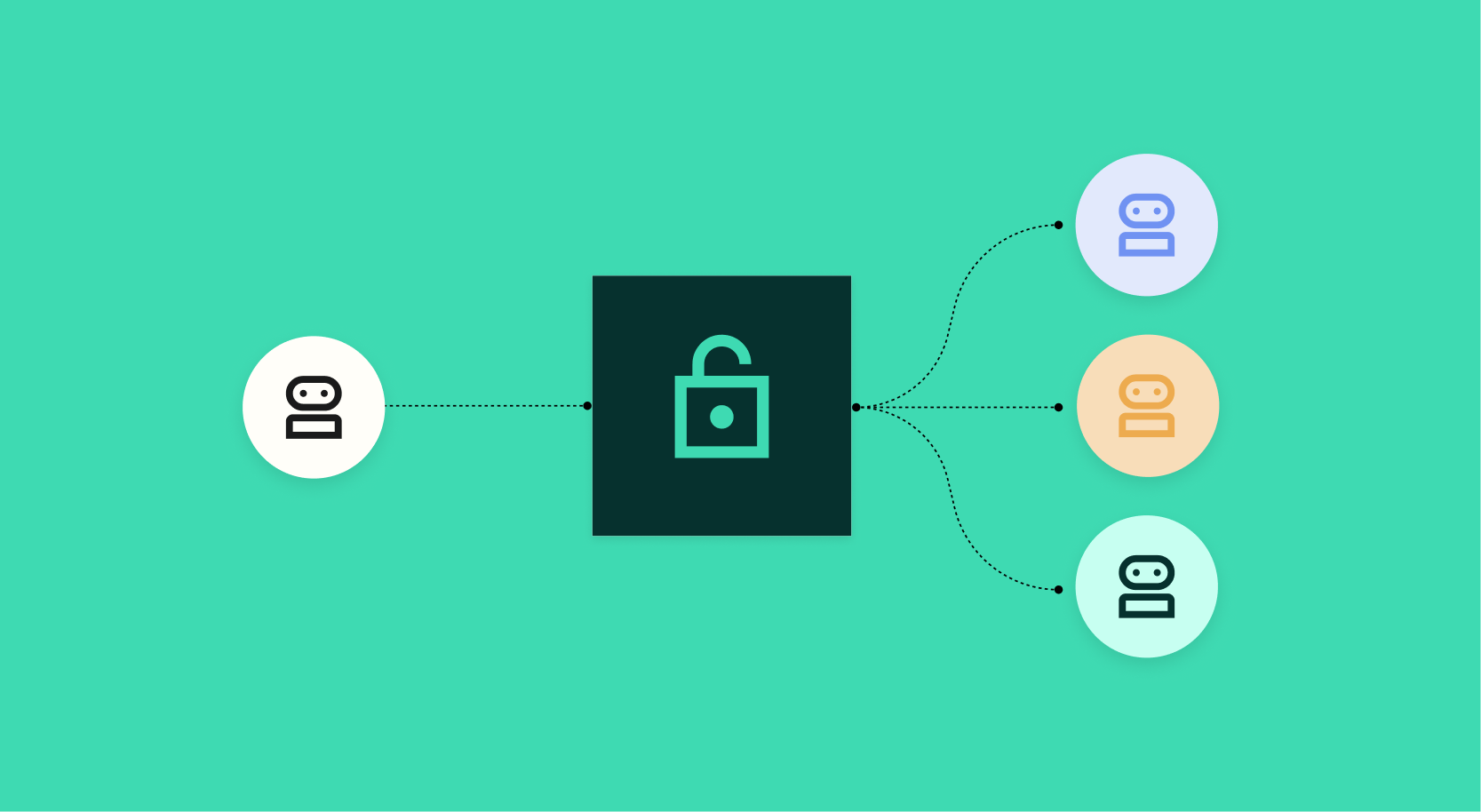
Create a central hub (e.g., using an API gateway or message broker) that routes queries between agents. Write adapter scripts or microservices that translate each agent’s native format into your shared protocol. For the Florida weather example, the supply chain agent would publish an “inventory disruption” event to the hub; the sales agent subscribes to such events. Test with a simple ping-pong exchange before adding complex logic.
Step 5: Test with a Cross-Domain Scenario
Recreate the original question: “Severe weather in Florida — impact on Southeast forecast?” Manually trigger the supply chain agent to output a disruption signal (e.g., “50% chance of delay in citrus shipments”). The hub forwards this to the sales agent, which recalculates the Southeast forecast and returns a new probability. Verify that the result is correct and that both agents’ data lineage is traceable. Log all interactions for debugging.
Step 6: Monitor and Refine Interaction Quality
After go-live, monitor latency, error rates, and the relevance of cross-agent insights. Set up dashboards to track which agents talk most often and where misalignments occur. Schedule regular reviews of the shared vocabulary and update protocols as agents evolve. Consider adding a feedback loop: when the human team validates a combined answer, that signal can reinforce agent collaboration.
Tips for Success
- Start small — connect just two agents first (e.g., supply chain + sales) before scaling.
- Document everything — maintain a living manual of agent capabilities, protocols, and vocabulary changes.
- Prioritize data privacy — ensure agents only share non-sensitive metadata or aggregated stats if needed.
- Use versioned contracts — when you update an agent’s API, the integration layer must support backward compatibility.
- Involve stakeholders early — domain experts (supply chain, sales) help validate that shared context is meaningful.
By following these steps, you transform isolated AI agents into a collaborative intelligence network. Next time someone asks about Florida’s weather impact, your agents will already have the answer ready — no Monday morning scramble required.
Related Articles
- How to Shield Your Enterprise Apple Devices from Top Mobile Security Threats
- Implementing Continuous Purple Teaming for Dynamic Enterprise Security
- Mastering End-to-End Encryption: A Practical Guide to Securing Your Digital Conversations
- How to Process User Feedback for a Homepage Redesign: A Step-by-Step Guide
- Mercedes-AMG GT 4-Door Coupe EV: Power, Speed, and Controversial Sound
- How to Get Ready for the Next Generation of iPads: A Rumour-Based Preparation Guide
- Nous Research Unveils Token Superposition Training: A 2.5x Faster LLM Pre-Training Method
- Safari 26.4 Unleashed: 7 Essential Updates for Modern Web Development