Navigating the End of an Era: A Guide to Stephen Colbert’s Final ‘Late Show’ Episodes
Overview
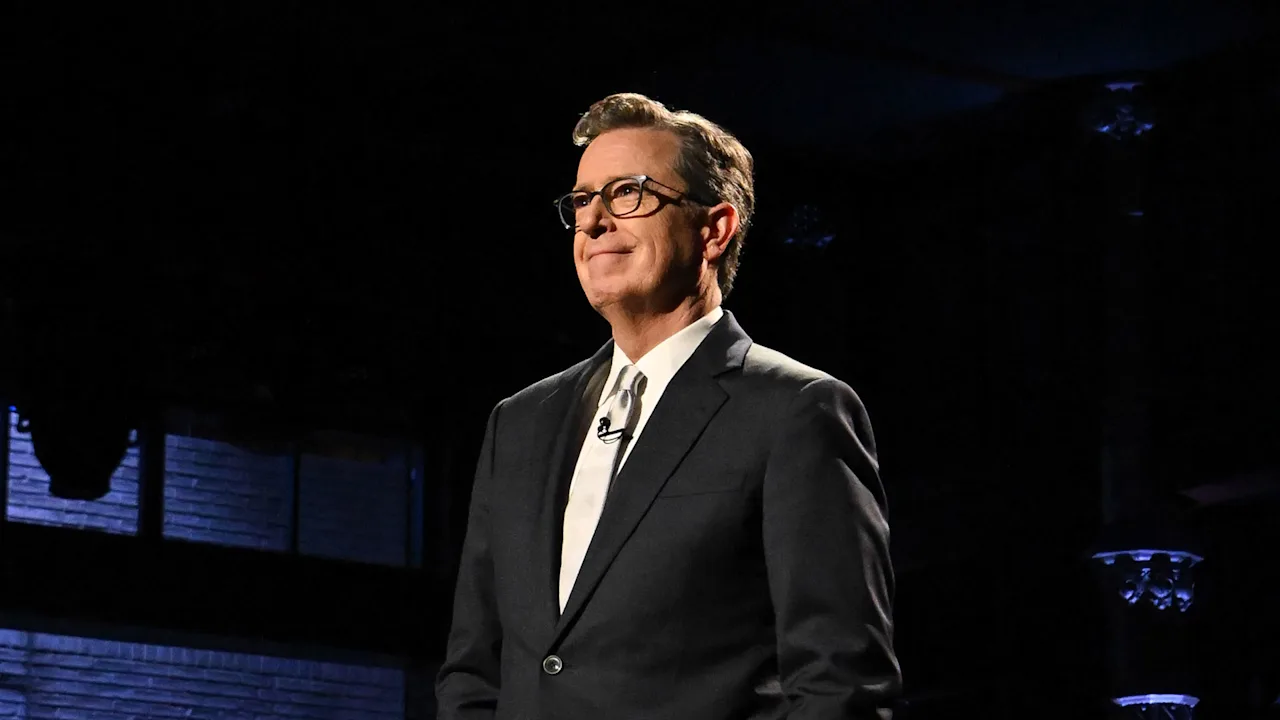
After a decade of sharp political satire, musical performances, and intimate celebrity interviews, Stephen Colbert’s tenure as host of The Late Show on CBS comes to a close this week. The final episode airs Thursday, marking the end of a chapter that began in 2015 when Colbert took over from David Letterman. This guide walks you through the key events leading up to the finale, explains the final week’s lineup, and dives into the controversies that surrounded the show’s cancellation. Whether you’re a late-night television aficionado, a media studies student, or simply curious about the behind-the-scenes dynamics, you’ll find a structured breakdown of what happened, why it matters, and what comes next.
Prerequisites
Before diving in, it helps to have a basic familiarity with late-night talk show formats and the political landscape of the past decade. Specifically, you should know:
- Who Stephen Colbert is – His earlier work on The Daily Show and The Colbert Report shaped his comedic persona.
- The structure of The Late Show – A mix of monologues, sketches, guest interviews, and musical acts, filmed at the Ed Sullivan Theater in New York.
- Key U.S. political events from 2015–2025 – Especially the first and second Trump administrations, as Colbert’s monologues often focused on them.
- The corporate environment – CBS is owned by Paramount, which merged with Skydance in a deal that closed in 2024.
If you lack any of this background, a quick read of Colbert’s Wikipedia page and a summary of the Paramount-Skydance merger will bring you up to speed.
Step-by-Step Guide to Understanding the Final Episodes
Step 1: Revisit the Show’s History and Colbert’s Rise
To appreciate the finale, start with the show’s origins. The Late Show debuted in 1993 with David Letterman. Colbert took the reins in 2015 after his acclaimed Comedy Central shows. During the first Trump administration, Colbert’s overtly political monologues attracted a loyal, largely liberal audience. This period saw his ratings climb and his influence grow. Understanding this trajectory is crucial: it wasn’t just a talk show—it became a nightly commentary on American democracy.
Step 2: Analyze the Cancellation Announcement
In July 2024, Paramount—CBS’s parent company—announced that the current season (ending May 21, 2025) would be The Late Show’s last. The official reason was financial: the show was not profitable enough to continue. However, many skeptics point to political pressure from the Trump administration, which Colbert had openly and harshly criticized. The timing is suspicious: the announcement came shortly after Paramount reached a $16 million settlement with Donald Trump over a 60 Minutes interview aired during the 2024 election. Former host David Letterman publicly called the financial explanation a lie, suggesting the cancellation was a condition of the Paramount-Skydance merger.
Key takeaway: Don’t take the “financial decision” at face value. Consider the broader corporate and political context.
Step 3: Examine the Final Week’s Lineup
CBS revealed the lineup for the final week, which blends nostalgia, humor, and high-profile guests. Here’s a day-by-day breakdown:
- Monday (May 19) – Dubbed “The Worst of The Late Show With Stephen Colbert” (though not a clip show; it features new content). A playful self-deprecating episode.
- Tuesday (May 20) – Jon Stewart (Colbert’s mentor), Steven Spielberg, and a joint musical performance by Colbert and David Byrne. Stewart’s appearance underscores Colbert’s roots in political satire.
- Wednesday (May 21, penultimate) – Bruce Springsteen performs, and the final “Colbert Questionert” segment airs—a recurring fan-favorite interview segment.
- Thursday (May 22, finale) – Guests are yet to be announced. Both Jimmy Kimmel and Jimmy Fallon will air reruns that night to honor Colbert, a sign of respect from peers.
Additionally, the week before the finale, Kimmel, Fallon, Seth Meyers, and John Oliver joined Colbert for a reunion of the “Strike Force Five”—a group formed during the 2023 Writers Guild strike to support their writers. This reunion highlighted the camaraderie among late-night hosts.
Step 4: Assess the Controversy and Future Implications
The cancellation remains contentious. Letterman’s accusation that the network “lied” about the financial motive has fueled speculation that The Late Show was sacrificed to smooth the merger with Skydance. The $16 million Trump settlement adds another layer. For media analysts, this case illustrates how corporate interests can override popular programming, especially when political satire is involved. As for Colbert and his team, their next moves are unknown—but the end of one show often births new projects.
Common Mistakes to Avoid
When following this story, people often make these errors:
- Assuming the financial reason is the whole truth – While profitability matters, the timing and Letterman’s comments suggest political and merger pressures were decisive.
- Ignoring the Trump settlement – The $16 million settlement with Trump over the 60 Minutes interview is a key piece of evidence that the cancellation may have been a quid pro quo.
- Expecting a traditional clip-show finale – Monday’s “Worst of” is deliberately misleading; it’s new content, not a rerun.
- Forgetting the Strike Force Five context – The reunion of late-night hosts is not just a nostalgic moment; it underscores the solidarity formed during the 2023 strike, which may shape future collaborations.
Summary
Stephen Colbert’s final week on The Late Show marks the end of a politically charged era in late-night television. The cancellation, officially attributed to finances, is widely believed to have been influenced by Colbert’s Trump criticism and the Paramount-Skydance merger. The final lineup balances humor (Monday’s “Worst of”), symbolism (Stewart and Byrne), and star power (Springsteen). Missing that context leads to misunderstandings about why the show ended and what it means for the industry. Whether you’re watching for closure or studying media dynamics, this guide provides the essential roadmap.
Related Articles
- Swift 6.3 Bridges Languages, Expands Platforms, and Boosts Performance
- Rust 1.94.1: 10 Key Updates You Should Know
- Deep Dive: Cricut’s Joy 2 makes creating stickers easier for beginners, and...
- Two Point Museum's Arty Facts DLC Unleashes Creative Potential with Generative Art Studio – No AI Needed
- Mastering Content-Aware Compression with OpenZL 0.2: A Step-by-Step Guide
- How to Control Playback Speed on Spotify for Podcasts and Prepare for Music
- The Quiet PC Dilemma: Why Silence Is Harder to Achieve Than You Expect
- Go Language Marks 16th Anniversary with Major Testing Overhaul and AI Push