Iran Debuts Crypto-Powered Insurance for Strait of Hormuz Vessels
Breaking: Iran Launches Bitcoin-Settled Insurance for Hormuz Shipping
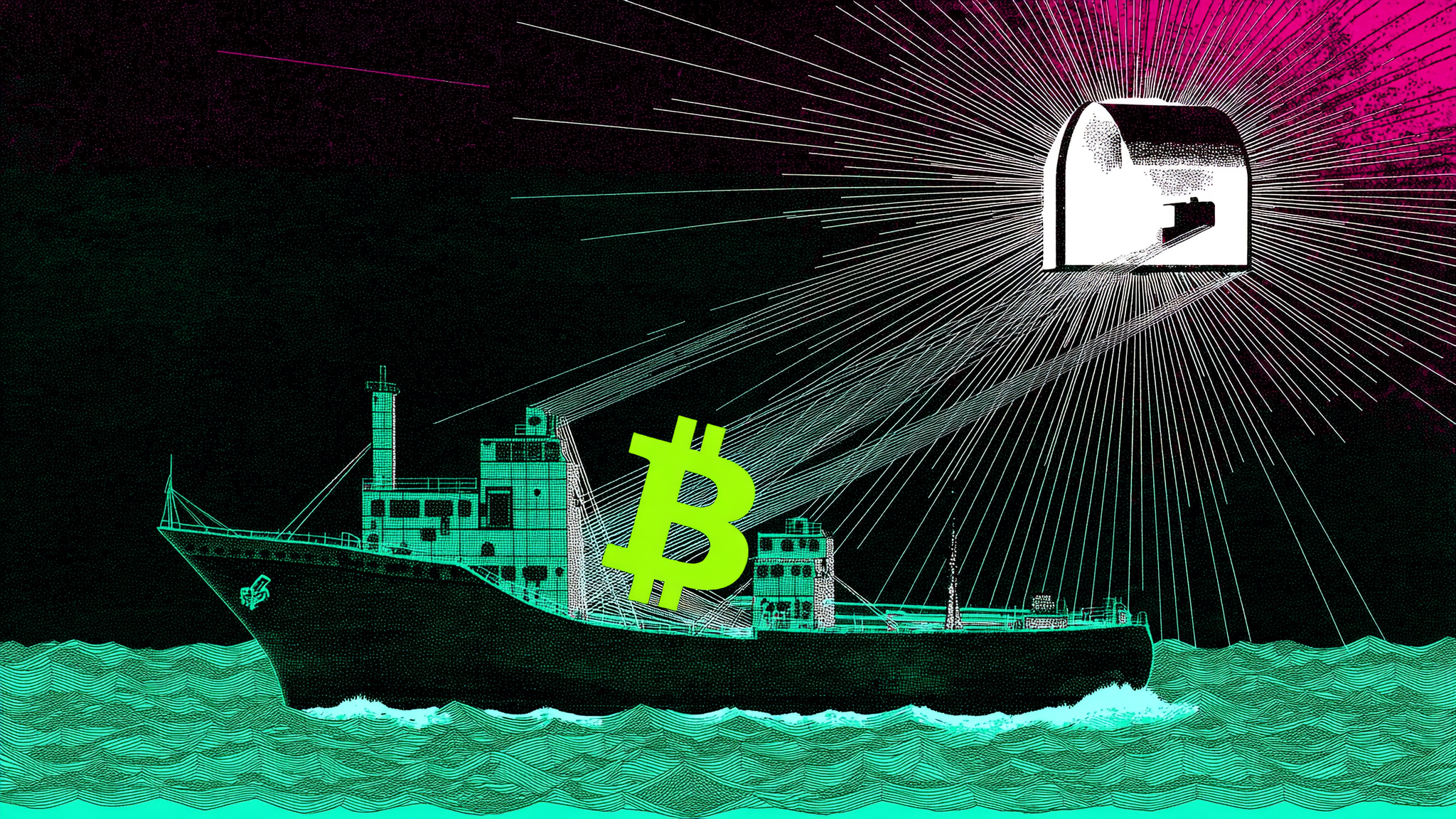
Iran has officially launched Hormuz Safe, a Bitcoin-settled insurance platform specifically designed for shipping companies navigating the Strait of Hormuz. The platform enables maritime insurers and operators to underwrite and settle coverage exclusively in Bitcoin, marking a bold adoption of cryptocurrency in global trade. Read background
Key Details
The platform allows insurers to issue policies and settle claims using Bitcoin, bypassing traditional banking systems. According to Dr. Amir Hosseini, a geopolitical risk analyst at the Middle East Maritime Institute, This is the first instance of a state-backed entity using cryptocurrency for marine insurance, potentially reshaping risk management in one of the world's most strategic waterways.
Shipping companies transiting the Strait of Hormuz—a critical chokepoint for about 20% of global oil—can now purchase hull and cargo insurance through Hormuz Safe. The system uses smart contracts to automate payouts, reducing settlement times from weeks to minutes.
Background: Why the Strait of Hormuz Matters
The Strait of Hormuz, connecting the Persian Gulf to the Gulf of Oman, is a vital artery for oil and liquefied natural gas shipments. Iran’s influence over the strait has long been a flashpoint for tensions with the U.S. and Gulf states, especially after past seizures of commercial vessels. Insuring ships that cross this volatile region has become increasingly expensive and difficult due to sanctions and geopolitical risks.
Standard maritime insurers often demand premiums that can exceed 10% of a vessel’s value for Hormuz transits, and many Western firms refuse coverage altogether. Hormuz Safe seeks to fill this gap by offering cheaper, faster, and sanctions-resistant insurance options. By using Bitcoin, Iran circumvents SWIFT and dollar-based settlement systems, directly challenging Western financial hegemony,
noted Sarah Chen, a cryptocurrency insurance specialist at Blockchain Risk Advisory.
What This Means: Implications for Global Trade and Crypto Adoption
For shipping companies: The platform could lower insurance costs and reduce reliance on standard maritime insurance, especially for firms already blacklisted by Western regulators. However, operational risks remain, including Bitcoin’s price volatility and the legal gray zone of transacting with sanctioned entities.
For cryptocurrency: This deployment signals a real-world use case for Bitcoin beyond speculation. If successful, it may encourage other nations—particularly those under sanctions—to adopt similar blockchain-based financial instruments. Iran is testing the waters for a truly decentralized trade finance system, which could disrupt traditional banking corridors,
Hosseini added.

Geopolitical impact: The move may escalate tensions with the U.S., which has vowed to block any efforts to circumvent sanctions. The U.S. Treasury Department has not yet commented, but analysts expect increased scrutiny on crypto transactions linked to Iran.
How Hormuz Safe Works
- Policy Issuance: Insurers and shippers agree on terms via a decentralized application, with premiums paid in Bitcoin.
- Smart Contract Settlement: Claims are automatically executed when predefined conditions (e.g., vessel arrival, incident reports) are met, verified by oracles.
- Escrow Mechanism: Premiums are held in multi-signature wallets to ensure trust between parties.
Expert Reactions
Iran’s launch of a Bitcoin-settled insurance platform is a strategic move to sidestep crippling financial restrictions while embracing innovation,
said Dr. Hosseini. Meanwhile, Chen cautioned: Shipping companies must weigh the benefits against potential blacklisting or seizure of vessels by coalition forces enforcing sanctions.
Next Steps and Risks
The platform is currently in beta, with a handful of Iranian and allied vessels testing it. Expansion depends on Bitcoin’s stability and broader adoption by international insurers. Critics argue that relying on a volatile asset for insurance is risky—a ship may lose its coverage value if BTC crashes mid-voyage.
Nevertheless, Hormuz Safe represents a bold experiment in merging cryptocurrency with critical trade infrastructure. As the world watches, this could become a blueprint for other sanctions-hit nations—or a cautionary tale.
Related Articles
- Corporate Bitcoin Treasury Risk Management: A Case Study of Sequans Communications' Liquidation Strategy
- Apple Faces Extended Shortages for Mac mini and Mac Studio Amid AI Demand
- How to Build Trust Through Open-Source Hardware Security: The Azure Integrated HSM Approach
- BlackRock Expands Tokenized Fund Strategy with New SEC Filing and Securitize Partnership
- Product Builders Warned: Feature First Approach Dooms Financial Apps as 'Bedrock' Strategy Emerges
- Vehicle Modding and Data Privacy: A Comprehensive Guide to Legal Subpoenas and User Protection
- How to Prioritize Public Digital Infrastructure Over Euro-Pegged Stablecoins: A Policy Guide
- Crafting Durable Financial Products: From MVP to Core Value