Commencement Crowds Express Outrage as Speakers Push AI Optimism
A Shift in Commencement Atmosphere
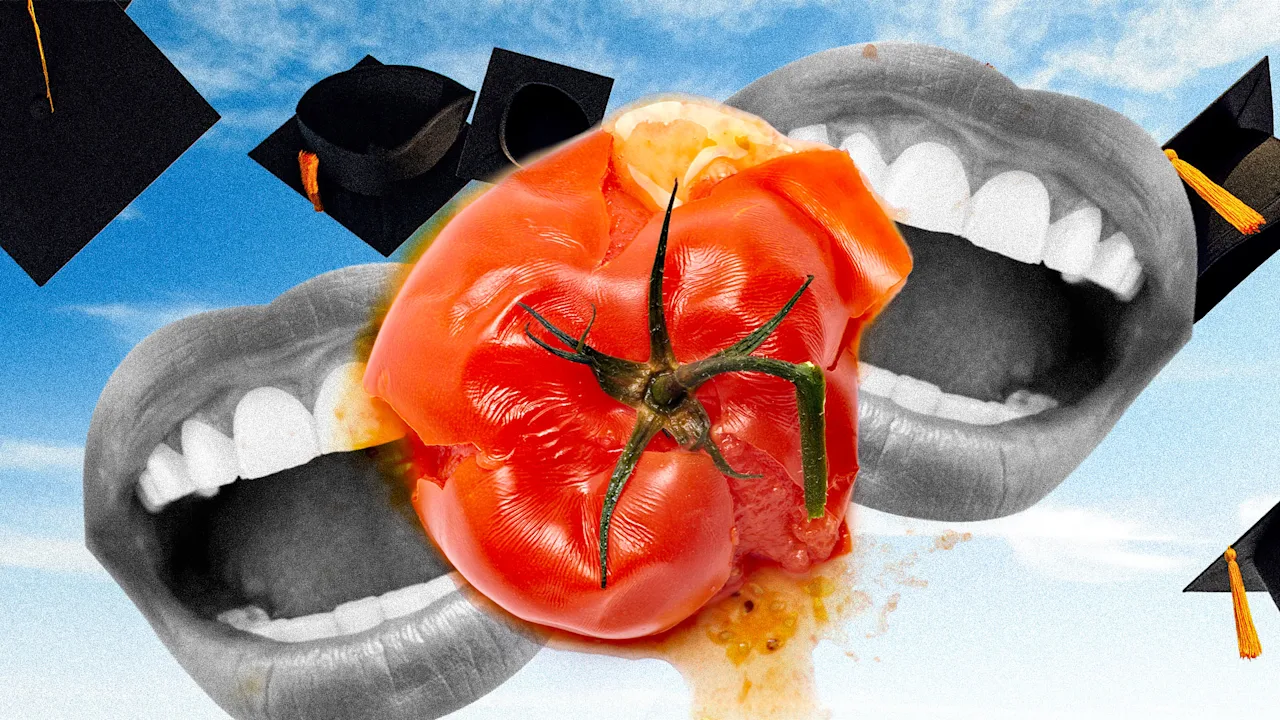
Graduation season is traditionally a time for inspiring words, proud families, and hopeful graduates. But this year, a recurring theme has turned celebratory ceremonies into tense events: artificial intelligence. Rather than receiving applause, speakers who promote AI are being met with loud boos and visible resentment—a stark indicator of the anxiety surrounding automation among the Class of 2024.
Recent Outbursts at UCF, MTSU, and University of Arizona
The backlash first made headlines at the University of Central Florida. Gloria Caulfield, vice president of strategic alliances for Tavistock Group, addressed the College of Arts and Humanities and the Nicholson School of Communication and Media. When she declared that the “rise of artificial intelligence is the next industrial revolution,” the crowd erupted into boos, forcing her to pause mid-sentence. She recovered by asking, “OK, I struck a chord! May I finish?” The university declined to comment.
A similar scene unfolded at Middle Tennessee State University. Big Machine Records CEO Scott Borchetta told graduates that “AI is rewriting production as we sit here.” The audience reacted with disapproval, and Borchetta responded bluntly: “Deal with it. Like I said, it’s a tool.” An MTSU spokesperson later clarified that Borchetta’s intent was to encourage students to view AI as a creative enhancement, while emphasizing that “human creativity will always be the most important thing.”
Most recently, former Google CEO Eric Schmidt faced a hostile reception at the University of Arizona. As soon as he uttered the word “AI,” boos rang out. Schmidt pressed forward, stating over the noise: “It will touch every profession, every classroom, every hospital, every laboratory, every person and every relationship you have.” Acknowledging the discontent, he added, “I can hear you. There is a fear.” The University of Arizona did not respond to requests for comment.
A Pattern of Resistance
These incidents are not isolated. They reveal a growing unease among soon-to-be graduates who see AI as a threat rather than a promise. For many, the technology represents job displacement, ethical dilemmas, and a devaluation of their newly earned degrees.
Why Gen Z Is Booing AI
The hostility aligns with broader research on Generation Z’s attitudes. According to a survey by GoTo, Gen Z workers are more skeptical of AI than older generations. The timing is especially fraught: the job market for new graduates remains competitive, and many believe AI is exacerbating the struggle to land a first job.
As one student anonymously told a campus newspaper: “We’re being told to embrace the very thing that might replace us.” This sentiment captures a deep-seated frustration that commencement speakers often fail to address.
Fear vs. Reality
While tech leaders tout AI as a productivity revolution, graduates worry about industries like marketing, design, and data analysis—fields that are already being reshaped by generative models. The boos are not just rudeness; they are a collective pushback against an uncritical celebration of technological progress.
How Speakers Are Responding
Some, like Caulfield and Borchetta, attempt to continue their message despite the noise, sometimes with a confrontational tone. Others, like Schmidt, try to acknowledge the fear and pivot to reassurance. But the persistent outcry suggests that a simple “it’s just a tool” is not enough. Graduates are demanding a more nuanced conversation—one that honestly addresses the risks alongside the benefits.
What This Means for Future Commencements
The 2024 graduation season is teaching universities and speakers a valuable lesson: platitudes about innovation will not resonate with a generation that feels uncertain about its economic future. To avoid further backlash, schools may need to curate speakers who can empathize with student concerns and offer concrete strategies for navigating an AI-disrupted world—rather than simply telling graduates to “deal with it.”
For now, the boos are a loud reminder that for many, the AI revolution is not something to celebrate—it is something to fear, question, and demand accountability for.
Related Articles
- 8 Key Milestones: Rivian's Revenue Surges as R2 Production Ramps Up
- Navigating Biotech Milestones: IPOs, Obesity Drug Wars, and Regulatory Hurdles
- The Perplexing Case of Darkening Skin: A Medication's Unseen Side Effect
- 7 Key Insights into the Future of Space-Based Drug Manufacturing
- CDC Transfers Research Monkeys to Sanctuary: Key Questions Answered
- Disparities in Extreme Heat: Why Black Americans Face Greater Risks
- Groundbreaking 3D Imaging Reveals T Cells' Precision Attack on Cancer
- 8 Surprising Facts: The Ancient Chinese Exercise That Naturally Lowers Blood Pressure