7 Revealing Facts from the Scurvy-Stricken Whalers of Svalbard's Corpse Point
In the remote Arctic archipelago of Svalbard, a site known as 'Corpse Point' has yielded the skeletal remains of early modern whalers. These bones tell a haunting story of hardship, disease, and grueling labor—offering a rare glimpse into the harsh reality of 17th- and 18th-century whaling. Far from the romanticized image, the skeletons reveal widespread scurvy, the marks of pipe smoking, and the toll of relentless physical work. Here are seven key insights drawn from this grim archaeological discovery.
- 1. The Grim Discovery at Corpse Point
- 2. Widespread Scurvy: The Scourge of Arctic Whalers
- 3. Pipe Smoking Habits Preserved in Teeth
- 4. Signs of Heavy Physical Labor on Bones
- 5. Life and Death in a Whaling Station
- 6. Archaeological Techniques That Unveil the Past
- 7. The Legacy of Corpse Point
1. The Grim Discovery at Corpse Point
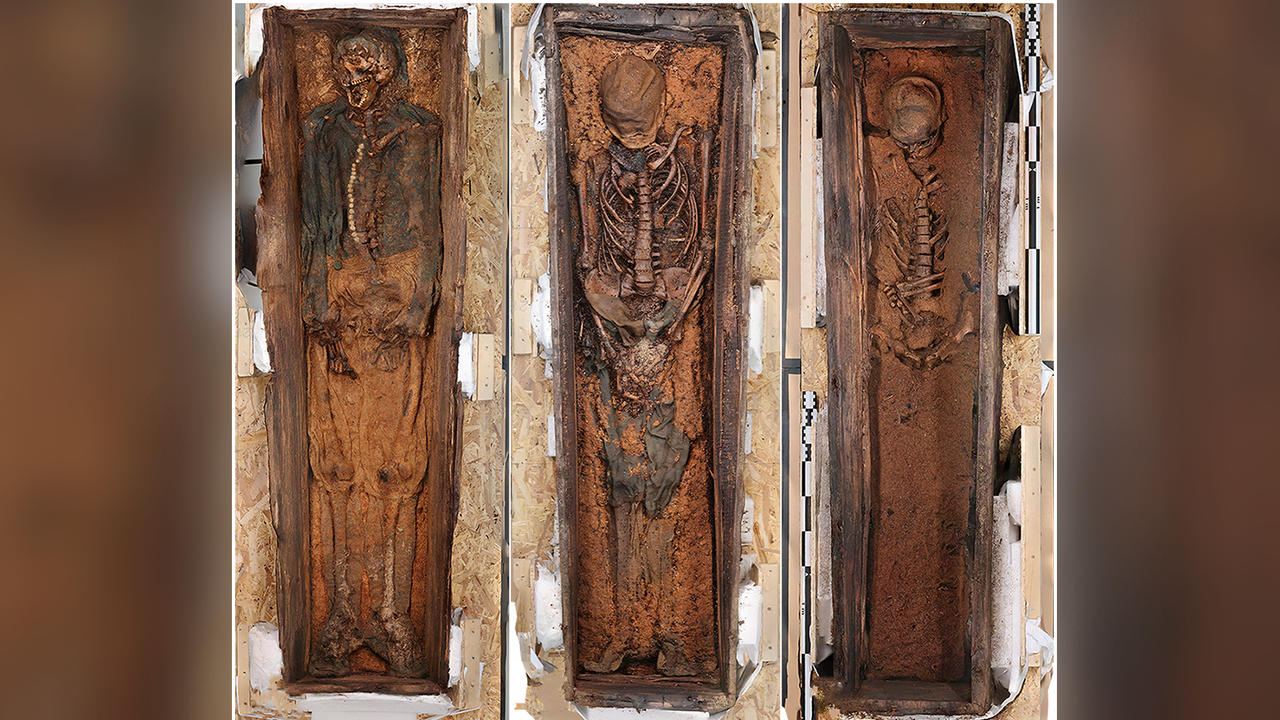
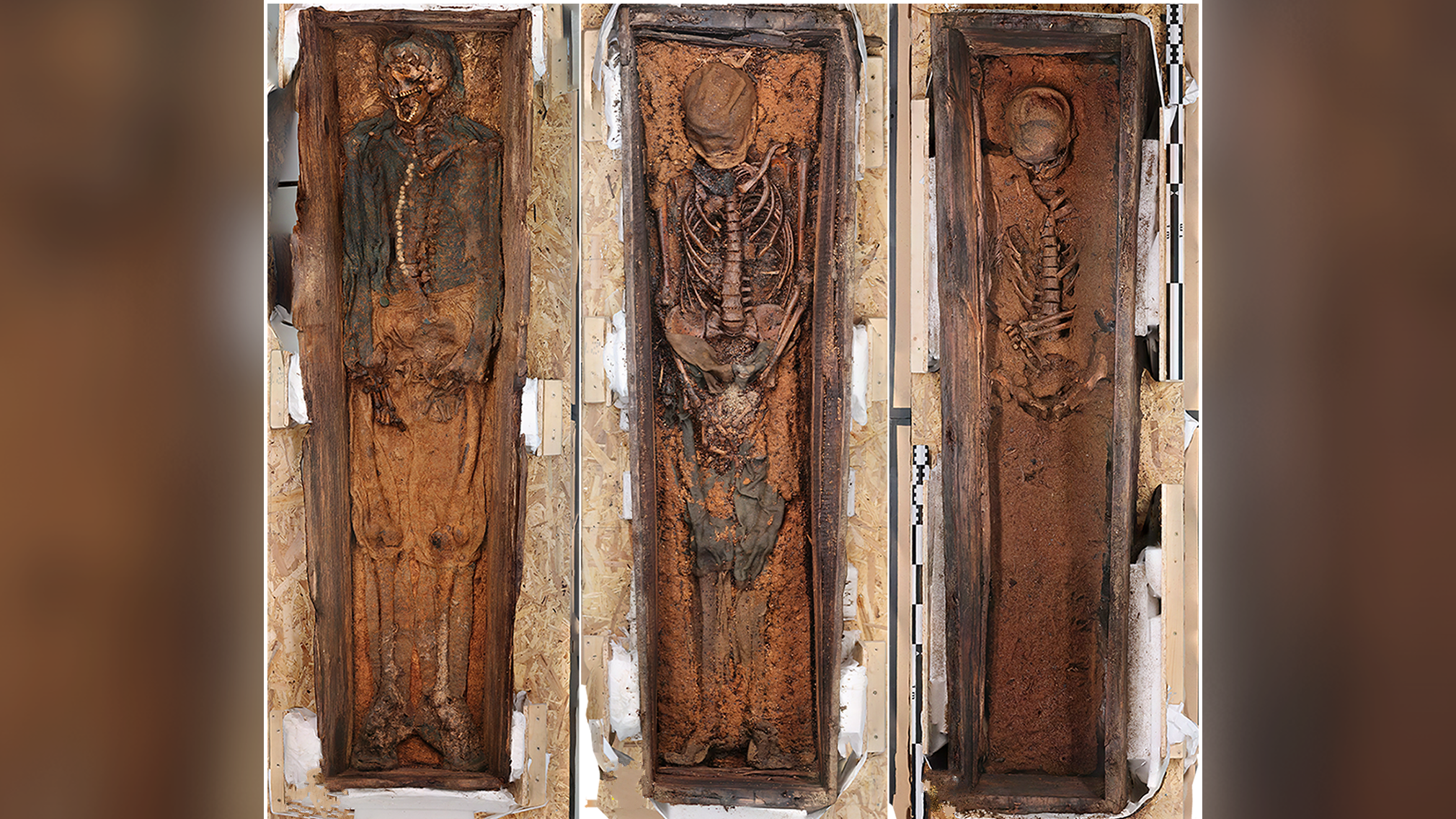
Corpse Point, located on the shores of Svalbard's Bråsvellbreen glacier, earned its name from the skeletons found scattered across the tundra. Excavations have uncovered the remains of dozens of whalers who worked in the region between the 17th and 19th centuries. These individuals were part of a brutal industry—hunting bowhead whales for oil and baleen—that drew thousands to the unforgiving Arctic. The site itself was likely a temporary station where men lived and died in squalid conditions. The discovery provides direct physical evidence of the toll whaling took on the human body, far beyond what historical documents alone can convey.
2. Widespread Scurvy: The Scourge of Arctic Whalers
Analysis of the skeletons has revealed clear signs of scurvy, a disease caused by vitamin C deficiency. Lesions on the bones, particularly around the joints and skull, indicate that many whalers suffered from this debilitating condition. Scurvy leads to fatigue, gum disease, and internal bleeding, making already difficult labor nearly impossible. The whalers' diet consisted mostly of salted meat and ship's biscuit, lacking fresh fruits and vegetables. The grim discovery at Corpse Point underscores how scurvy was an almost constant companion on Arctic voyages, weakening crews and contributing to high mortality rates far from home.
3. Pipe Smoking Habits Preserved in Teeth
Remarkably, the teeth of many skeletons show notches and wear patterns consistent with pipe smoking. These distinctive grooves, called 'pipe notches,' occur when a clay pipe is clenched repeatedly in the same spot over years. This habit was common among whalers, who used tobacco as a stimulant and comfort in the harsh environment. The presence of these marks on multiple individuals suggests that smoking was a widespread and frequent activity, perhaps helping to pass long, dark winter months or to mask the smell of rotting whale carcasses. It also offers a personal glimpse into the daily routines of these hard men.
4. Signs of Heavy Physical Labor on Bones
The skeletons bear unmistakable evidence of heavy physical labor. Enlarged muscle attachment sites, joint degeneration, and stress fractures indicate years of strenuous work—hauling heavy lines, processing whale blubber, and dragging boats across ice. The whalers' bodies were literally shaped by their occupation. The constant strain on the spine and limbs mirrors descriptions from historical accounts of men working in extreme cold for long hours. This physical toll, combined with scurvy and poor nutrition, created a cycle of exhaustion and illness that many could not escape. The bones tell a story of resilience but also of the ultimate cost of the whaling industry.
5. Life and Death in a Whaling Station
Corpse Point was not a permanent settlement but a seasonal base where teams of men would set up temporary shelters. Living conditions were cramped, unsanitary, and exposed to the elements. The dead were often buried in shallow graves, many of which were later disturbed by animals or erosion—leading to the scattering of bones that gave the site its name. The remains provide clues about demographics: most individuals were adult males, but some juveniles are also present, suggesting that teenage boys sometimes participated in the dangerous work. The site paints a vivid picture of a frontier existence where death was a constant companion.
6. Archaeological Techniques That Unveil the Past
Modern archaeological methods have been crucial in extracting information from the Corpse Point remains. Stable isotope analysis of bone collagen reveals details about diet, confirming the lack of vitamin C and the reliance on marine resources. Radiocarbon dating places the skeletons between the 17th and 19th centuries. Forensic osteology identifies signs of disease and trauma. These techniques allow researchers to reconstruct the lives of individuals who left no written records. The collaboration between archaeology, history, and anthropology has turned a collection of scattered bones into a powerful narrative of human endurance and vulnerability.
7. The Legacy of Corpse Point
The discoveries at Corpse Point serve as a stark reminder of the human cost behind the wealth generated by Arctic whaling. While whale oil lit lamps across Europe and America, the men who harvested it paid with their health and often their lives. Today, the site is protected as part of Svalbard's cultural heritage, drawing researchers and visitors alike. The skeletons are not just macabre curiosities—they are a testament to the resilience and sacrifice of those who ventured into the far north. Their stories, etched in bone, continue to educate and haunt us.
In conclusion, the whalers of Corpse Point left no diaries, but their skeletons speak volumes. From scurvy and pipe smoking to the heavy labor that marked every bone, these remains offer an unflinching look at the reality of early modern whaling. They remind us that history is not just written in ink but also etched in the bodies of those who lived it. As we study these bones, we honor their struggle and gain a deeper understanding of the human experience in extreme environments.
Related Articles
- Mastering AD CS Security: A Q&A on Attack Techniques and Defense Strategies
- Massive Landslide in Alaska Unleashes Tsunami Wave Reaching 1,580 Feet Up Fjord Walls
- Local-First Architecture: Beyond Offline-First and Service Workers
- AI Revolutionizes Media: Every Story Becomes Instant Raw Material for Multiple Formats
- Gateway API v1.5: Six Key Features Move to Stable – Everything You Need to Know
- The Unknowable in Mathematics: A Tool for Secrecy
- New Encryption Frontier: How Gödel's 'Unknowable' Math Protects Data
- Exploring Ptyxis: Tab Management and Color Schemes