How to Use Fecal DNA Analysis to Safeguard Endangered Marsupials: A Practical Guide
Introduction
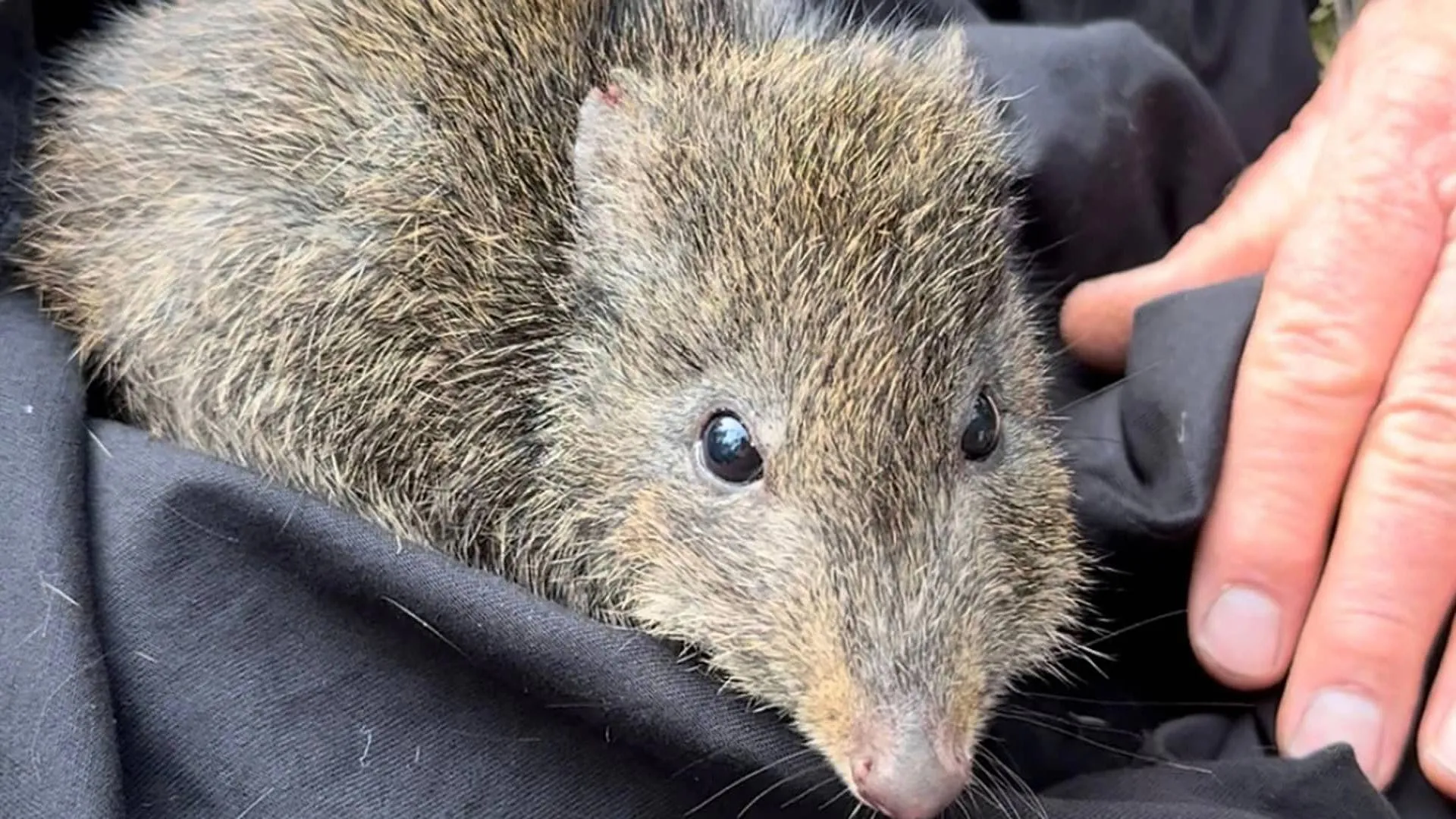
With fewer than 150 Gilbert's potoroos (Potorous gilbertii) remaining in the wild, this critically endangered marsupial faces an urgent survival crisis. Scientists in Australia have pioneered a non‑invasive technique: analyzing DNA extracted from the animals' scat (droppings) to uncover crucial clues about their diet and habitat needs. By identifying the specific fungi that potoroos rely on, researchers can locate safe areas for establishing backup populations before catastrophic events like bushfires strike. This step‑by‑step guide explains how you can apply the same methodology to conserve rare marsupials.
What You Need
- Fresh scat samples from the target species (collected with minimal disturbance)
- DNA extraction kit designed for fecal (stool) samples
- PCR reagents and thermal cycler for DNA amplification
- DNA sequencing platform (e.g., Illumina or Oxford Nanopore)
- Bioinformatics software for sequence analysis (e.g., QIIME 2, BLAST)
- Reference database of fungal DNA sequences (e.g., UNITE or GenBank)
- GIS mapping tools to overlay fungal distribution with potential habitat
- Field team trained in non-invasive wildlife sampling
- Permits from relevant wildlife authorities
Step‑by‑Step Instructions
Step 1: Collect Fresh Scat Samples Noninvasively
Locate active feeding sites or latrines used by the target marsupial. Use sterile gloves and a collection tube (or a clean plastic bag) to pick up droppings that are still moist and dark – these contain the highest quality DNA. Avoid samples that are dry, sun‑bleached, or have been rained on. Record the exact GPS coordinates and date of each collection. Minimize handling time and store samples on ice or in a cool box until they reach the lab.
Step 2: Extract DNA from the Scat
In the laboratory, use a commercial fecal DNA extraction kit (e.g., QIAamp Fast DNA Stool Mini Kit) to isolate total genomic DNA. Follow the manufacturer’s protocol, but pay special attention to the bead‑beating step to break open fungal spores. Measure DNA concentration with a spectrophotometer (e.g., NanoDrop) and check for purity (A260/280 ratio ~1.8). If DNA is degraded, consider using a kit optimized for low‑quality samples.
Step 3: Amplify and Sequence the DNA
Use polymerase chain reaction (PCR) to target a specific barcode region of fungi – commonly the internal transcribed spacer (ITS) region. Amplify using fungi‑specific primers (e.g., ITS1F/ITS4). Include negative controls to detect contamination. Verify amplification success on an agarose gel. Then submit purified PCR products for high‑throughput sequencing (e.g., on an Illumina MiSeq platform). Generate millions of short reads representing the fungal community present in the scat.
Step 4: Identify Fungal Species from DNA Sequences
Use bioinformatics pipelines (e.g., QIIME 2) to process raw sequencing data. Filter low‑quality reads, cluster sequences into operational taxonomic units (OTUs) at 97% similarity, and assign taxonomy by comparing OTUs against a reference database like UNITE. Focus on mycorrhizal fungi that form underground networks with plant roots – these are the primary food source for potoroos. Note the relative abundance of each fungal species.
Step 5: Map Fungal Distribution and Potoroo Habitat
Overlay the locations of scat samples (with their identified fungi) on a GIS map. Use environmental layers (vegetation type, soil moisture, elevation) to predict where the target fungi are likely to grow. This creates a habitat suitability model for the potoroo, because where the food fungi thrive, the marsupial can survive. Validate the model with field surveys for sporocarps (fungal fruiting bodies).
Step 6: Select Safe Relocation Sites
From the habitat suitability map, identify areas that are outside the current range of the potoroo but have high fungal abundance and are protected from bushfires, predators, and human disturbance. Prioritize sites with similar fungal diversity to the potoroo’s current diet (as revealed by the fecal DNA). Conduct a risk assessment – the site must be large enough to support a small population (ideally 50+ individuals) and have corridors for dispersal.
Step 7: Establish Backup Populations
Work with conservation agencies to translocate a subset of potoroos to the selected safe site. Use soft‑release methods (acclimatization pens) and monitor survival. Continue to collect scat samples from the relocated animals to verify they are consuming the same fungal species. If necessary, supplement the diet with native truffles during the establishment phase. This creates a genetically diverse insurance population that can survive future disasters.
Tips for Success
- Act fast: Scat DNA degrades quickly, especially in hot climates. Freeze samples at −20°C within a few hours of collection.
- Use multiple samples: Collect scat from different individuals and over multiple seasons to capture dietary variation.
- Collaborate with mycologists: Identifying fungi from DNA alone can be tricky – partner with experts who can verify the ecological roles of the species you find.
- Beware of contamination: Wear gloves, use filter tips, and include field blanks to ensure your results are from the target animal’s diet, not from soil or airborne spores.
- Integrate with traditional knowledge: Local indigenous rangers often know where fungi are abundant – combine their observations with your DNA data for stronger habitat models.
- Plan for the long term: Continue scat monitoring in both source and reintroduced populations to track habitat shifts due to climate change.
By following these steps, you can apply the same powerful, non‑invasive approach that Australian scientists used to give the Gilbert’s potoroo a fighting chance. Fecal DNA analysis is a game‑changer for conservation – start with scat, save a species.
Related Articles
- Curiosity Rover Shakes Off Stubborn Martian Rock in Unprecedented Drill Mishap
- VS Code Python Extension Revamps Startup Speed and Reliability in Urgent April Update
- Russian Soyuz 5 Rocket Blazes a Trail with Successful Maiden Flight
- Why NASA's Science Missions Are Declining Despite a Boom in Rocket Launches
- The Eta Aquarid Meteor Shower: A Complete Viewing Guide
- The Gentlemen RaaS: Internal Database Leak Exposes Administrator's Role in Ransomware Empire
- 10 Breakthroughs with Microsoft Discovery: Redefining R&D with Agentic AI
- How to Use Physics-Based Simulation to Design a Better Violin