Tesla Slashes Model 3 Price in Canada by Importing from China Despite Tariff
In a dramatic pivot from its previous sourcing strategy, Tesla has launched the Model 3 Premium Rear-Wheel Drive trim in Canada at a record-low price of $39,490 CAD (approximately $29,000 USD). The cost is enabled by importing the vehicle from Giga Shanghai in China, bypassing Tesla’s traditional Fremont, California, production for the Canadian market.
This is the first time Tesla has sold China-made electric vehicles (EVs) in Canada since the country imposed a 100% tariff on Chinese EVs in 2024 — a measure designed to protect domestic manufacturers. The price creates a massive gap with the Model 3 Performance, which costs over $70,000 CAD, and undercuts nearly every other EV in the Canadian market.
“Tesla is effectively daring the government to enforce the tariff, but also giving Canadian buyers a rare bargain,” said Dr. Elaine Wu, an automotive industry analyst at the University of Ontario. “If this isn’t challenged, it could reshape the Canadian EV landscape.”
Background
The 100% tariff on Chinese EVs was introduced to shield North American automakers from low-cost imports. Tesla had previously sourced all Canadian Model 3 sedans from its Fremont plant, but has now shifted supply chain logistics to capitalize on China’s lower production costs.
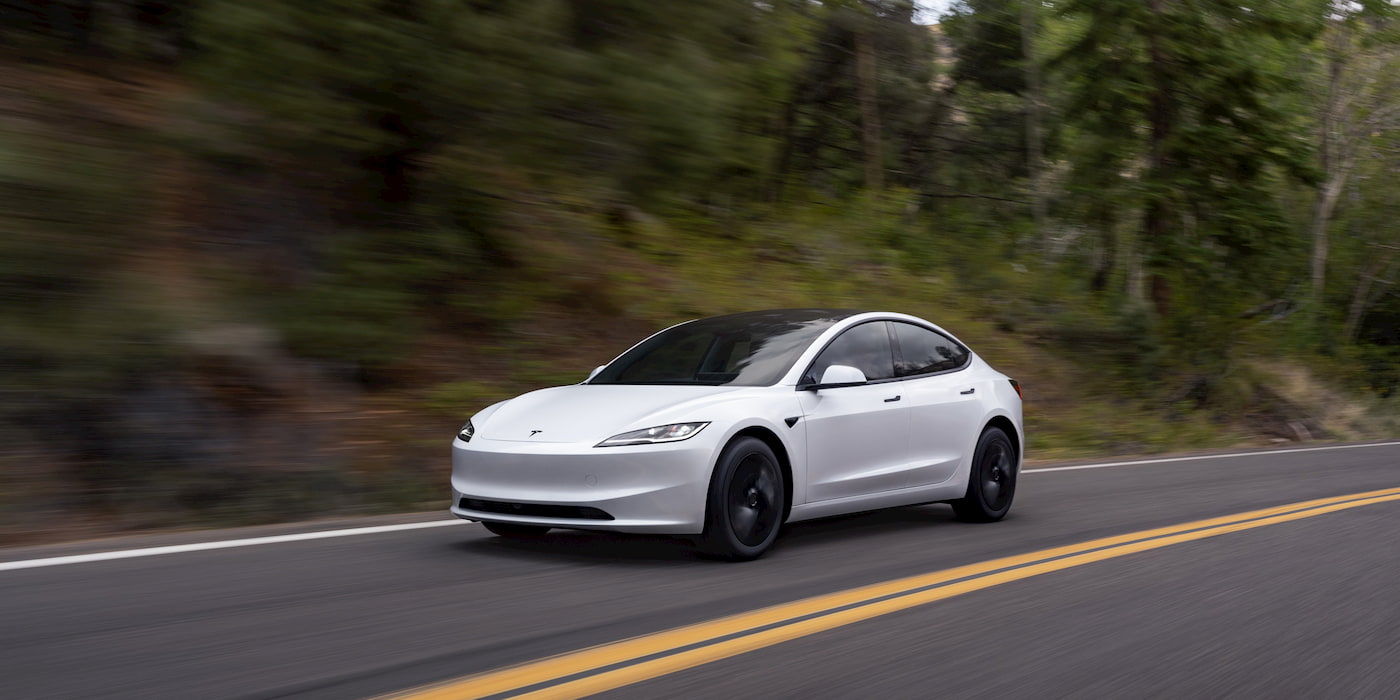
Giga Shanghai is known for high-volume output and competitive pricing. The model sold in Canada is identical in specifications to the Chinese version, with no changes required for compliance. Tesla’s Canadian website now lists the Premium RWD as “Available” with delivery estimates within weeks.
“The tariff is a blunt instrument, and Tesla’s move shows how agile manufacturers can be,” said Marcus Holt, a trade economist based in Toronto. “It puts pressure on both Ottawa and other automakers to respond quickly.”

What This Means
For consumers, the new Model 3 RWD offers an unprecedented entry point to Tesla ownership, nearly $10,000 cheaper than the previous base model. Analysts predict this could ignite a price war, forcing Chevrolet, Ford, and Hyundai to slash their EV prices or risk losing market share.
Politically, the move challenges Canada’s tariff policy. If Chinese imports become a competitive force, the government may face lobbying to either enforce the tariff strictly or reconsider the levy entirely. Meanwhile, Tesla’s own Fremont plant may see reduced Canadian orders, affecting U.S. production.
“This isn’t just about one car model — it’s a test case for global supply chain flexibility,” added Dr. Wu. “If Tesla succeeds, expect other automakers to follow suit, possibly eroding the tariff’s intended effect.”
The Model 3 Premium RWD comes with a 50 kWh battery, estimated range of 438 km, and Tesla’s full suite of driver-assistance features. Orders are already open on the Canadian website, with first deliveries anticipated in late April.
Editor’s note: This story is developing and will be updated as more details emerge regarding tariff enforcement and competitive responses.
Related Articles
- Navigating the Arrival of Chinese Electric Vehicles in Canada: A Step-by-Step Guide
- Australian Retailer Unveils Three Solar-Battery Plants With Anti-Hail Technology, Expands Regional Power Plans
- 10 Key Updates on Tesla's Unsupervised Robotaxi Rollout
- How to Save Big on Electric Bikes and Scooters This Week: A Step-by-Step Guide to the Best Deals
- BYD's April Exports Surpass Tesla's Global Sales: A Milestone in EV Competition
- Organized Resistance to Renewable Energy: Lessons from Sardinia’s Grassroots Movement
- How to Navigate the Solar and Battery Revolution: A Step-by-Step Guide to the Energy Shift by 2032
- React Native 0.85 Launches with New Animation Engine and Jest Package Separation