Samsung Galaxy S26 Ultra Display Fails To Impress: Users Report Lackluster Brightness
Breaking: Galaxy S26 Ultra Screen Brightness Criticized
Early adopters of Samsung's latest flagship, the Galaxy S26 Ultra, are voicing disappointment over its display performance—particularly in brightness. Multiple side-by-side comparisons with competitor devices, such as Google's Pixel 10 Pro, reveal that the S26 Ultra's screen appears dimmer and less vibrant in typical outdoor conditions.
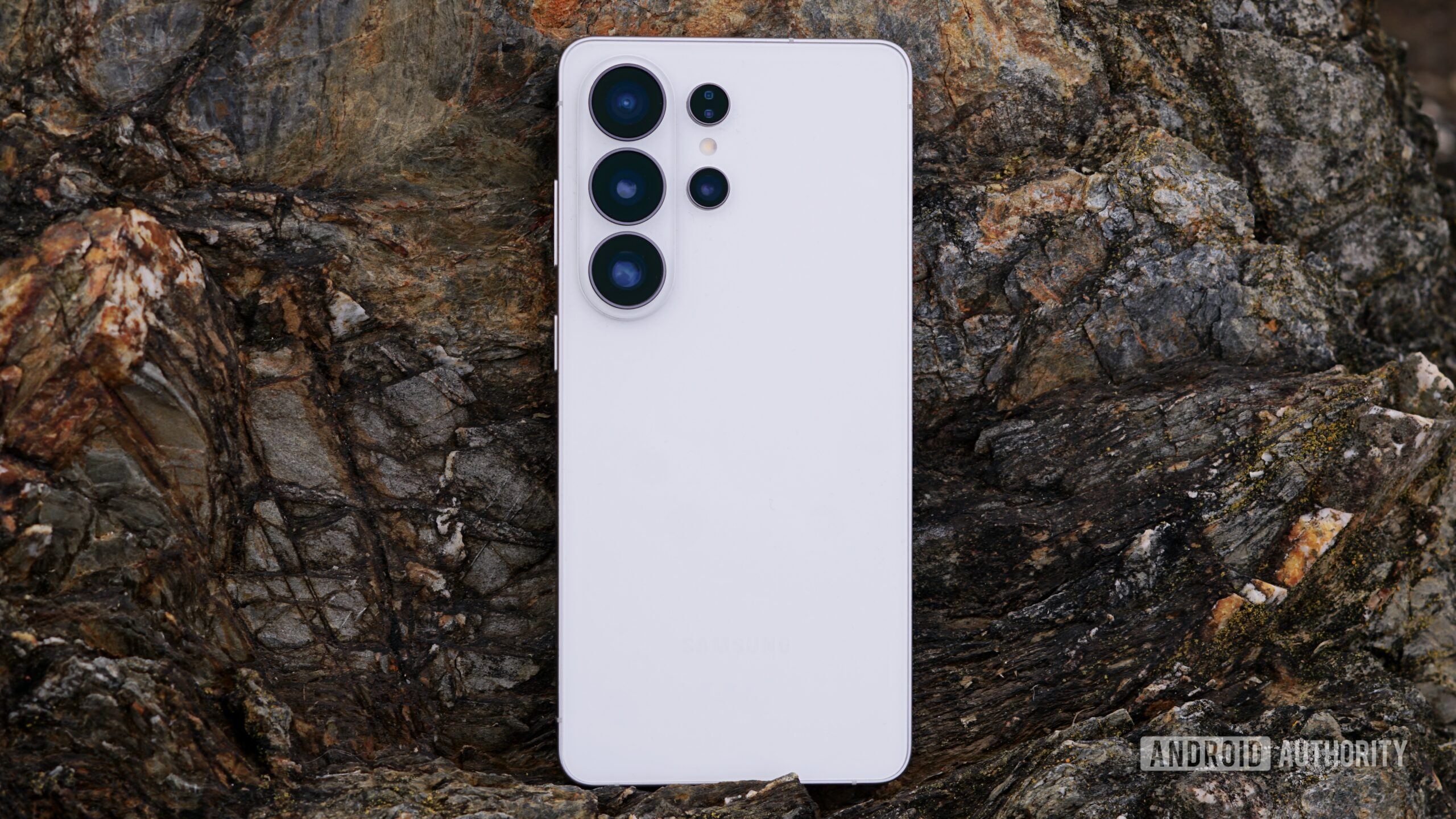
One long-time Samsung user who switched to a Pixel 10 Pro last year told Tech Insider: 'I’ve always loved Samsung displays, but after seeing the S26 Ultra next to my Pixel, I couldn’t go back. The brightness is just not there.' The user, who asked to remain anonymous, shared that even his wife's S26 Ultra looked washed out under bright sunlight.
This sentiment is echoed by early reviews and forum posts, with some calling the S26 Ultra's maximum brightness 'adequate but unremarkable' for a device in its price bracket.
Expert Analysis: A Step Backwards?
Display expert Dr. Lena Park of DisplayMate Labs notes that Samsung has historically led in OLED technology. 'The S26 Ultra uses Samsung's latest M13 OLED panel, yet the peak brightness in high-ambient light seems to lag behind the Pixel 10 Pro's display,' she said. 'This is unusual for a company that traditionally sets the standard.'
According to Dr. Park, the issue may stem from Samsung's focus on improving color accuracy and power efficiency at the cost of raw luminance. 'Many users prioritize brightness for readability, especially outdoors. If Samsung has sacrificed brightness for other metrics, it could hurt the perceived quality.'
Background: Samsung's Display Legacy
Samsung has long been the industry leader in smartphone displays, supplying panels to competitors like Apple while equipping its own Galaxy S series with top-tier screens. The shift to dynamic AMOLED and variable refresh rates solidified its reputation. However, the Pixel 10 Pro—using a Samsung-made LTPO panel—reportedly achieves higher sustained brightness than the S26 Ultra's own display.
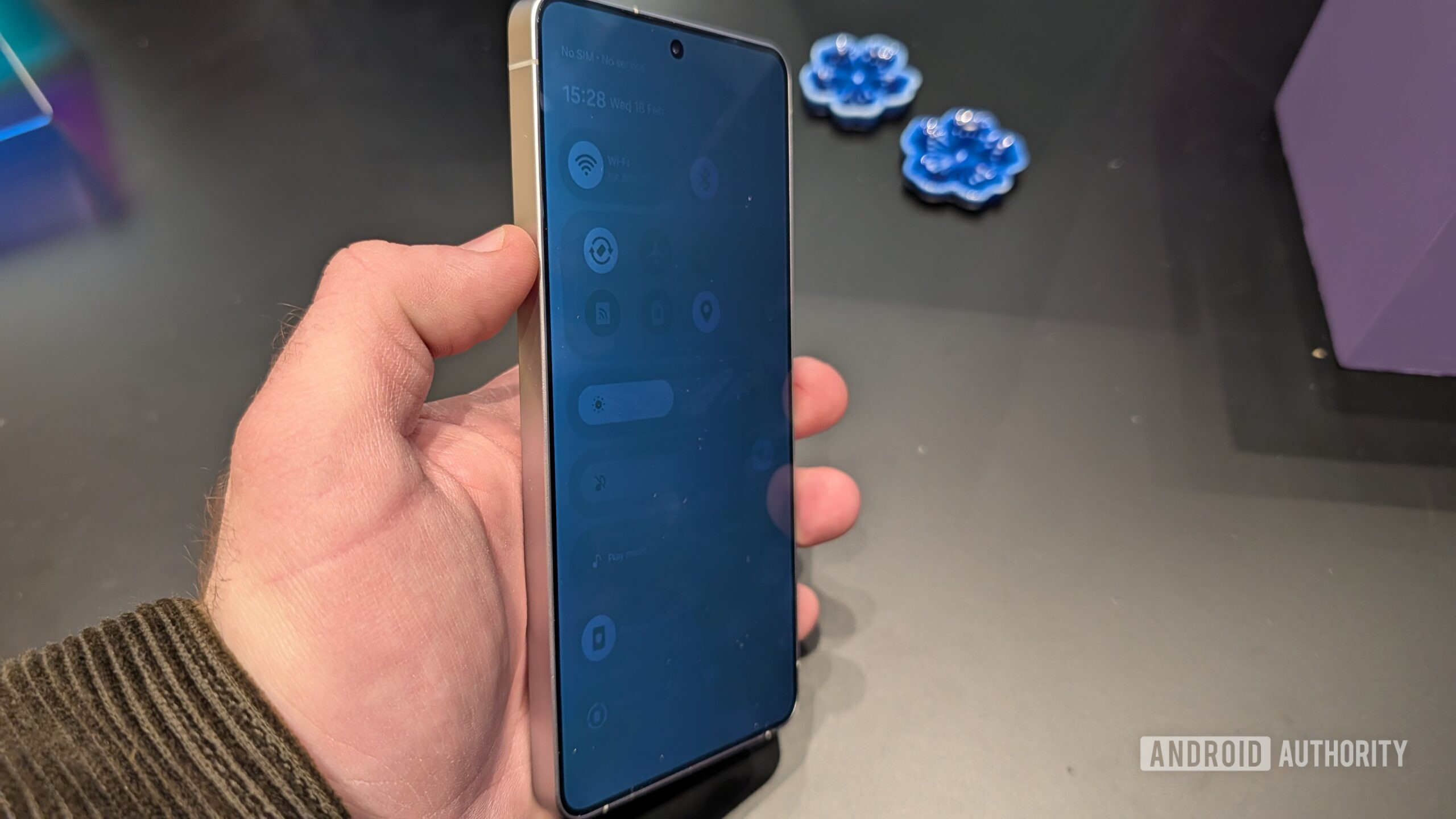
This paradox has raised eyebrows. Some speculate that Samsung deliberately limits brightness to balance thermal performance or battery life, while others point to differences in software calibration. The S26 Ultra does support 2,600 nits peak brightness in HDR content, but the real-world experience in auto mode is less impressive.
A Samsung spokesperson declined to comment on specifics, stating only that 'the Galaxy S26 Ultra offers a premium display experience optimized for various lighting conditions.'
What This Means: Implications for Samsung's Flagship
For potential buyers, this display weakness could be a dealbreaker—especially for those who frequently use their phones outdoors or consume HDR content. The S26 Ultra is priced at $1,399, placing it in direct competition with the Pixel 10 Pro and iPhone 16 Pro Max. If display brightness is a key factor, the Galaxy flagship may fall short.
Industry analysts warn that if this issue persists in the broader market, Samsung could face criticism similar to that encountered with the Galaxy S22's early performance problems. 'Samsung's brand is built on premium hardware. A subpar display on its most expensive device undermines that trust,' said tech analyst Richard Chen.
Early adopters are encouraged to test the device in bright environments before purchase. Software updates might improve automatic brightness curves, but hardware limitations could cap any gains.
For more coverage: see our comparison with Pixel 10 Pro and our expert analysis section.
Related Articles
- Hijacked University Domains Flooding the Web with Porn and Malware, Researcher Warns
- Serotonin: The Brain Chemical That May Amplify Tinnitus Ringing
- NASA Appoints Brian Hughes to Lead Launch Operations Across Spaceports
- Groundbreaking Study Reveals Where You Think Your 'Self' Lives Shapes Your Life Choices
- CO2's Stratospheric Cooling Effect Unmasked in Columbia Study
- Mars ESCAPADE Mission: Scientist Reveals Urgent Plans for Dual-Orbiter Probe Ahead of 2024 Launch
- Unveiling Alien Life: A New Statistical Signature in Chemical Patterns
- The VECT 2.0 Encryption Disaster: Ransomware That Wipes Files Instead of Locking Them