Alzheimer’s Breakthrough: Scientists Unlock Brain’s Own Cleanup Crew to Clear Toxic Plaques
In a major leap forward for Alzheimer’s research, scientists have discovered a method to supercharge the brain’s natural waste-disposal system, effectively reducing the hallmark plaques that cause cognitive decline. The breakthrough centers on a protein called Sox9, which when boosted, activates star-shaped support cells known as astrocytes to engulf and destroy harmful amyloid-beta plaques.
“This is the first time we’ve shown that specifically increasing Sox9 in astrocytes can clear existing plaques and preserve memory in mice,” said Dr. Emily Tran, lead researcher at the University of California’s Neurodegeneration Institute. The study, published today in Nature Neuroscience, offers a potential new avenue for human therapies.
Key Findings
In experiments with mice genetically engineered to develop Alzheimer’s-like symptoms, researchers increased Sox9 levels using a targeted viral vector. Within weeks, plaque density dropped by nearly 40% in the hippocampus and cortex—brain regions critical for memory. Treated mice also performed significantly better on maze tests compared to untreated peers.
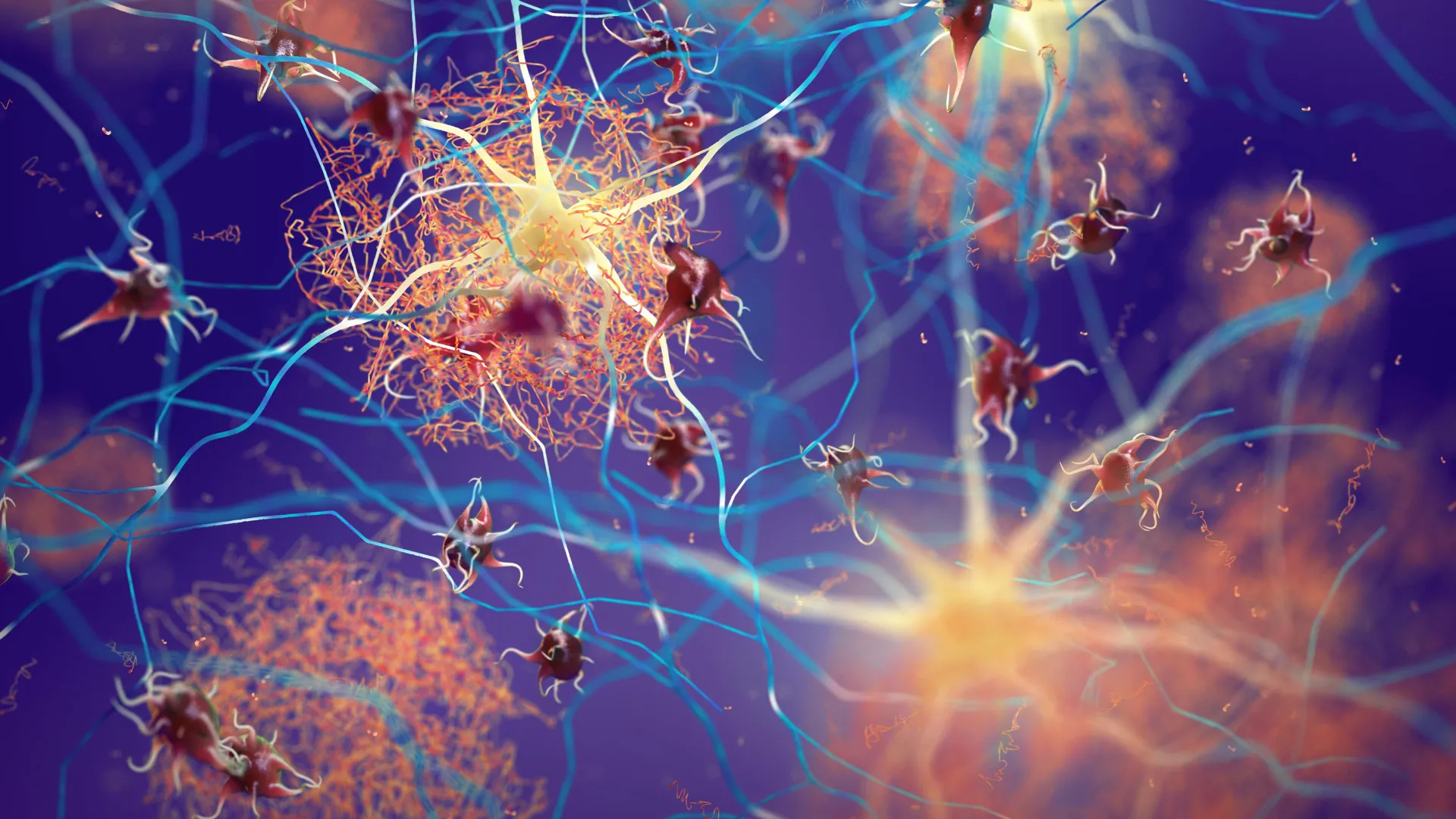
“We saw astrocytes literally gobbling up the plaques,” explained co-author Dr. James Holt, a cell biologist at Stanford Medical School. “Their cleaning activity ramped up dramatically once Sox9 was elevated.”
Background
Alzheimer’s disease, the most common form of dementia, affects more than 55 million people worldwide. It is characterized by the accumulation of amyloid-beta plaques between neurons and tau tangles inside cells. These clumps disrupt communication and trigger inflammation. For decades, treatments have focused on clearing plaques directly, but with limited success and side effects.
Astrocytes, once considered mere support cells, are now known to play active roles in brain maintenance. They help regulate blood flow, provide nutrients, and remove debris. However, in Alzheimer’s, their plaque-clearing function becomes impaired. The new study reveals that Sox9 acts as a master switch that restores and amplifies this natural cleanup mechanism.
What This Means
If these findings translate to humans, it could represent a paradigm shift in Alzheimer’s treatment. Instead of attacking plaques with drugs that often cause brain swelling or bleeding, doctors might one day boost the brain’s own cellular janitors. “We’re essentially giving astrocytes a pep talk so they do their own job better,” said Dr. Tran. The approach also avoids the need for invasive immune-based therapies.
However, caution is warranted. Sox9 is also involved in cell growth and has been linked to certain cancers. Researchers are already working on ways to deliver the protein only to astrocytes, minimizing off-target effects. Human trials are at least three to five years away, but the team is optimistic.
“This is not a cure yet, but it’s a powerful new tool in our arsenal,” said Dr. Harold Phillips, a neurologist at Johns Hopkins not involved in the study. “If we can safely tweak Sox9, we might be able to slow or even reverse early-stage Alzheimer’s.”
Next Steps
The research team plans to test the approach in older mice and in other models of neurodegeneration. They are also exploring small molecules that could increase Sox9 without gene therapy. A startup has already licensed the technology for clinical development.
“Every plaque cleared is a step toward preserving a memory,” concluded Dr. Holt. “We’re determined to take this from the lab bench to the bedside as quickly and safely as possible.”
For more information on the role of astrocytes, see our Background section. To understand how Sox9 works, jump to Key Findings.
Related Articles
- Mastering Coding Agents: The Power of Harness Engineering
- Mars Rover Curiosity Drills at 'Campo Marte' as Psyche Spacecraft Swings By for Gravity Assist
- 10 Breakthroughs with Microsoft Discovery: Redefining R&D with Agentic AI
- AI Agents Get Their Own Secure Desktop: How Amazon WorkSpaces Bridges Legacy Apps and Modern Workflows
- Artemis III Launch Slips to Late 2027 as NASA Rethinks Earth Orbit Mission
- Rejecting Infinity: The Finite Universe According to Doron Zeilberger
- Unearthing the Cambrian: How a Fossil Bonanza Reshapes Our View of Early Animal Life
- 10 Crucial Insights from the Leaked Star Wars: Knights of the Old Republic Remake Cinematic