How NASA's Curiosity Rover Team Freed a Stuck Rock from Its Drill: A Step-by-Step Guide
Introduction
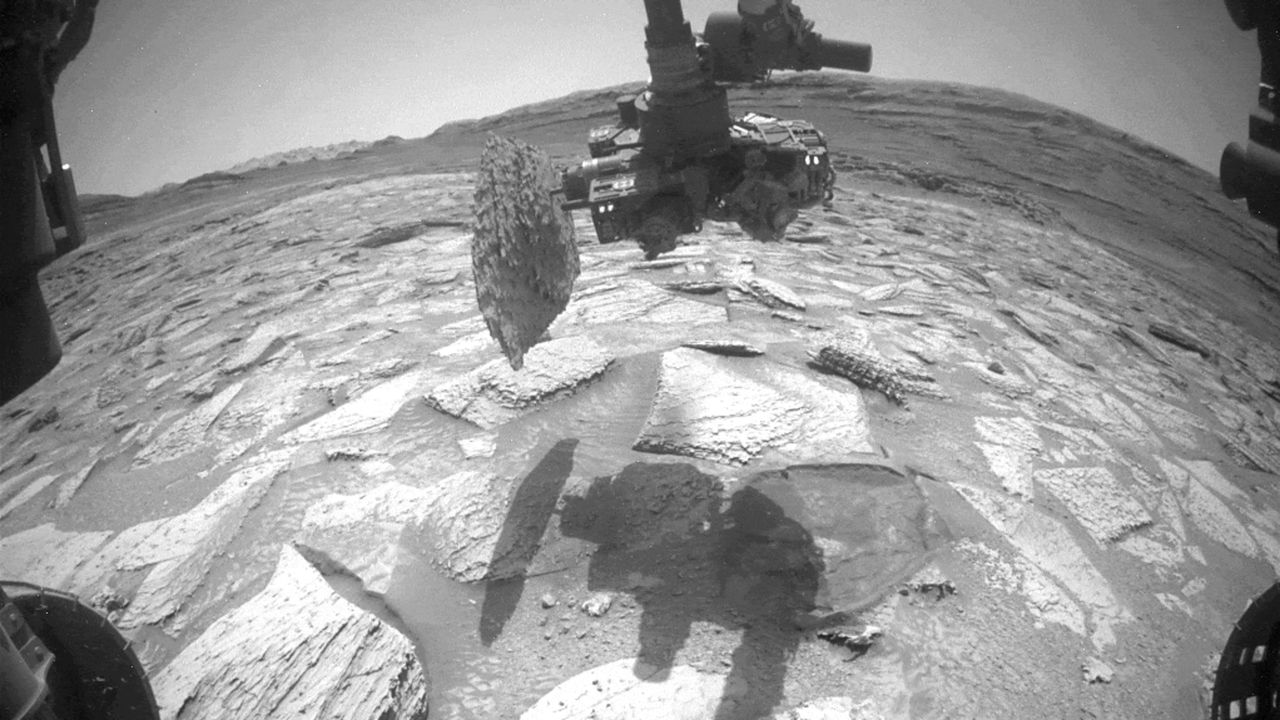
When a rock lodged itself into the drill of NASA's Curiosity rover on Mars, mission scientists faced a delicate challenge. For nearly a week, the rover tilted, rotated, and vibrated its robotic arm in a carefully orchestrated sequence to dislodge the debris. This guide breaks down the precise steps the team used, offering insights into how remote operations handle unexpected obstacles on the Red Planet. Whether you're a space enthusiast or a problem-solving engineer, you'll learn the methodical approach behind this successful extraction.
What You Need
- Curiosity rover equipped with a robotic arm and percussive drill
- Mission control team on Earth with real-time telemetry and imaging
- High-resolution cameras (MAHLI, Mastcam) to inspect the drill bit
- Software tools for simulating arm movements and stress analysis
- Perseverance – the operation took six days of iterative troubleshooting
Step 1: Assess the Situation
Before any action, the team analyzed images from Curiosity's Mars Hand Lens Imager (MAHLI) to confirm the rock was wedged in the drill's groove. They measured its size and shape, and checked if the arm's joints could safely move without exceeding torque limits. This initial diagnosis prevented further damage and informed the removal strategy.
Step 2: Engage the Percussive Mechanism
The first attempt used the drill's built-in percussion – a hammering action that normally helps chip rock samples. The team commanded short, gentle bursts to shake the rock loose. They monitored vibration data and camera feeds after each pulse. Surprisingly, the rock held firm, forcing the team to escalate.
Step 3: Tilt the Arm to Shift Gravity
With percussion alone ineffective, the rover was commanded to tilt its robotic arm at increasing angles – up to 30 degrees from vertical. By altering the direction of gravity relative to the stuck rock, they hoped to encourage it to fall out. The arm's shoulder and elbow joints rotated slowly to avoid sudden stress, and each new angle was photographed for inspection.
Step 4: Rotate the Wrist and Vibrate
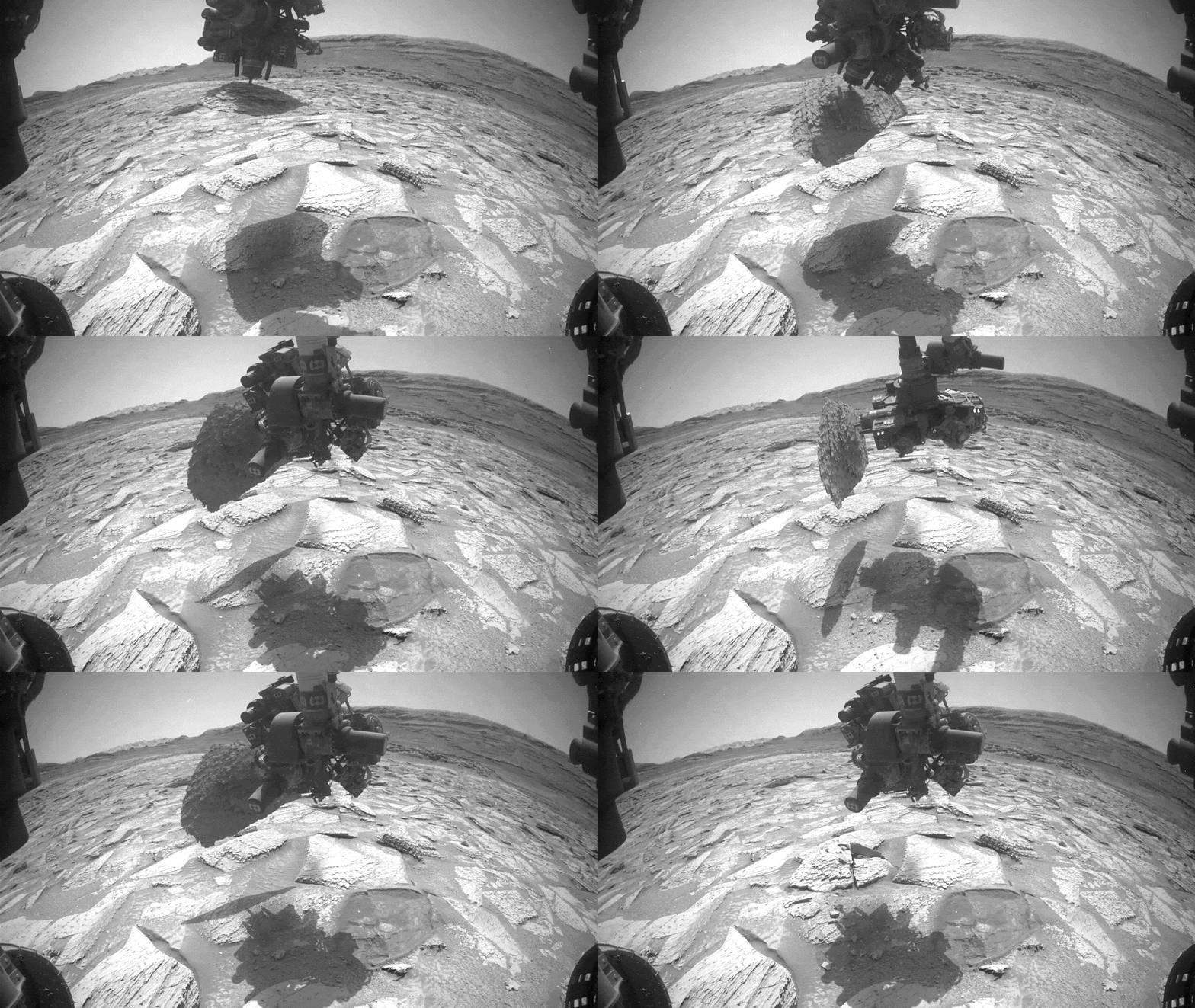
Next, the team used a combination of wrist rotation and controlled vibration. They instructed the arm to rotate 45 degrees clockwise, then hold and vibrate for 10 seconds. This action created a twisting shearing force on the rock. After five such cycles, the rock shifted slightly – visible as a change in its shadow.
Step 5: Increase Vibration Frequency
Emboldened by the small movement, the team increased the vibration frequency from 5 Hz to 20 Hz. They also introduced rapid back-and-forth tilting of the arm – a mini 'jiggling' motion. The rover's power budget was monitored closely; these operations consumed extra battery but remained within safe limits. After two minutes of this, the rock nearly dislodged, hanging by a single edge.
Step 6: Use Combined Movements in Sequence
For the final push, the scientists programmed a multi-step sequence of tilt, rotate, vibrate, and tilt again. The arm first tilted to 20 degrees, then vibrated for 15 seconds, then rotated 90 degrees, and finally tilted back to 10 degrees. This complex motion mimicked a 'shake and twist' maneuver. The rock finally fell away, leaving the drill clear.
Step 7: Verify and Secure the Arm
After the rock was freed, Curiosity took high-resolution images of the drill bit and the area below. The team confirmed no debris remained that could jam future drilling. They then returned the arm to its stowed position to avoid any further collisions. Telemetry showed all joints were healthy, and the rover resumed normal operations.
Tips for Success
- Patience is key: The entire process took six days. Rushing could damage the expensive hardware.
- Monitor data constantly: Watch for torque spikes, temperature changes, or unexpected arm angles.
- Use incremental adjustments: Small, measured moves are safer than large, aggressive ones.
- Simulate first: Test planned movements in software before commanding the rover.
- Have a backup plan: If the rock hadn't dislodged, the team would have attempted a percussive drill sequence at full force – but this risked breaking the bit.
By following these steps, the Curiosity team demonstrated how careful, methodical problem-solving can overcome even the stickiest obstacles on Mars. For more on rover operations, explore our guide on assessing rover arm conditions or using wrist rotation techniques.
Related Articles
- 7 Ways Drone Radar Is Revolutionizing Water Discovery on Mars
- Canada's POET Mission: A New Quest for Earth-Like Worlds
- AI Economy's Critical Juncture: Insights from the Supply Chain Architects
- Lunar Diggers: Electric Excavators Set to Build on the Moon
- How Travel Might Keep You Young: The Science of Slowing Aging Through Exploration
- 10 Key Insights into Ireland's Signing of the Artemis Accords
- How Alibaba's Metis Agent Slashes Unnecessary AI Tool Use by 96% While Boosting Accuracy
- Blast Off Instantly: Capcom’s PRAGMATA Lands on GeForce NOW – No Hardware Required